Zohran Mamdani Booed at NYPD Event as Police Debate Exposes Growing Divide in New York City
The moment lasted less than a minute, but it created a political image that could follow New York City Mayor Zohran Mamdani for much longer. During an NYPD National Night Out Against Crime event on Staten Island, Zohran Mamdani was booed as members of the crowd interrupted his remarks with loud objections, chants, and demands for him to leave the stage. The reaction transformed a community gathering focused on public safety into a highly visible debate about policing, leadership, and public trust.
The incident quickly became a national political discussion because it represented a deeper conflict already shaping New York City politics. For critics, the reaction reflected frustration from residents who believe the mayor has not shown enough support for law enforcement. For supporters, it represented opposition from a specific group of voters who disagree with his approach to criminal justice and public safety.
The confrontation was not simply about a speech being interrupted. It highlighted a long-running question facing major American cities: how can leaders balance police accountability, community reform, and the demand for safer neighborhoods? The answer remains one of the most difficult political challenges of the modern urban era.
A Police Celebration Turned Into a Public Test of Leadership
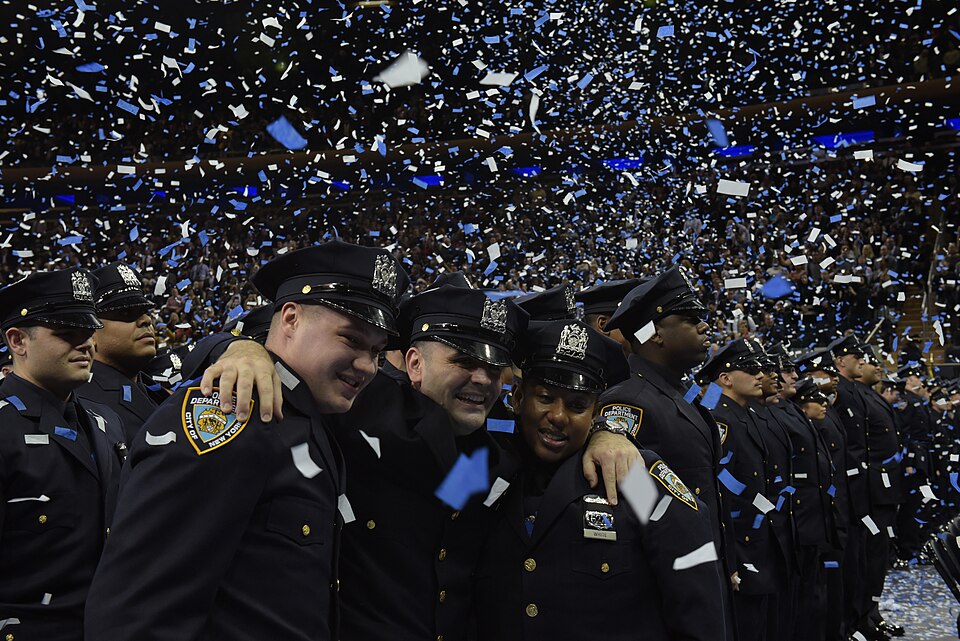
The Staten Island National Night Out Against Crime event was designed as a celebration of cooperation between residents and the New York Police Department. These gatherings traditionally focus on community engagement, family activities, and building relationships between officers and the neighborhoods they serve. Instead, the event became a public test of how residents view the city’s leadership on crime and policing.
Thousands of people attended the gathering, including families, community members, and police supporters. When Mamdani stepped onto the stage, many expected a routine appearance from the city’s top elected official. Instead, the crowd response quickly changed the atmosphere as boos and interruptions made it difficult for the mayor to deliver his remarks.
Mamdani attempted to continue speaking before eventually thanking the audience and leaving the stage. The reaction created a powerful visual moment because it occurred at an event where police support and public safety were the central themes. Political observers noted that few moments create stronger symbolism than an elected leader facing resistance at a gathering organized around law enforcement.
The significance of Zohran Mamdani being booed at an NYPD event comes from the setting itself. A disagreement at a political rally would not have carried the same weight. However, appearing before a crowd gathered to support police and community safety placed the mayor directly in front of some of his strongest critics.
The Staten Island Reaction Reveals a Larger Political Divide
The response from attendees reflected a broader disagreement about the direction of New York City’s public safety policies. For years, debates over policing have divided residents, elected officials, activists, and law enforcement leaders. The Staten Island incident brought those disagreements into a single public moment.
Supporters of stronger police enforcement argue that residents want visible action against crime, disorder, and safety concerns. They believe city leaders must clearly defend officers when they face criticism or physical threats. From this perspective, the crowd reaction represented dissatisfaction with what they see as insufficient support for the NYPD.
Critics of traditional policing approaches argue that safety cannot depend only on enforcement. They support investments in housing, mental health programs, education, and community resources. They believe reforms can create safer neighborhoods while improving relationships between residents and police.
The disagreement surrounding Mamdani reflects a national trend seen in many large cities. From Chicago to Los Angeles, leaders have struggled to address competing expectations from residents who want both effective policing and meaningful reform. New York City’s debate is part of a much larger conversation about the future of urban governance.
Mamdani’s Relationship With Police Becomes a Defining Issue

The controversy surrounding Zohran Mamdani being booed at an NYPD event did not develop in isolation. His relationship with law enforcement has been debated since his rise in politics. Critics have repeatedly questioned whether his previous positions on police reform align with the concerns of residents who prioritize traditional public safety measures.
During his political career, Mamdani faced criticism over his support for changes to policing policies. Opponents argued that some reform proposals could limit police effectiveness at a time when cities were already struggling with concerns about crime and public disorder.
Supporters of Mamdani have argued that criticism of his policies often ignores the broader goals behind reform efforts. They say improving public safety requires addressing root causes of crime rather than relying only on police responses after problems occur.
However, political leadership often depends on public perception as much as policy details. A mayor may explain the complexity of crime prevention, but many residents judge leadership through personal experiences in their neighborhoods. Concerns about safety, street conditions, and emergency response times often shape political opinions more than policy documents.
Public Safety Concerns Continue to Shape New York Politics
Crime and public safety remain among the most important issues for New York voters. National surveys on urban priorities consistently show that residents place neighborhood safety near the top of their concerns, especially after periods of increased attention on crime trends.
New York City has experienced major changes in crime patterns over several decades. The city moved from the high-crime years of the 1970s and 1980s into a period of significant reductions in violent crime. Those improvements became closely associated with policing strategies, economic changes, community efforts, and broader social factors.
The debate today is not simply about whether safety matters. Nearly all political groups agree that residents deserve secure neighborhoods. The disagreement centers on how cities should achieve that goal and what role police departments should play.
The reaction during the Staten Island event demonstrated how personal public safety debates can become. For many residents, discussions about policing are not abstract political arguments. They connect directly to daily experiences involving transportation, businesses, schools, and neighborhood life.
Why Staten Island Became the Center of the Backlash
The location of the event added another layer of significance. Staten Island has historically maintained a stronger connection with law enforcement compared with some other parts of New York City. Many residents in the borough have traditionally expressed strong support for police officers and tougher approaches to crime.
That political culture helped shape the atmosphere surrounding Mamdani’s appearance. A message that might receive a different response in another part of the city faced a much more skeptical audience on Staten Island.
The borough has often played an important role in New York’s political debates because of its distinct views on government, public safety, and community identity. Political candidates frequently recognize that winning trust among Staten Island voters requires addressing concerns about crime and quality-of-life issues.
The reaction at the NYPD event showed that geography continues to influence political conversations. New York City may share one government structure, but different neighborhoods often have very different expectations from their leaders.
Viral Moment Creates Lasting Political Challenges for City Hall
In modern politics, a brief public confrontation can become a defining image. The footage of Mamdani facing a hostile crowd spread quickly across social media platforms, where supporters and critics interpreted the moment through different political lenses.
Opponents argued that the event revealed a disconnect between the mayor and communities concerned about crime. They described the reaction as evidence that some residents do not believe City Hall understands their priorities.
Supporters responded that a loud crowd does not represent the entire city. They argued that political leaders often face resistance when challenging established ideas and that a single event should not define an administration.
Despite those arguments, political images can have lasting consequences. A short video can influence public perception, shape media coverage, and become part of future campaign debates. The challenge for Mamdani is preventing one controversial moment from overshadowing his broader agenda.
Previous NYPD Controversies Add Pressure on the Mayor
The Staten Island incident also renewed attention on previous disagreements involving Mamdani and police issues. One controversy frequently mentioned by critics involved an incident in Washington Square Park where officers were reportedly injured during a confrontation involving a large crowd.
Critics argued that Mamdani’s response did not strongly enough condemn actions against police officers. They said elected leaders have a responsibility to defend officers when they face threats or attacks.
Supporters viewed the situation differently. They argued that public officials must consider the full context of incidents and avoid responses that increase tensions between communities and law enforcement.
These disagreements reveal why policing remains such a sensitive political issue. Public safety debates often involve competing values, including accountability, fairness, enforcement, and community trust. Leaders must navigate those tensions while making decisions that affect millions of residents.
The Future Relationship Between City Hall and the NYPD Remains Uncertain
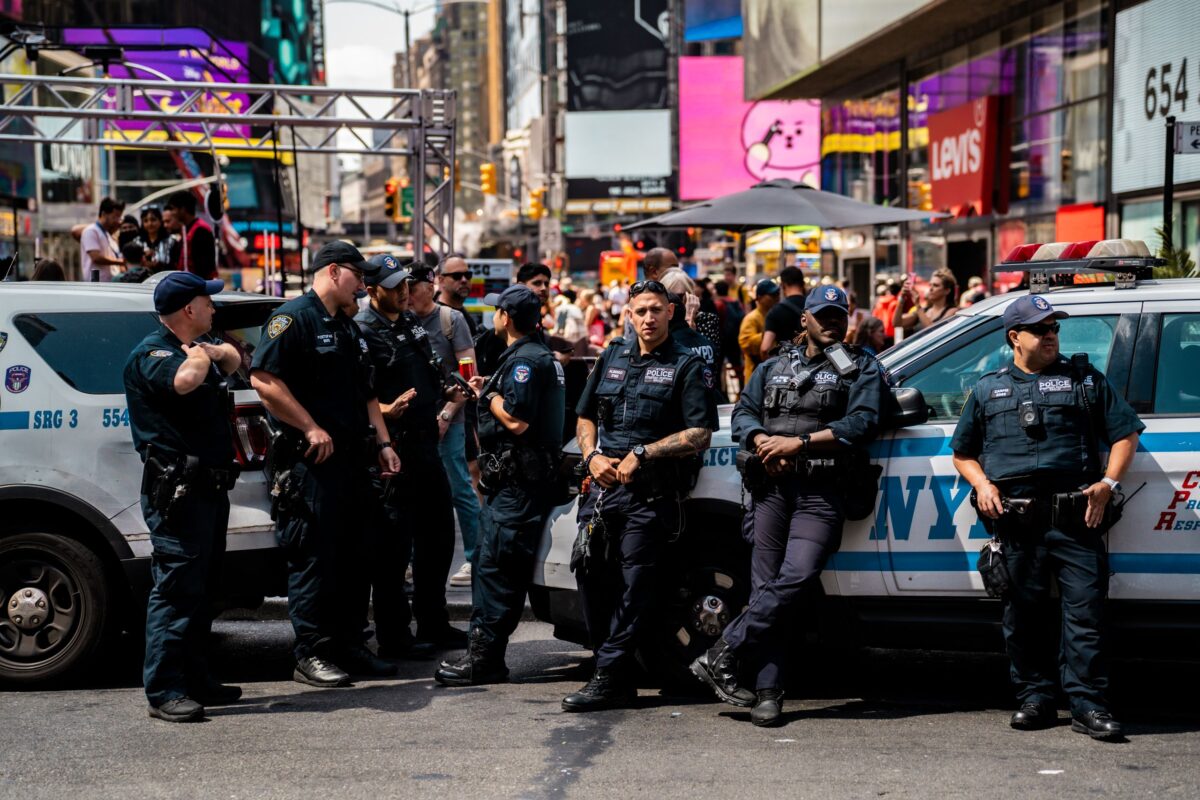
The aftermath of Zohran Mamdani being booed at an NYPD event raises important questions about the future relationship between the mayor’s office and the police department. Maintaining cooperation between elected leaders and law enforcement is essential for any major city facing complex safety challenges.
Mamdani now faces the difficult task of communicating with residents who disagree with his approach while continuing to pursue the policies that define his political identity. The challenge is not only developing policies but also building confidence among communities that remain skeptical.
The NYPD will continue to play a central role in New York City’s future. Questions about staffing, budgets, crime prevention strategies, and police accountability will remain major political issues.
The Staten Island event showed that public trust cannot be created through speeches alone. It develops through consistent actions, communication, and leaders’ ability to address concerns from communities with different experiences and expectations.
A Single Moment Reflects a Much Bigger Debate About New York’s Future
The reaction at the Staten Island police celebration was more than a disrupted appearance. It became a symbol of the broader struggle over what public safety should look like in America’s largest city.
For critics, Zohran Mamdani booed at the NYPD event represents a warning sign that many residents feel disconnected from the mayor’s vision for policing. For supporters, it represents resistance to a changing political direction that challenges traditional approaches.
The reality is that New York City’s future will likely depend on finding a balance between competing demands. Residents want safe streets, effective emergency response, and accountability from public institutions. Achieving all three remains one of the hardest challenges facing city leaders.
The question now is whether Mamdani can turn a moment of public rejection into an opportunity to rebuild trust, or whether the Staten Island backlash will become an early symbol of a deeper divide between City Hall and the communities it serves.