America’s Transformer Shortage Is Exposing the Hidden Crisis Behind the AI Revolution
The next great American technology race may not be won inside a software laboratory. It may be decided inside factories producing massive machines that most people never see. The growing transformer shortage is revealing a deeper weakness in the infrastructure supporting America’s artificial intelligence boom, manufacturing revival and electrification push. The country wants to build the future, but the machines required to power that future are becoming harder to find.
For decades, America viewed electricity as a solved problem. The lights stayed on, businesses expanded, and consumers rarely thought about the complicated system operating behind every outlet. That confidence allowed critical manufacturing capacity, supply chains and skilled labor pipelines to weaken without attracting much attention.
Now the country faces a difficult reality. Electricity demand is rising faster than expected, but the industrial system responsible for expanding the grid cannot respond quickly enough. The transformer shortage has become more than an equipment problem because it exposes decades of underinvestment in the physical foundation of the American economy.
The challenge is not simply that the United States needs more transformers. The deeper issue is that America needs the factories, materials, engineers and skilled workers required to produce them. Without those foundations, even the most advanced technologies remain dependent on an aging and vulnerable electrical system.
The calm years that allowed America’s power backbone to weaken
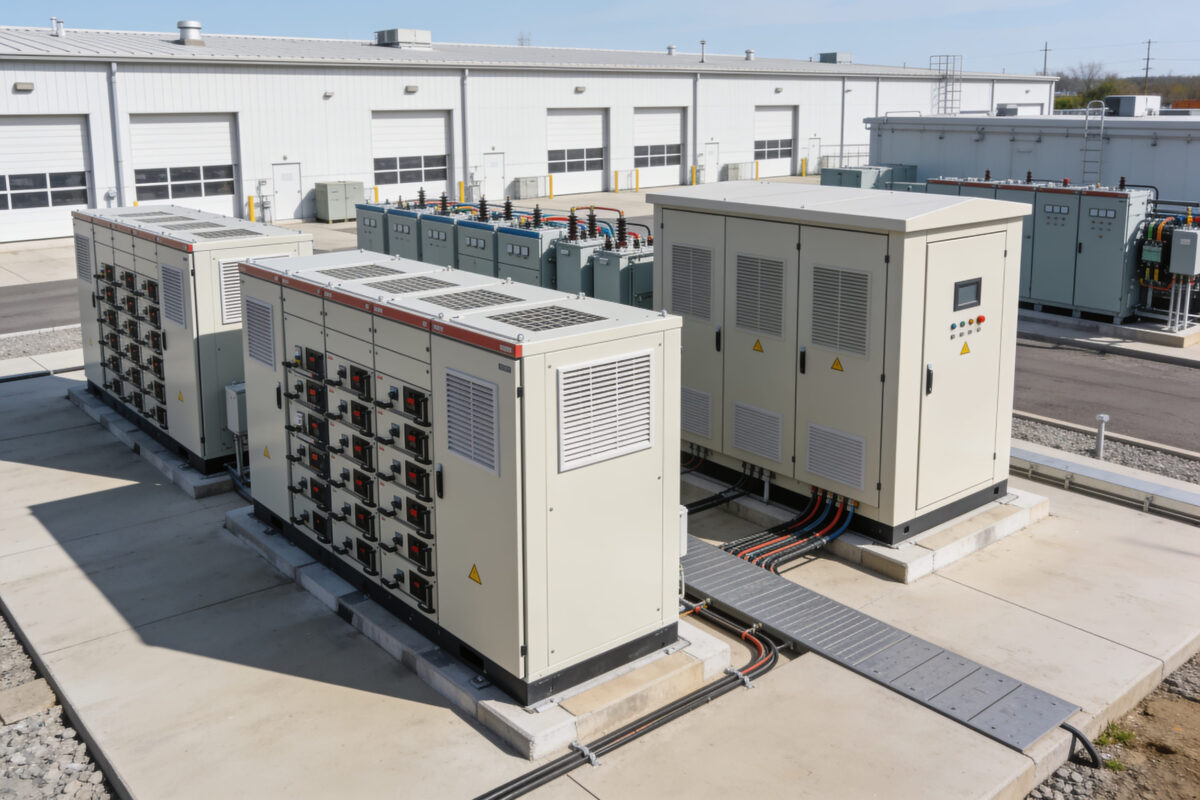
The transformer shortage began developing during a period when electricity demand appeared unusually predictable. For much of the 2000s and 2010s, electricity consumption in the United States grew slowly because efficiency improvements reduced the impact of population growth and economic expansion. New appliances, better industrial equipment, and improved lighting technologies helped businesses and households use less power. Those changes created savings, but they also reduced pressure to expand the industrial capacity behind the electrical system.
A stable electricity market changed how companies approached investment decisions. Manufacturers had fewer reasons to build new facilities when existing production appeared sufficient. Utilities focused on maintaining current systems instead of preparing for sudden demand increases. Training programs also became smaller because companies did not expect large numbers of new workers to enter specialized electrical industries.
This created a hidden weakness inside a system that appeared successful. The country maintained reliable electricity, so many assumed the infrastructure behind it remained equally strong. Aging equipment continued operating, experienced workers remained in place, and supply chains continued functioning without major disruption. The warning signs were present, but they developed slowly enough that they were easy to ignore.
The arrival of new electricity demand changed everything. Artificial intelligence, semiconductor manufacturing, electric vehicles and industrial expansion created pressure that the old system was never designed to handle. The United States suddenly needed more electrical capacity after years of planning around limited growth. The transformer shortage became the clearest sign that preparation had not kept pace with the economic change.
America’s AI ambitions are running into an industrial reality
The artificial intelligence boom has transformed electricity demand expectations across the United States. Large technology companies are building enormous data centers that require continuous power to operate advanced computing systems. These facilities consume electricity at levels far beyond traditional office buildings and commercial properties. The growth of AI has turned electricity infrastructure into a major factor in technology competition.
The problem is that digital innovation moves much faster than industrial construction. A company can develop a new artificial intelligence system within months, but a utility upgrade can require years of planning and investment. A data center can receive billions of dollars in funding, yet still wait for the grid equipment needed to operate. The transformer shortage has created a gap between technological ambition and physical capability.
Transformers sit at the center of this challenge because they allow electricity to travel efficiently across the grid. They increase voltage for long-distance transmission and reduce voltage before power reaches customers. Without enough transformers, electricity generation cannot easily reach new factories, communities, or technology facilities. The entire digital economy depends on equipment that rarely receives public attention.
The situation creates an uncomfortable contradiction for America. The country wants to lead the world in artificial intelligence while facing shortages in basic industrial equipment. The same economy building advanced computer systems still depends on factories producing decades-old electrical technology. The transformer shortage shows that future industries still require traditional manufacturing strength.
The machines behind modern life are becoming difficult to replace

Large power transformers are among the most important pieces of infrastructure in the modern economy. They operate quietly inside substations and industrial facilities, often unnoticed by the public. However, they determine whether electricity can move from generation sources to the places that need power. A failure in transformer supply can delay entire projects and slow economic expansion.
Unlike many industrial products, transformers are not simple items that companies can quickly replace. Large units are often designed according to specific electrical requirements, locations, and operating conditions. Manufacturers must consider voltage levels, system demands and long-term reliability before construction begins. This complexity makes the transformer shortage much harder to solve than a typical manufacturing problem.
The production process requires specialized knowledge and precision. Workers must assemble electrical components, manage insulation systems, and test equipment capable of handling enormous amounts of energy. Manufacturers depend on experienced engineers and technicians who understand details developed through years of practice. Replacing that expertise requires time, not just investment.
Transportation also creates additional challenges. Some large transformers weigh hundreds of tons and require specialized equipment to move safely. Roads, bridges and delivery routes must be carefully evaluated before installation can happen. The transformer shortage therefore involves manufacturing, logistics and workforce challenges at the same time.
America’s reliance on foreign supply chains created a dangerous dependency
One of the most significant concerns surrounding the transformer shortage is America’s dependence on international suppliers. Over the years, global manufacturing networks allowed utilities to purchase specialized equipment from producers around the world. This approach lowered costs and improved efficiency during periods of stable demand. However, it created vulnerability when demand increased quickly.
The United States is not the only country expanding its electrical infrastructure. Countries around the world are investing in renewable energy, industrial development, and digital technologies that require similar equipment. Global competition for transformers and related components has increased. A supply chain that once appeared reliable now faces pressure from multiple directions.
The problem extends beyond finished transformers. These machines depend on specialized materials and components that also face supply limitations. Electrical steel, copper, and other critical materials require advanced production capabilities that cannot be expanded instantly. The transformer shortage is therefore connected to a much larger industrial supply chain challenge.
America’s challenge is not simply building more transformers. It is rebuilding the ecosystem required to produce them consistently. That ecosystem includes factories, suppliers, transportation networks and technical expertise. Without those pieces working together, increased demand will continue exposing weaknesses.
The missing ingredient may be the workers who know how to build the grid
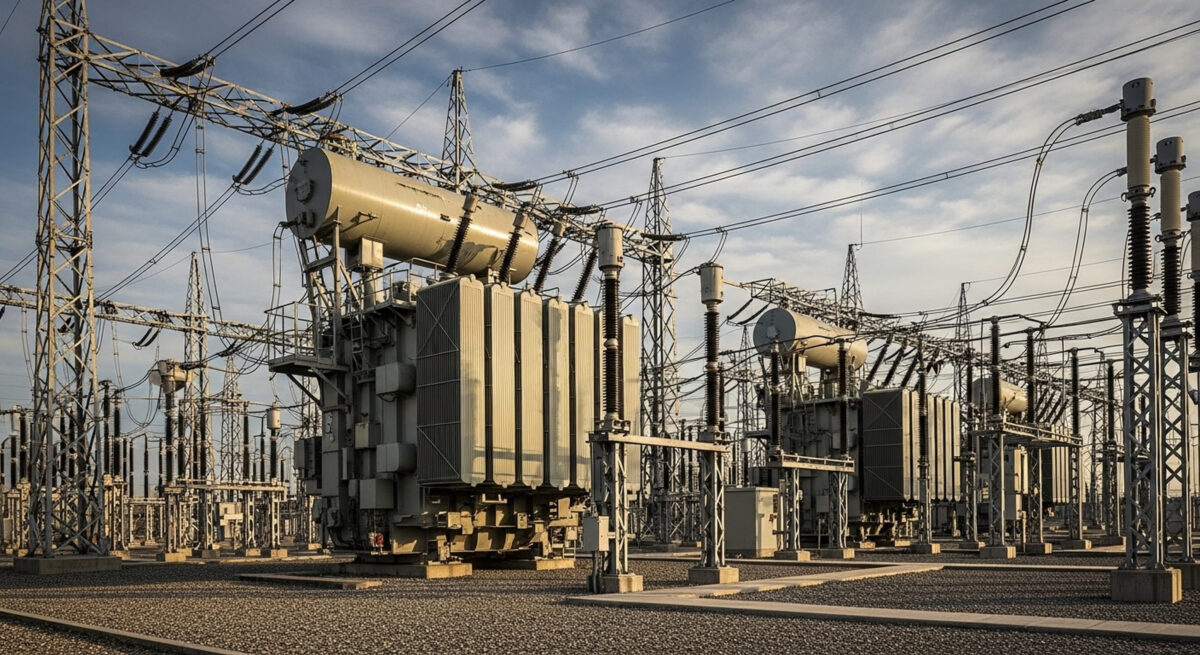
The transformer shortage is often discussed as a manufacturing issue, but the workforce challenge may be even more difficult. Building and maintaining electrical infrastructure requires engineers, technicians, electricians, and specialized manufacturing workers. Many of these careers require years of hands-on experience before workers become fully qualified. The country cannot solve the shortage without rebuilding the talent pipeline.
For decades, many young Americans moved toward technology, finance and professional careers. Skilled industrial trades often received less attention despite remaining essential to economic growth. This created a widening gap between retiring experts and younger workers entering technical fields. The transformer shortage has made that gap impossible to ignore.
Experienced workers carry knowledge that cannot easily be transferred through manuals or short training programs. They understand manufacturing processes, equipment behavior, and technical problems that develop only through years of exposure. When these workers retire, companies lose expertise that took decades to create. Replacing that knowledge requires long-term workforce planning.
The solution requires more than hiring campaigns. America needs stronger apprenticeship programs, technical education, and partnerships between manufacturers and schools. The next generation of electrical workers must be trained before shortages become severe. The transformer shortage demonstrates that human skills are just as important as physical equipment.
The electrical steel problem reveals a deeper industrial weakness
The transformer shortage begins long before a finished transformer leaves a factory. One of the most important materials involved in transformer production is grain-oriented electrical steel. This specialized material improves efficiency by controlling how electricity moves through transformer cores. Producing it requires advanced manufacturing capabilities and strict quality standards.
Unlike ordinary steel, electrical steel depends on specialized industrial knowledge. Only a limited number of companies around the world produce it at the scale required for modern transformer manufacturing. That concentration creates another vulnerability in the supply chain. A shortage of this material can slow transformer production even when factories have available capacity.
This problem shows why rebuilding the transformer supply chain requires a broader approach. Adding factories alone will not solve the challenge if manufacturers cannot access essential materials. Every stage of production depends on the stage before it. Weakness in one area can affect the entire system.
The transformer shortage reflects a larger lesson about modern economies. Advanced industries depend on networks of suppliers that often remain invisible until something fails. America’s industrial strength depends not only on final products but also on the hidden systems that create them.
The power grid could become America’s unexpected economic limit
The transformer shortage is increasingly becoming an economic issue rather than only an energy issue. Every major industry expansion depends on reliable electricity. Semiconductor factories, artificial intelligence facilities, and manufacturing plants all require strong grid connections. Without enough electrical infrastructure, economic growth can slow before projects even begin.
The United States is entering a period of industrial competition where access to electricity may influence investment decisions. Companies need confidence that locations can provide reliable power before committing billions of dollars. Regions with stronger grid infrastructure may attract more economic activity. Areas facing electrical constraints may struggle to compete.
This changes how America should think about infrastructure. Roads, bridges, and ports have traditionally received attention because their importance is visible. Electricity systems often operate quietly in the background. The transformer shortage shows that hidden infrastructure can become just as important to economic success.
The challenge is balancing immediate needs with long-term planning. Utilities must replace aging equipment while supporting new demand. Manufacturers must expand production while training workers. Policymakers must encourage investment without creating unnecessary delays.
A national security concern hiding inside America’s energy system

The transformer shortage has also become a national security concern because modern society depends on electricity. Hospitals, military facilities, communication networks and financial systems all require reliable power. A country that cannot quickly produce or replace critical grid equipment faces greater risks during emergencies.
This concern has changed how policymakers view electrical infrastructure. Transformers and related equipment are no longer seen as ordinary utility purchases. They are increasingly viewed as strategic assets connected to economic stability and national resilience.
Recent global supply chain disruptions demonstrated how quickly shortages can affect essential industries. Products that once seemed easy to obtain became difficult to source when demand changed. The transformer shortage follows a similar pattern because the country underestimated the importance of maintaining domestic capability.
Strengthening the electrical supply chain will require cooperation between government agencies, utilities and manufacturers. No single organization can rebuild the system alone. The challenge requires coordinated investment in production, materials and workforce development.
America must rebuild the foundation beneath its future
The transformer shortage will not disappear through one policy decision or one new factory. Solving the problem requires rebuilding an entire industrial ecosystem. America needs more manufacturing capacity, stronger material supply chains, and a larger workforce capable of supporting the electrical industry.
The country also needs to rethink how it values infrastructure. The machines powering the economy deserve the same attention as the technologies they support. Artificial intelligence may represent the future, but it still depends on transformers, transmission lines, and skilled workers.
For decades, America benefited from a system where critical equipment was available when needed. That system allowed the country to focus on innovation while assuming industrial capacity would remain accessible. The transformer shortage has challenged that assumption.
The future will depend on whether America can reconnect its technological ambitions with its industrial foundation. A nation cannot build a new economy on infrastructure it has neglected. The machines behind progress may not be glamorous, but they will determine how far that progress can go.