Are You Curious Why Your Heart Suddenly Races? Here Are 19 Reasons Why
Are you curious why your heart suddenly rises, even when you are not running, exercising, or doing anything intense? A fast heartbeat can come from medical causes like anemia, thyroid problems, medication side effects, caffeine, or heart conditions, but it can also come from emotional and psychological triggers like stress, anxiety, panic, excitement, embarrassment, jealousy, overthinking, or even seeing someone you love.
Sometimes the heart is not warning you of danger. Sometimes it is simply reacting to pressure, attraction, fear, excitement, illness, or the body’s need for more oxygen. That is why a racing pulse should be carefully understood, as the cause may be physical, emotional, or both.
Stress Can Send Your Heart Racing

Stress is one of the most common reasons your heart rate suddenly feels high. When your body reacts to pressure, fear, anger, worry, or emotional shock, it releases adrenaline. That rush prepares the body to respond quickly, so the heart begins pumping harder and faster.
This can happen during an argument, a difficult conversation, financial pressure, work stress, or a frightening moment. The heartbeat may feel loud in the chest, neck, or throat. In many cases, the heart is not the real problem. It is simply responding to emotional pressure.
An Overactive Thyroid Can Speed Up the Body
An overactive thyroid can make your heart beat faster than normal because the body has too much thyroid hormone. Thyroid hormones help control how fast the body works, so when they rise too high, the whole system can feel like it is running on high speed.
This type of fast heartbeat may happen even when you are resting. It can also come with sweating, weight changes, shakiness, anxiety, heat sensitivity, or trouble sleeping. When the thyroid is the cause, treating the thyroid problem can help bring the heart rate back under control.
Anemia Can Make the Heart Work Too Hard
Anemia can raise your heart rate because the body does not have enough healthy red blood cells to carry oxygen properly. When the oxygen supply drops, the heart tries to compensate by pumping faster.
This may make a person feel tired, weak, dizzy, or short of breath. The heart is not racing for fun. It is trying to move oxygen-rich blood to the organs as quickly as possible. A fast pulse with constant fatigue should never be ignored.
Some Medications Can Trigger a Fast Heartbeat
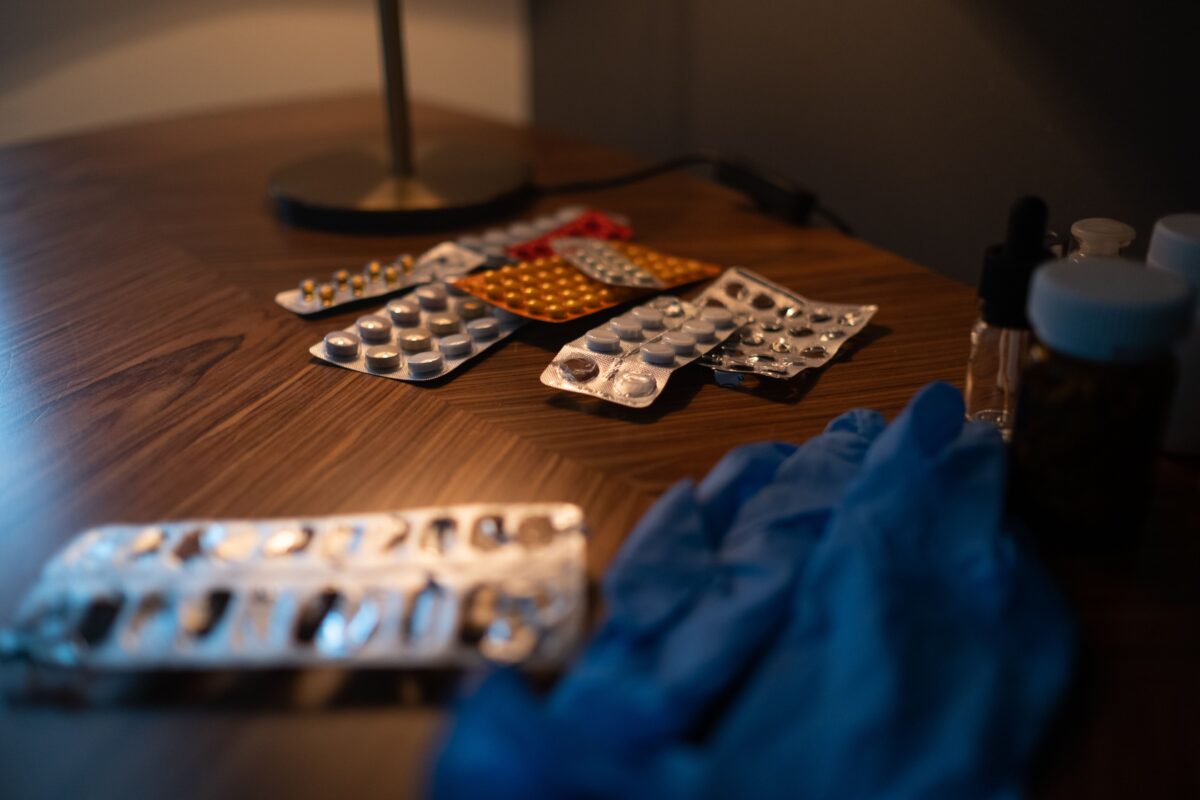
Certain medications can increase heart rate as a side effect. These may include some medicines used for asthma, anxiety, colds, depression, and high blood pressure. Some stimulants, decongestants, and supplements can also raise the pulse.
This is especially important if the fast heartbeat starts after beginning a new medication or changing a dose. The best step is to speak with a doctor instead of stopping the medicine on your own. A safer dose or a different treatment may solve the problem.
Caffeine, Cigarettes, Alcohol, and Drugs Can Stimulate the Heart
Caffeine, cigarettes, heavy alcohol use, and certain illegal drugs can push the heart into a faster rhythm. Coffee, energy drinks, nicotine, and stimulant products may make the heartbeat feel jumpy, strong, or uncomfortable.
This type of high heart rate often appears shortly after using the substance. If your pulse keeps rising after coffee, smoking, drinking, or drug use, the body may be telling you it is overstimulated. Reducing or avoiding the trigger may help calm the heart.
Hard Exercise Naturally Raises Heart Rate
Physical activity raises heart rate because the muscles need more oxygen-rich blood. Running, lifting weights, climbing stairs, dancing, or pushing the body harder than usual will naturally make the heart beat faster.
This is usually normal during activity. The concern arises when the heart rate remains elevated for too long after stopping, rises too quickly, or is accompanied by chest pain, dizziness, or shortness of breath. A healthy heart should speed up during effort and gradually calm down afterward.
Heart Conditions Can Also Cause a Fast Pulse
Some heart conditions can cause the heart to beat faster than usual. This may include heart rhythm problems, heart failure, heart valve problems, coronary artery disease, congenital heart conditions, or scar tissue after heart surgery.
When the heart is not pumping efficiently, it may beat faster to move blood around the body. This can make the person feel weak, breathless, tired, dizzy, or uncomfortable in the chest. Anyone with a known heart condition should take a new, fast heartbeat seriously.
Seeing a Crush or Lover Can Make the Heart Race

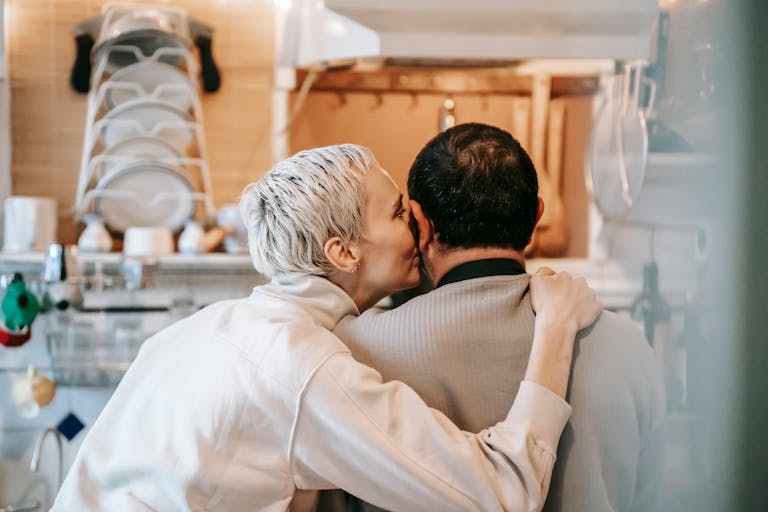
Love can turn the body into a live wire. Seeing a crush, meeting a lover, receiving a romantic message, or even thinking about someone special can make the heart beat faster. The body reads attraction as excitement, nervousness, desire, and emotional intensity.
This is usually not a medical problem. It is the nervous system reacting to romantic energy. The chest may feel warm, the hands may shake, and the heartbeat may feel louder than usual. That is the classic butterfly feeling, only this time the heart joins the show.
Romantic Anticipation Can Trigger a Fast Pulse
Sometimes the heart races before anything even happens. Waiting for a date, expecting a call, preparing to confess feelings, or hoping for a reply from someone special can raise heart rate. The mind starts imagining the moment before it arrives.
This is because anticipation mixes hope, fear, desire, and uncertainty. The heart responds to that emotional suspense. Even when you are sitting still, your thoughts may be running ahead, and your heart may follow.
Anxiety Can Make the Heart Feel Out of Control
Anxiety can raise heart rate because the brain senses danger, pressure, rejection, embarrassment, or uncertainty. The body then shifts into alert mode, and the heart speeds up as if you need to escape or defend yourself.
This can happen during public speaking, job interviews, exams, social pressure, relationship problems, or difficult decisions. The racing heartbeat can feel frightening, which may make the anxiety worse. That fear can create a cycle where the pulse rises even higher.
Panic Can Cause a Sudden Racing Heart
A panic attack can make the heart feel like it has suddenly lost control. The pulse may rise quickly, breathing may become shallow, and the body may feel as if it is in emergency mode. Even when there is no real danger, the brain can send powerful alarm signals.
This is why panic can feel so intense. The body is not pretending. It is genuinely reacting to fear and overload. If panic attacks happen often, they should be discussed with a health professional because support can help break the cycle.
Embarrassment Can Push the Pulse Up
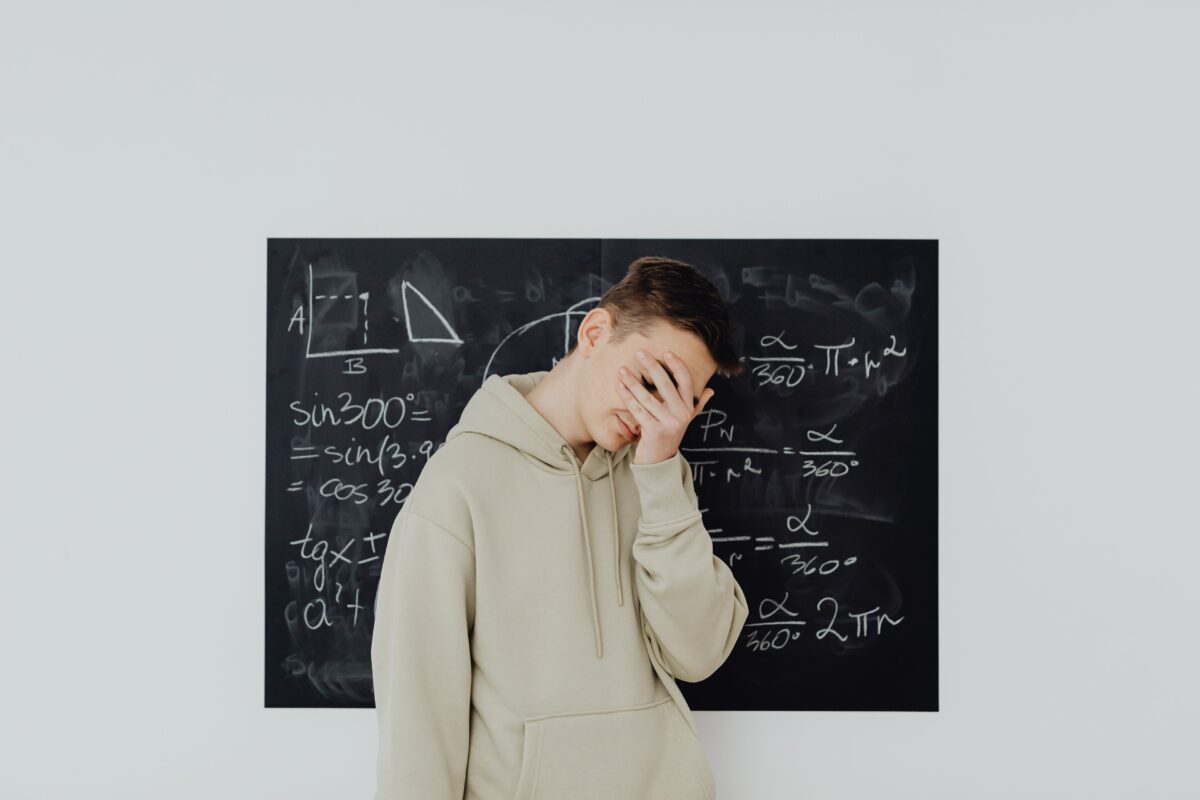
Embarrassment can also make the heart beat faster, especially when someone feels exposed, judged, teased, or caught off guard. A public mistake, an awkward romantic moment, a sudden compliment, or unwanted attention can make the pulse jump.
The body reacts because embarrassment feels socially risky. The face may get hot, the chest may tighten, and the heart may pound. Even after the moment passes, replaying it in the mind can keep the body stirred up.
Excitement Can Raise Heart Rate Like Stress Does
Not every fast heartbeat comes from fear or illness. Excitement can create the same physical rush. Good news, a surprise visit, a romantic reunion, a big opportunity, a celebration, or a dream finally coming true can make the heart race.
The body does not always separate good intensity from bad intensity. It simply feels the emotional charge and responds. That is why joy, shock, attraction, and nervous laughter can all make the heart beat faster.
Jealousy and Insecurity Can Speed Up the Heart
Jealousy can raise heart rate because it combines fear, comparison, attachment, and emotional threat. Seeing a lover give attention to someone else, waiting too long for a reply, or feeling unsure about a relationship can make the body react strongly.
The heart may race because the mind senses potential rejection. This does not mean the heart is weak. It means the emotional system feels activated. The body may respond with tension, heat, restlessness, and a fast pulse.
Conflict With Someone You Love Can Affect Your Heartbeat
Arguments with a partner, close friend, or family member can make the heart beat faster because emotional conflict feels personal. When the relationship matters, the body reacts more strongly.
A disagreement with a stranger may feel annoying, but a disagreement with someone you love can feel physically heavy. The heart races because the stakes feel higher. The body is trying to manage anger, fear, sadness, attachment, and hurt at the same time.
Overthinking Can Keep the Heart Elevated
Overthinking can quietly raise heart rate, especially at night. Replaying conversations, imagining worst-case scenarios, analyzing every text, or worrying about rejection can keep the nervous system active.
This kind of fast heartbeat can feel confusing because there may be no physical trigger. You may not be exercising, drinking caffeine, or feeling sick. The mind is doing the running, and the heart is following.
Fear of Rejection Can Make the Pulse Spike
Fear of rejection can make the heart race because it touches a deeply sensitive part of human emotion. Asking someone out, sending a vulnerable message, apologizing, or waiting for an answer can make the body feel exposed.
The heart speeds up because the mind sees emotional risk. Even before anything bad happens, the body prepares for possible disappointment. That is why romantic courage often comes with sweaty palms, shaky breathing, and a loud heartbeat.
Emotional Memories Can Affect Heart Rate
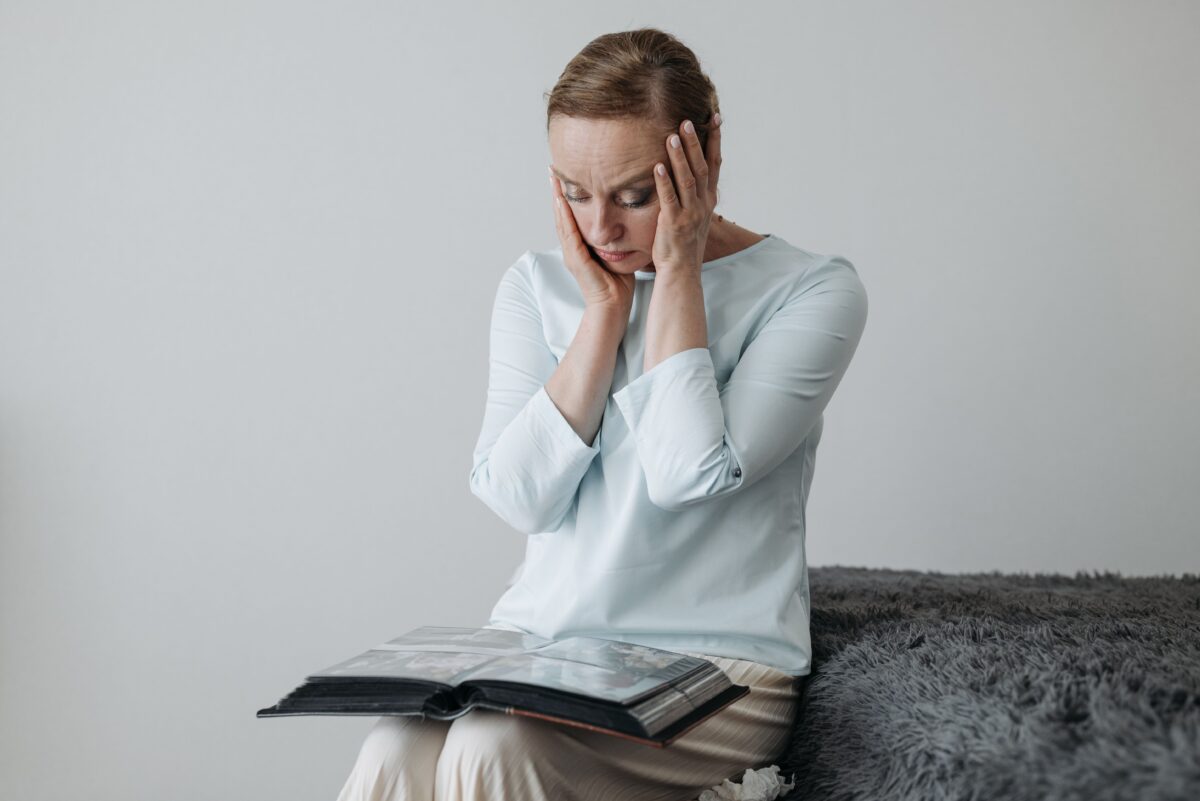
A memory, song, photo, place, smell, or old message can bring back strong emotions. If the memory is tied to love, heartbreak, grief, fear, shame, or excitement, the body may react as if the moment is happening again.
This is why the heart can race at the mere sight of an old picture or the sound of a familiar song. The brain connects the trigger to a powerful emotional experience. Sometimes the body remembers before the mind fully understands why.
Public Attention Can Make the Heart Beat Faster
Being watched, praised, criticized, or asked to perform can raise heart rate. This may happen during presentations, live videos, dates, interviews, competitions, or social events.
Even confident people can feel this. A fast pulse before stepping into the spotlight does not always mean fear. It may simply mean the body understands that the moment matters and is preparing for it.