7 Food Opinions That Can Divide Baby Boomers and Millennials
Put a Baby Boomer and a Millennial in the same kitchen, and dinner can turn into a friendly debate before anyone has picked up a spatula. Is a shortcut ingredient perfectly acceptable? Should a family recipe ever be changed? And does a proper breakfast really need anything beyond the classics?
Of course, age does not determine someone’s taste, and plenty of families will disagree with these comparisons. As Pew Research Center cautions about generational labels, these categories can encourage stereotypes and oversimplification.
Still, different cooking routines, food discoveries, and mealtime traditions offer plenty of opportunities for entertaining kitchen arguments. Here are seven food opinions worth debating, without declaring either generation the winner.
Homemade Meals vs. Convenience Foods
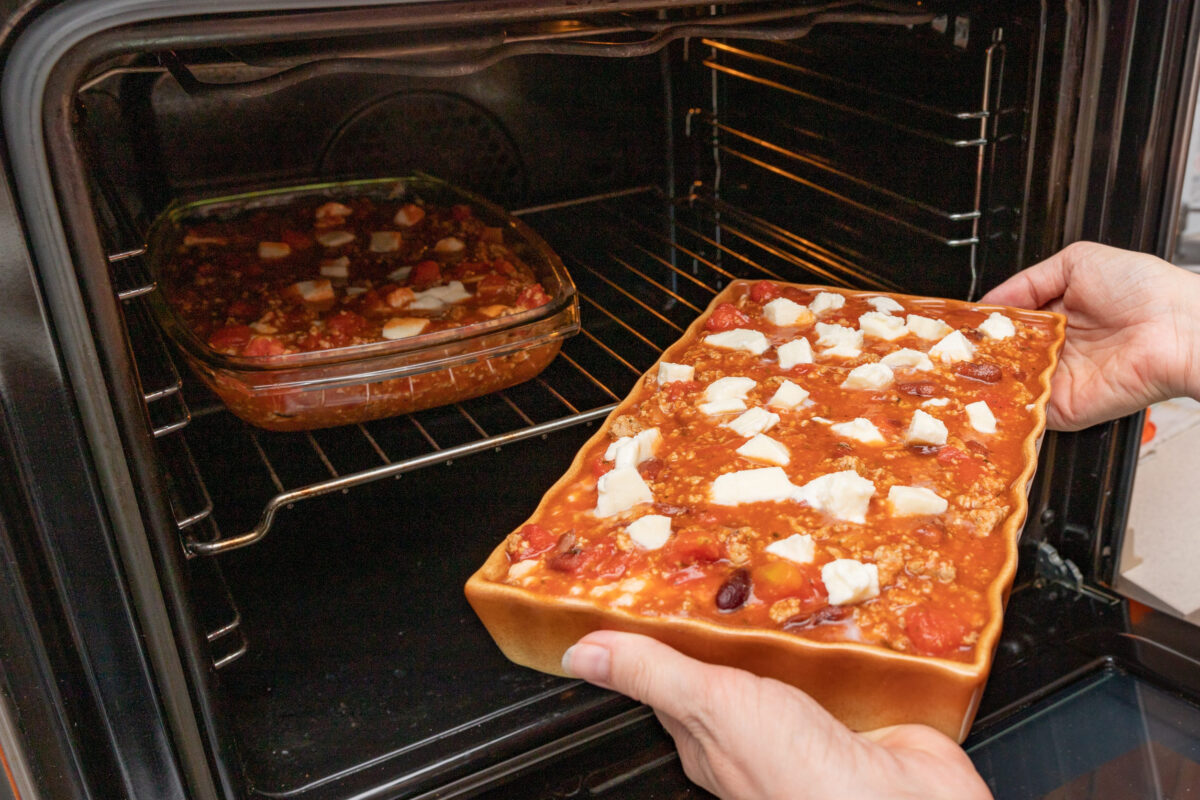
For some home cooks, preparing dinner means starting with basic ingredients and building a meal from scratch. For others, using jarred sauce, frozen vegetables, or a ready-made side dish is a sensible way to get dinner on the table without spending the entire evening in the kitchen.
There is some evidence of a generational difference in cooking routines. The Institute of Food Technologists reported in November 2025 that FMI, The Food Industry Association, data put Millennials at an average of 4.6 home-cooked dinners per week, compared with 5.5 for Baby Boomers. Its report also described younger meal preparers as more likely to favor easy-preparation options.
That does not mean Millennials cannot cook or Boomers reject convenience. A homemade meal can include prepared ingredients, and a scratch cook can appreciate a shortcut on a busy evening. The real debate is how much work dinner should require.
Family Recipes vs. Online Recipes
A handwritten recipe card with faded instructions can feel like a family treasure. Its measurements might be imprecise, but the dish carries memories of holidays, birthdays, and meals shared with people who made it before you.
Online recipes offer a different kind of appeal. A cook can compare several versions of apple pie, watch a technique demonstrated in a video, or find instructions for an ingredient that rarely appears in the family cookbook.
There is no verified evidence here that Baby Boomers generally trust family recipes more or that Millennials automatically prefer digital instructions. Either generation can treasure an old recipe or enjoy discovering something new online. The interesting question is what happens when the two approaches meet: should Grandma’s casserole stay exactly as written, or is adding a new ingredient fair game?
Classic Comfort Food vs. Trendy Dishes
Some diners are happiest with familiar favorites. A meatloaf dinner, a grilled cheese sandwich, or a bowl of tomato soup can be exactly what the occasion calls for. Others enjoy experimenting with unfamiliar cuisines, unusual ingredient combinations, or a dish they spotted on a restaurant menu.
Research reported by the Institute of Food Technologists in 2025 describes Millennials as the consumer cohort most likely to say they enjoy trying new foods and cuisines, according to FMI data. That provides some support for discussing culinary exploration, but it does not mean Baby Boomers always choose familiar meals or that Millennials reject traditional cooking.
Both approaches have their place. A new dish can become a future favorite, while a classic can deliver precisely the experience someone wanted. Not every dinner needs to be an experiment, and not every meal needs to follow an old routine.
Related: 20 Reasons Baby Boomers Should Shut the Hell Up About Millennials
Leftovers vs. Cooking Something Fresh
For one cook, leftover roast chicken is an opportunity. It can become a sandwich, a pot of soup, or the starting point for another dinner. For another, reheating yesterday’s meal simply lacks the appeal of making something new.
Neither preference needs a generational explanation. Some households enjoy planning meals around ingredients that can serve multiple purposes, while others prefer choosing dinner according to whatever sounds good that day.
Leftovers can also be transformed rather than served exactly as they were the night before. A little creativity can turn yesterday’s roasted vegetables into a filling for a savory pie or make extra rice part of a different meal. The question is whether you see leftovers as tomorrow’s head start or yesterday’s news.
Baking at Home vs. Buying Dessert
A homemade cake can be a centerpiece, a birthday tradition, or an excuse to spend an afternoon measuring, mixing, and decorating. The finished dessert also comes with the satisfaction of knowing that you made it yourself.
Buying dessert has its own appeal. A grocery-store bakery or neighborhood pastry shop can provide a finished cake or box of cookies without requiring someone to clear the counter, wash mixing bowls, and wait for the oven.
There is no verified generational comparison here establishing which group bakes more often. Individual schedules, skills, budgets, and interests can all shape the choice. And homemade does not automatically mean cheaper, just as store-bought does not mean less special. Sometimes the best dessert is the one that fits the occasion.
Family-Style Meals vs. Individually Plated Dinners
Picture a table covered with serving bowls of mashed potatoes, vegetables, and a main dish. Everyone passes the food around, chooses a portion, and asks someone to pass the gravy. For some families, that arrangement is part of the enjoyment of sitting down together.
Other households prefer having each plate assembled before everyone sits down. Individual portions can make serving more straightforward, especially when different people want different combinations of food.
There is no verified evidence that this choice divides Baby Boomers and Millennials as generations. Family traditions, household size, and personal preference are more useful ways to understand it. One person may love the bustle of passing dishes, while another appreciates having dinner ready to eat without a serving bowl making another trip around the table.
Related: 15 Crazy Reasons Why Gen Zs Think They’re Superior to Millennials
Traditional Breakfasts vs. Elaborate Brunch
Eggs, toast, pancakes, and cereal have a familiar place in many American breakfast routines. For people who enjoy a straightforward start to the day, there is little reason to complicate a meal that already works.
Brunch offers a different experience. French toast, elaborate breakfast sandwiches, pastries, and restaurant-style plates can turn a late-morning meal into a leisurely occasion rather than a quick stop before the day begins.
But there is no verified evidence here that Baby Boomers universally favor traditional breakfasts while Millennials prefer trendy brunch dishes. Plenty of people enjoy both, depending on the day, the company, and the time available. A simple bowl of cereal and a carefully prepared brunch can each be the right choice.
The best food debates rarely have a universal winner. A family recipe can coexist with an online discovery, convenience ingredients can belong in a home-cooked meal, and yesterday’s dinner can become tomorrow’s favorite lunch. Which of these food opinions causes the liveliest debate in your family, and what would you add to the list?