9 Restaurant Charges That Can Make a Simple Dinner More Expensive Than Expected
You look at the menu, pick a reasonably priced entrée, and expect a fair bill. Then the check arrives, and the total is much higher than you planned. There’s a service charge you didn’t notice, a fee for extra sauce, and a soda that apparently wasn’t free to refill.
Restaurant prices have climbed sharply in recent years, and many places have added new fees to cover rising costs for food, rent, and staff. Some charges are clearly listed, while others are tucked into small print at the bottom of the menu. Here are nine restaurant charges that can make a simple dinner more expensive than expected, and how to spot them before the bill arrives.

1. Service Charges
Some restaurants now add a service charge to every bill. It may be listed as a percentage, often between 3 and 20 percent. Many diners assume it’s a tip, but it doesn’t always go to the server.
Service charges may help cover wages, benefits, or other costs. It’s a good idea to read the menu or ask your server what the charge covers. Knowing this can help you decide how much to tip.
Some cities and states have rules about how service charges must be disclosed. Restaurants are often required to tell customers about these charges before they order. If a charge isn’t clearly listed, it’s fair to ask about it politely.
2. Automatic Gratuities for Groups
Many restaurants add an automatic tip for larger parties, often six or more people. The gratuity is usually around 18 to 20 percent. Some diners don’t notice and leave an additional tip.
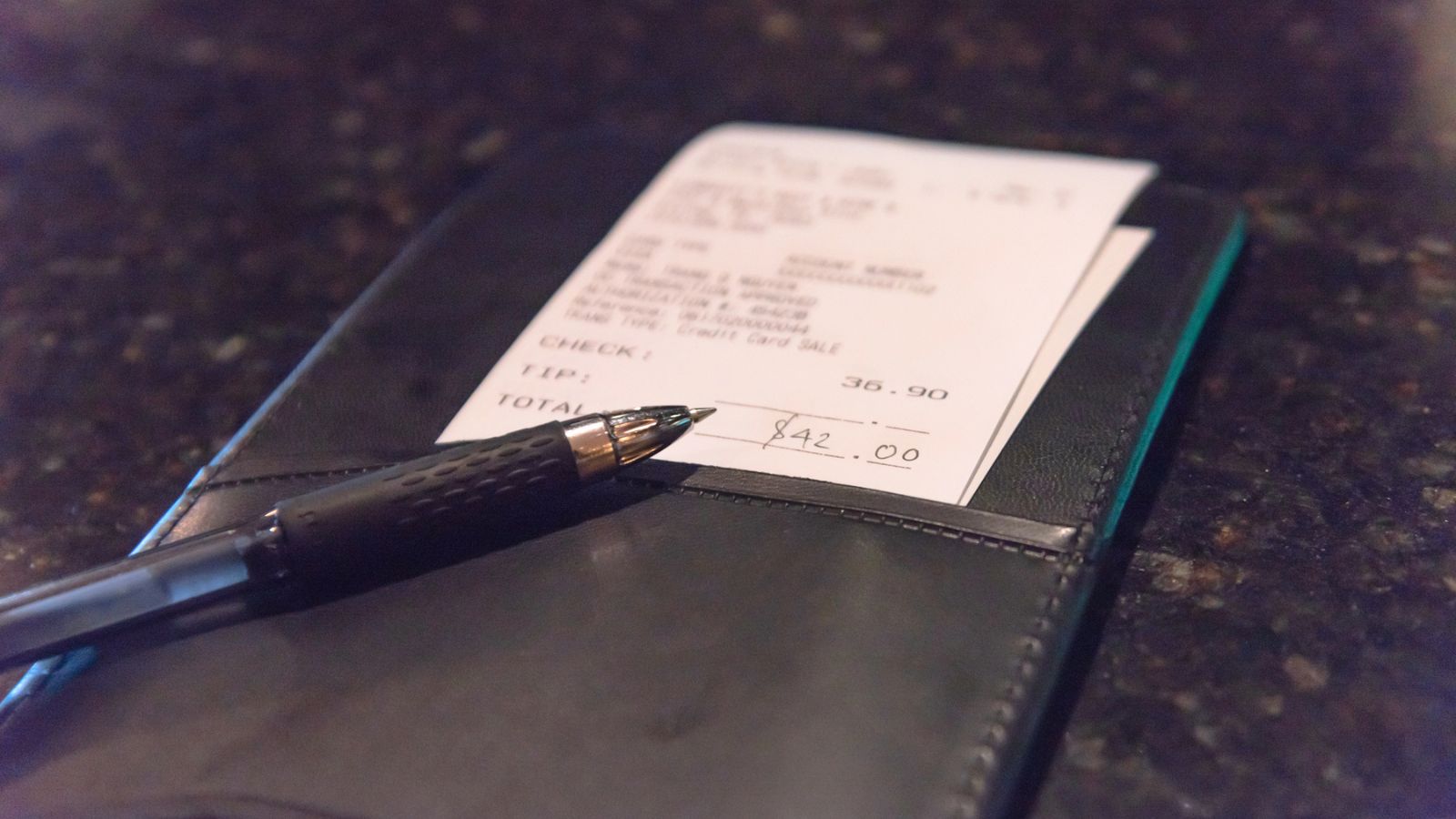
Checking the bill carefully can prevent double tipping. Restaurants usually mention automatic gratuities on the menu. If you’re unsure, ask the server before paying.
3. Extra Toppings and Substitutions
Adding cheese, avocado, or extra sauce can increase the price of a dish. Some restaurants also charge for substitutions, like swapping fries for a salad. These small charges can add up quickly.
Before ordering, ask whether there are charges for changes. Many menus list extra costs in small print. Being aware of these fees can help you stay within budget.
Some restaurants also charge extra for dressing on the side, extra pickles, or a second sauce. These small fees can seem minor, but they add up over a family meal. Asking the server about extras before ordering can help you avoid surprises.
4. Premium Side Dishes
Some meals come with a standard side, like fries or vegetables. Choosing a premium side, such as sweet potato fries or onion rings, often costs extra. Servers may not always mention the upcharge.
Checking the menu for side dish prices can prevent surprises. If you’re unsure, ask before ordering. These small differences can add several dollars to the bill.
5. Beverage Refills
Many diners expect free refills on soft drinks, coffee, or iced tea. But not all restaurants offer them. Some charge for each refill, especially for specialty drinks.
Asking about refill policies can help you avoid unexpected charges. Ordering water is a simple way to save money. Drinks can significantly increase the total bill.
Specialty drinks like lemonade, smoothies, and fresh juices are especially likely to come with refill charges. Even coffee refills may cost extra at some places. Asking about the policy before ordering a second glass is a simple way to stay in control of the bill.
6. Delivery and App Fees
Ordering food through delivery apps often includes several fees. These can include delivery fees, service fees, and small order fees. Menu prices on apps may also be higher than in the restaurant.

Picking up food yourself or ordering directly from the restaurant can save money. Some restaurants offer discounts for pickup orders. Comparing prices can help you find the best deal.
Delivery drivers also rely on tips, which should be included in your budget. Many apps show the tip separately from the service fee. Understanding the difference helps you make sure the driver is fairly paid.
7. Cake-Cutting Fees
Bringing your own birthday cake to a restaurant can lead to a cake-cutting fee. Restaurants may charge per slice or per person. The fee covers plates, utensils, and staff time.
It’s best to ask about this policy before bringing a cake. Some restaurants waive the fee for special occasions. Knowing in advance can prevent surprises during a celebration.
8. Corkage Fees
Some restaurants allow diners to bring their own wine but charge a corkage fee. This fee can range from a few dollars to much more at upscale restaurants. It covers glassware and service.
Corkage fees vary widely, so it’s important to ask ahead. In some cases, buying wine from the restaurant may cost about the same. Understanding the policy helps you decide what’s best.
9. Shared-Plate Charges
Some restaurants charge a fee when two people share one entrée. This charge helps cover extra plates and service. It can surprise diners who were trying to save money.
Ask about split-plate fees before sharing a meal. Some restaurants include extra sides or bread with shared plates. Knowing the policy helps you make the best choice.
Sharing can still be a good idea when portions are large, even with a small fee. Many restaurants serve enough food for two people in a single entrée. Weighing the fee against the portion size can help you decide.
How to Avoid Bill Surprises
Reading the menu carefully is one of the best ways to avoid unexpected charges. Asking questions before ordering can also help. Reviewing the bill before paying ensures you understand every charge.
Rules on hidden fees are changing in some places. The Federal Trade Commission has cracked down on junk fees for tickets and hotels, and some states have passed their own pricing laws. Many diners also feel ripped off by everyday expenses, so it pays to be careful. These tipping habits can also help you treat your server fairly. Which restaurant charge has surprised you the most?