Scrambled Eggs Come Out Fluffier When You Add This One Pantry Ingredient
Scrambled eggs might be the most common breakfast in America. They are quick, cheap, and filling, and nearly everyone learned to make them as a child. Yet for something so simple, scrambled eggs are surprisingly easy to get wrong. Many home cooks end up with eggs that are flat, rubbery, or a little watery on the plate.
Every family seems to have its own secret for better eggs. Some swear by a splash of milk, others by a spoonful of water, and some by cooking them low and slow with plenty of butter. But one tip keeps popping up in test kitchens and food magazines, and it involves an ingredient most people associate with cakes and biscuits.
That ingredient is baking powder. A tiny pinch, whisked into the eggs before cooking, can make them noticeably puffier and lighter. Here is how the trick works, how much to use, and why some cooks think you are better off skipping it.
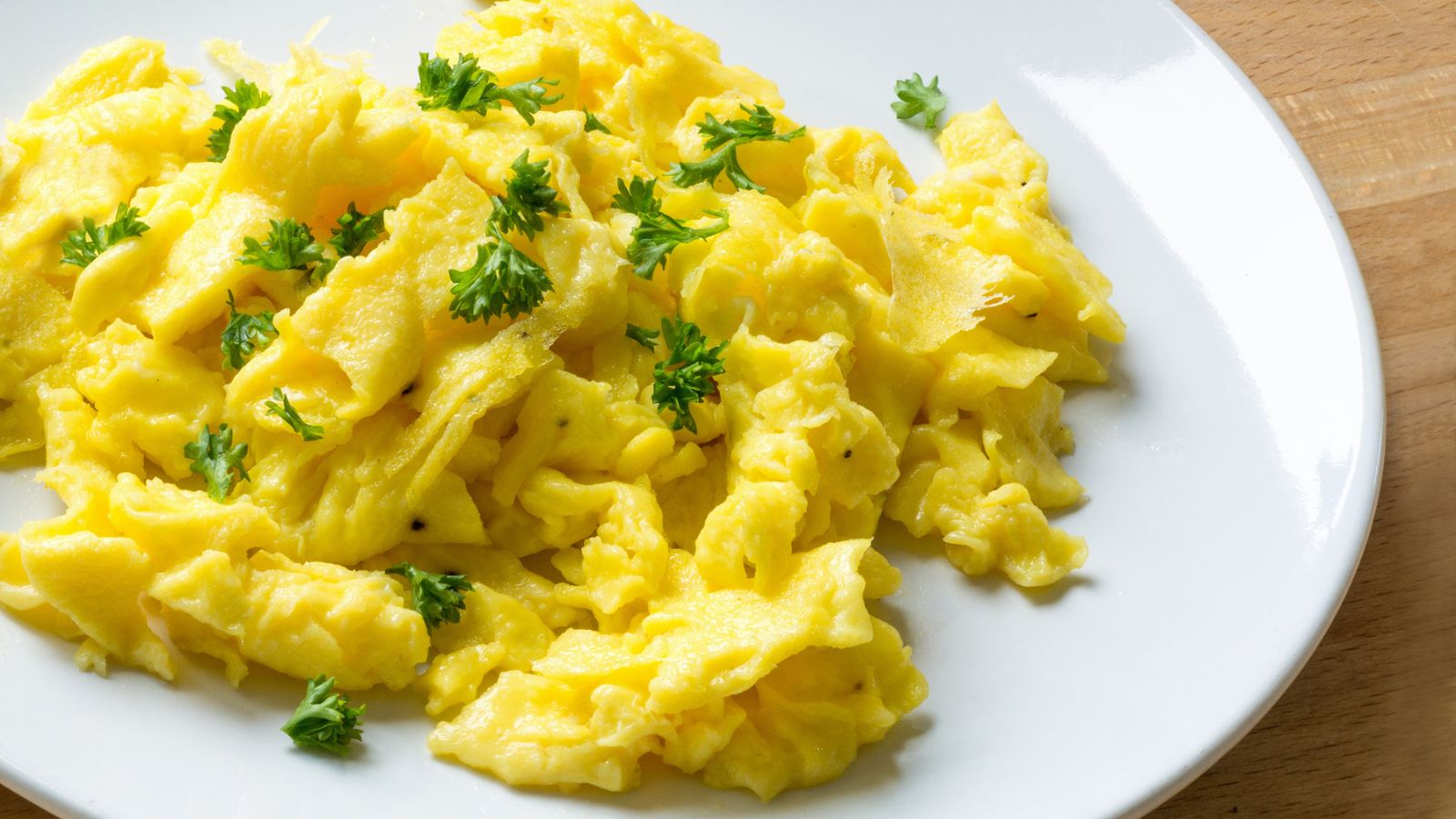
Why Baking Powder Makes Eggs Puff Up
Baking powder is a leavening agent. It contains baking soda, an acid, and usually a little cornstarch to keep it dry. When baking powder gets wet and then heated, it releases tiny bubbles of carbon dioxide gas. That is what makes muffins and pancakes rise.
The same thing happens in a pan of eggs. When a small amount of baking powder is whisked into beaten eggs, the heat of the pan causes it to release gas. Those bubbles get trapped in the setting egg proteins, which makes the curds lighter and puffier.
Food writers at The Daily Meal have called baking powder the secret to light, fluffy scrambled eggs. Many home cooks who try it say the difference is easy to see.
How Much to Use
The key with baking powder is to use very little. Too much can leave a bitter or metallic aftertaste and an odd, spongy texture. Most recipes call for about one-eighth of a teaspoon for every two eggs.
Whisk the baking powder into the eggs along with a pinch of salt. Some cooks let the mixture sit for 30 seconds to a minute before pouring it into the pan, which gives the powder time to start working. Then cook the eggs as usual over medium-low heat, stirring gently.
Make sure to use baking powder, not baking soda. They are not the same thing. Baking soda needs an acid to react, and on its own it can make eggs taste soapy and turn them an unappetizing color.
The Case Against Baking Powder
Not every cook is a fan of this trick. Some food writers say baking powder can give eggs a slight chemical taste, especially if you use a little too much. Others point out that eggs made with baking powder can deflate once they sit on the plate for a few minutes.
At Tasting Table, a writer argued that baking powder is best left out of scrambled eggs entirely. Some professional chefs agree that it is unnecessary if you use good technique.
The truth is that baking powder is a shortcut, not a requirement. It works for people who want extra-puffy eggs without much effort. But it is not the only way to get fluffy results.
Other Ways to Get Fluffier Eggs
If you would rather not use baking powder, there are other ways to make scrambled eggs light and tender. The most important is to beat the eggs well. Whisking incorporates air and fully blends the yolks and whites, which helps the eggs puff up as they cook.
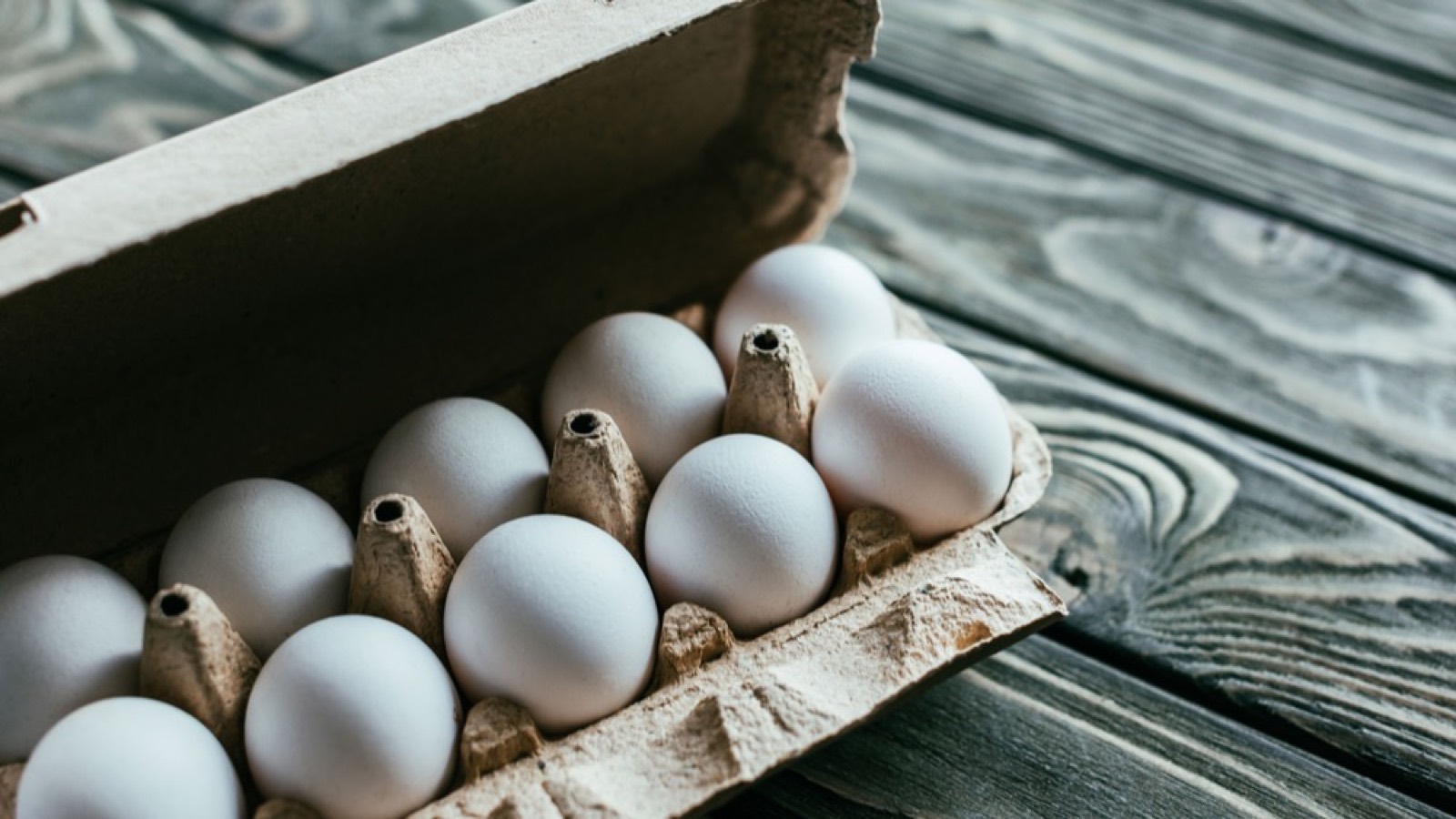
Adding a little liquid also helps. A splash of milk, cream, or water creates steam in the pan, which lifts the curds. Cook’s Illustrated, the magazine from America’s Test Kitchen, has noted that dairy creates steam that helps eggs puff up and gives a richer scramble.
Heat matters too. Cooking eggs over high heat can make them tough and dry. Medium-low heat, with gentle stirring, gives soft, fluffy curds. Pull them off the heat just before they look done, since they keep cooking on the plate.
A Trick Grandma Might Have Known
Many grandmothers had their own methods for fluffy eggs. Some added a spoonful of water instead of milk, claiming it made the eggs lighter. Others beat the eggs with a fork until they were frothy, or cooked them in bacon grease for extra flavor. Baking powder may sound like a modern hack, but it fits right in with the many clever kitchen tricks for home cooks that get passed around and rediscovered every few years.
The best scrambled eggs often come down to personal taste. Some people like them soft and creamy, while others prefer firm, fluffy curds. Baking powder is a good option for anyone who falls into the second camp.
When to Add Cheese and Other Mix-Ins
Fluffy eggs can still turn heavy if you add mix-ins at the wrong time. Shredded cheese, chopped ham, or cooked vegetables are best folded in near the end, once the eggs are mostly set. Adding them too early weighs down the curds and can make the eggs watery.
Vegetables like peppers, onions, and mushrooms should be cooked first and drained, since they release moisture. Fresh herbs such as chives or parsley are best sprinkled on just before serving. A light touch keeps the eggs tender and lets the extra puff from the baking powder shine through.
Keep Eggs Safe
Whatever method you use, it is important to cook eggs properly. The FDA recommends cooking eggs until both the yolk and white are firm, and cooking egg dishes to 160°F. This helps reduce the risk of salmonella.
Store eggs in the refrigerator, and throw out any with cracked or dirty shells. Leftover scrambled eggs should be refrigerated within two hours and eaten within three to four days.
Give It a Try
If your scrambled eggs have been coming out flat, a pinch of baking powder is an easy experiment. It costs almost nothing and takes only a second to add. You may find that it gives you the light, cloud-like eggs you have been chasing.
Pair your fluffy eggs with toast, bacon, or fresh fruit for a classic breakfast. A big plate of eggs belongs with the old-fashioned foods your grandma made, and it works on busy weekday mornings, not just lazy weekends.
Have you ever tried baking powder in your scrambled eggs, or do you have another secret for making them fluffy? Many readers say a splash of water is all they ever needed.