8 Foods and Drinks That Came Out of Prohibition
When national Prohibition took effect in January 1920, the United States became officially dry. The 18th Amendment and the Volstead Act banned the manufacture, sale, and transportation of intoxicating liquor. Saloons closed their doors, and thousands of breweries, distilleries, and wineries faced ruin overnight.
But Americans did not stop eating, drinking, or socializing. They simply changed how they did it. Businesses that had once made beer and wine scrambled to find new products to sell. Soda fountains boomed, home cooks experimented with new drinks, and creative entrepreneurs found loopholes in the law.
Prohibition lasted until December 1933, and in those 13 years, it left a surprising mark on American food. Here are eight foods and drinks that came out of the Prohibition era, some of which are still enjoyed today.

1. A&W Root Beer
In June 1919, as Prohibition loomed, Roy Allen opened a root beer stand in Lodi, California, during a parade honoring World War I veterans. He sold his creamy root beer for a nickel a mug. Root beer was seen as a family-friendly alternative to alcohol, and his stand was an instant hit.
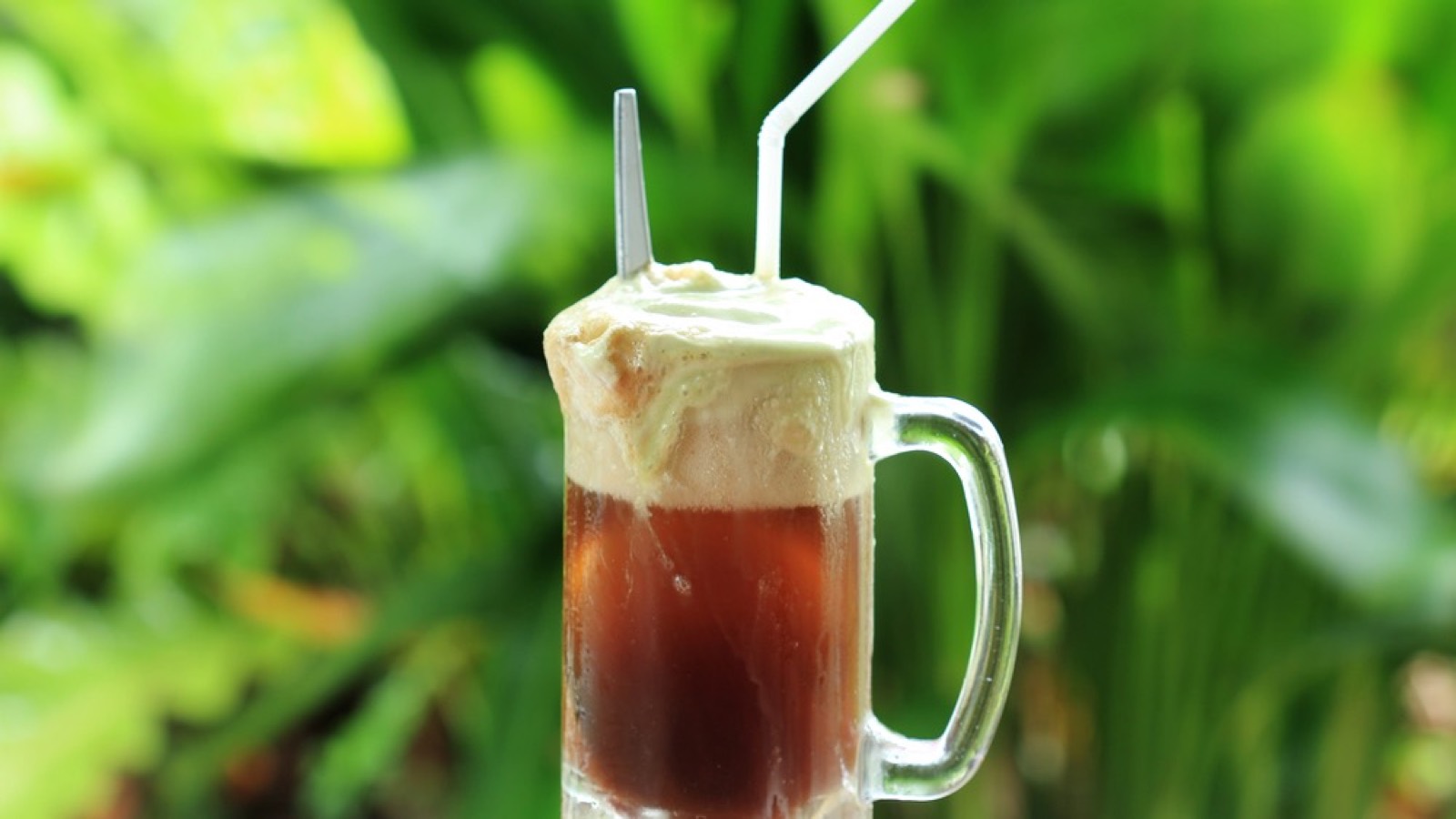
Allen later partnered with Frank Wright, and the two combined their initials to create the A&W brand. They began franchising root beer stands in the 1920s, and A&W became one of the first franchise restaurant chains in America.
Root beer stands and drive-ins spread across the country during Prohibition and afterward. The A&W Restaurants chain still celebrates its 1919 roots today.
2. Bevo and Other Near Beers
During Prohibition, beverages with more than 0.5 percent alcohol were illegal. Breweries began making “near beer,” a low-alcohol drink that tasted somewhat like beer. Anheuser-Busch had already introduced Bevo in 1916 and sold millions of cases in the early years of Prohibition.
Other brewers made their own versions, including Pablo from Pabst and Famo from Schlitz. Near beer was legal, but many people found it watery and disappointing. Some drinkers added alcohol to it illegally, a practice known as “needling.”
Near beer sales eventually declined, but the idea of non-alcoholic beer has made a big comeback in recent years. Today’s alcohol-free beers are a distant descendant of Prohibition-era brews.
3. Brewery Ice Cream
With beer production banned, some breweries turned to ice cream. Their refrigeration equipment, delivery trucks, and dairy connections made it a natural fit. Anheuser-Busch made ice cream, and so did Yuengling in Pennsylvania, America’s oldest brewery.
Yuengling opened a dairy to produce ice cream during Prohibition, and its ice cream became popular in the region. The dairy operated for decades after Prohibition ended, closing in 1985.
In 2014, Yuengling’s Ice Cream was revived by a descendant of the brewing family. It is now sold in grocery stores, keeping the Prohibition story alive.
4. Pabst Cheese
Pabst, one of America’s biggest breweries, found an unusual way to survive Prohibition: it made cheese. The company produced a processed cheese spread called Pabst-ett, which became a popular product in the 1920s.
Pabst-ett competed with Kraft’s processed cheese, and the two companies eventually reached an agreement. Kraft took over distribution of Pabst-ett, and the cheese business helped Pabst stay afloat until beer became legal again.
The story shows how creative breweries had to be during Prohibition. Some made soft drinks, malt syrup, or even ceramics to survive.
5. Coors Malted Milk
The Coors brewery in Golden, Colorado, survived Prohibition by making malted milk and near beer. Malted milk powder was popular in milkshakes and candy, and Coors sold much of its supply to the Mars candy company. Coors also expanded its porcelain business, which made laboratory equipment.
The malted milk business kept Coors running through the dry years. When Prohibition ended in 1933, the company was ready to start brewing again.
Malted milk remains a favorite ingredient in shakes and candy, including Whoppers and Milk Duds. Its Prohibition connection is a little-known piece of food history.
6. Grape Bricks
Prohibition allowed families to make a limited amount of fruit juice at home for personal use. Grape growers in California took advantage of this rule by selling blocks of concentrated grape juice called “grape bricks.” One famous brand was Vine-Glo.
The bricks came with a warning label that told buyers not to dissolve them in water and store them in a cool place for 20 days, because they would ferment into wine. The warning was, of course, a set of instructions. Sales of grape bricks soared.
Grape bricks helped keep California vineyards in business during Prohibition. They are a perfect example of how Americans found clever ways around the law.
7. Cocktails Made to Hide Bad Liquor
Illegal liquor during Prohibition was often harsh and poorly made. “Bathtub gin” was made at home by mixing grain alcohol with flavorings, and it sometimes tasted terrible. To mask the flavor, people mixed it with honey, fruit juice, and other sweet ingredients.
This led to the popularity of cocktails like the Bee’s Knees, made with gin, honey, and lemon juice. Ginger ale, cola, and tonic water were also popular mixers. Cocktails became a central part of speakeasy culture.
Many classic cocktails from the era are still popular today. Some bartenders specialize in recreating Prohibition-era drinks for modern customers.
8. The Ice Cream Soda Boom
With saloons closed, soda fountains became the new social centers of many towns. Drugstores expanded their fountains, and people gathered to drink ice cream sodas, milkshakes, and phosphates. Some former saloons were converted into soda fountains.
The demand for soft drinks and ice cream rose during Prohibition. Soda fountain menus grew, and many new flavors and drinks were invented. The soda jerk became a familiar figure in American life.
The soda fountain remained popular for decades after Prohibition ended. It is one of the simple pleasures in life we often overlook today.
The End of Prohibition
Prohibition ended on December 5, 1933, when the 21st Amendment was ratified. The National Archives holds key documents from the era, including records of the Volstead Act. Breweries and distilleries reopened, and Americans could legally drink again.
But many of the foods and drinks that emerged during Prohibition remained popular. Root beer stands became drive-ins, soda fountains thrived, and cocktails became a lasting part of American culture.
A Lasting Legacy
Prohibition is often remembered for gangsters, speakeasies, and bootleggers. But it also changed how Americans ate and drank in ways that still shape our tables today. Many beloved foods and brands owe their success to those dry years. They appear among the iconic American foods accidentally invented in hard times.
Which of these Prohibition-era foods surprised you the most, and did your family have any stories from those years? Many readers say their grandparents remembered the root beer stands fondly.