9 Hidden Rules of Raising Multiple Kids That Adults Always Miss
Raising one child can feel like learning a new language without a dictionary. Raising multiple children can feel like running a small emotional country where every citizen has different needs, loud opinions, shifting moods, and urgent requests that somehow all happen at the same time. We may love every child deeply, but love alone does not automatically solve the daily pressure of fairness, sibling rivalry, school stress, attention gaps, and parental exhaustion.
The hard part is rarely the big family moments people see from the outside. It is the quiet mental load behind the scenes, remembering who needs gym clothes tomorrow, which child feels left out, who has been compared too often, who needs privacy, who needs praise, and who is one tired comment away from tears. We are not simply raising children side by side; we are managing different personalities under one roof and trying to make each child feel fully seen.
Fair Does Not Mean Every Child Gets the Same Thing
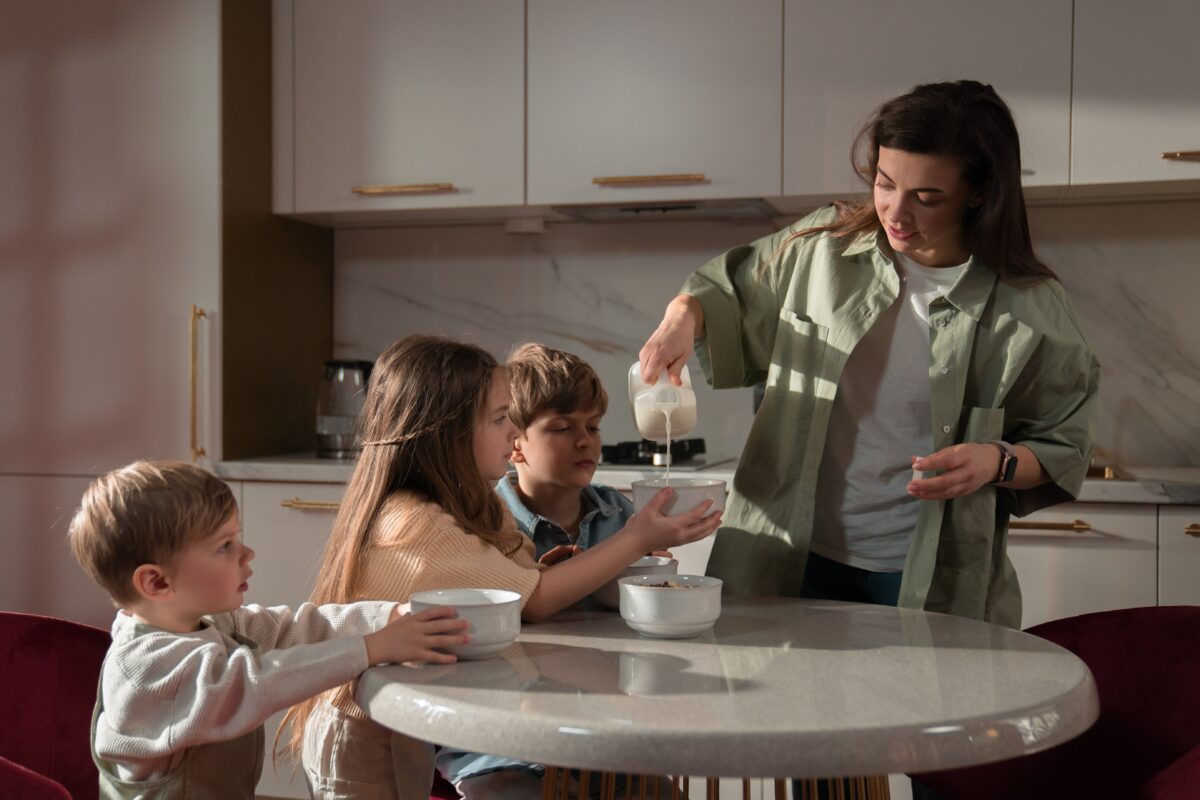
One of the first rules of raising multiple children is that fairness cannot mean identical treatment. A six-year-old may need help tying shoes, calming big feelings, and remembering bedtime steps, while a teenager may need emotional privacy, academic support, and careful conversations about friendships or identity. When we try to divide everything equally, we often miss what each child actually needs.
Fairness works better when we think in terms of equity. One child may need more time during a difficult school year, while another may need more encouragement after feeling overlooked. We can explain this simply by saying, “Everyone in this family gets what helps them grow,” because children can handle fairness better when they understand that love is steady, even when attention looks different from day to day.
Comparison Is the Fastest Way to Create Quiet Resentment
In families with multiple children, comparison can sneak in through ordinary sentences. We may praise one child for being organized, call another “the wild one,” or quietly expect a younger sibling to repeat an older sibling’s success. Even when we mean no harm, children often hear labels as life sentences, and they may start performing the role we keep assigning to them.
The better rule is to describe effort, growth, and character without turning one child into the measuring stick for another. Instead of saying, “Your brother never needed help with this,” we can say, “This part is hard right now, and we can work through it step by step.” That small shift protects individuality, reduces rivalry, and gives every child room to become more than the family nickname they were given at age seven.
Sibling Rivalry Is Not Always a Sign of Bad Parenting
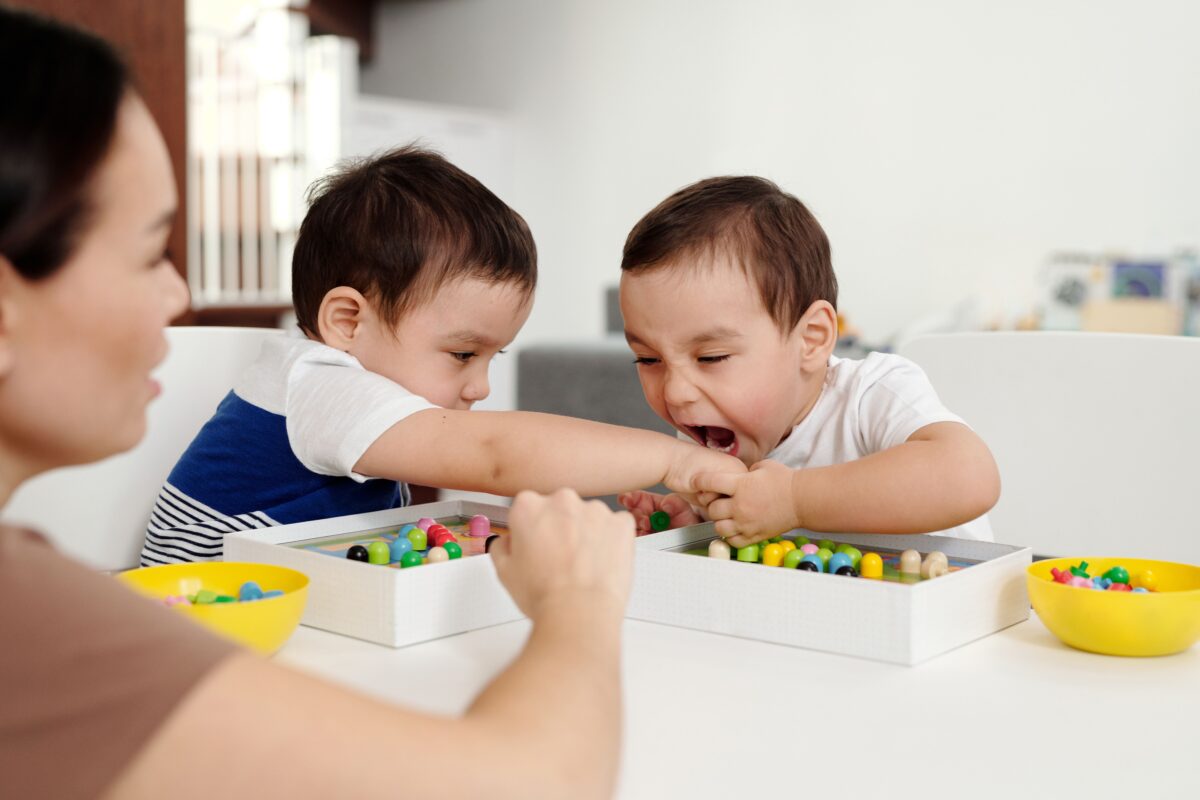
Sibling conflict can make parents feel as though the entire house is falling apart. The fighting over seats, snacks, toys, privacy, chores, and attention can feel endless, especially after a long workday or during the morning rush. Yet rivalry is not always a failure; it is often children practicing power, fairness, communication, and emotional control in the safest relationship they know.
The real issue is not that siblings fight. The real issue is whether they learn how to repair after conflict. We can avoid turning every argument into a courtroom drama and instead teach children to name the problem, hear the other person, take responsibility, and agree on the next step. A home with multiple children does not need silence to be healthy; it needs repair, accountability, and enough warmth that children still know they belong to each other.
Each Child Needs a Private Relationship With the Parent
A family can spend hours together and still leave one child emotionally hungry. Group time matters, but it cannot fully replace small one-on-one moments where a child feels chosen, noticed, and heard without competing for space. This is especially important for quieter children, highly sensitive children, middle children, and children who rarely cause trouble because their needs can be overshadowed by louder siblings.
We do not need expensive outings or dramatic traditions to build a private connection. Ten minutes before bed, a walk around the block, a simple breakfast date, or a shared errand can tell a child, “I see you outside your role in this family.” When each child has a private emotional doorway to the parent, they are less likely to fight for attention through misbehavior, jealousy, or withdrawal.
The Loudest Child Should Not Always Get the Most Attention

In many homes, the child with the biggest emotions naturally receives the fastest response. The child who cries, argues, refuses, demands, or melts down often gets more parental energy because the situation feels urgent. Over time, the quieter child may learn that being easy is the same as being invisible, and that can create a different kind of pain.
We need to watch for the child who copes silently. A calm child may still need reassurance, celebration, and help. A responsible child may still feel pressure from being “the mature one.” When we regularly check in with the child who does not ask loudly, we teach every child that love is not awarded only to the biggest crisis in the room.
Older Children Are Not Built-In Assistant Parents
It can be tempting to rely on older children when the house is busy. We may ask them to watch younger siblings, help with homework, calm arguments, or “set a good example” every hour of the day. Some responsibility is healthy, but too much can quietly turn an older child into a second parent before they are emotionally ready for that role.
The rule is simple: helping should build maturity, not steal childhood. Older children can contribute to family life, but they still need play, rest, privacy, mistakes, and protection from adult-level pressure. When we thank them for helping without making them responsible for their siblings’ behavior, we allow them to grow into leadership without resentment.
Middle Children Need More Than Leftover Attention

Middle children often live in the emotional space between firsts and lasts. The oldest child may receive attention for milestones and responsibility, while the youngest may receive attention for cuteness, neediness, or being “the baby.” The middle child can easily become the flexible one, the independent one, or the one parents assume is fine because they have learned to adjust.
We can protect middle children by giving them clear ownership of their own story. That means celebrating their interests without comparing them to the older child and giving them privileges that are not delayed simply because they are not the oldest. A middle child who feels recognized does not need to fight for a place in the family script.
Family Rules Must Be Clear Enough to Survive Chaos
Multiple children multiply decision fatigue. If rules change depending on parental exhaustion, children quickly learn to negotiate, push, compare, and protest. One child says, “But she got more screen time,” another says, “He did not have to clean yesterday,” and soon the parent is trapped in a debate that could have been avoided with a clearer family system.
Strong family rules should be simple, visible, and repeatable. We can create rules for screens, chores, bedtime, shared spaces, homework, respectful speech, and conflict repair. The goal is not to control every moment; it is to reduce daily arguments by making expectations predictable enough that children know where the boundaries are before emotions rise.
Different Temperaments Need Different Parenting Tools
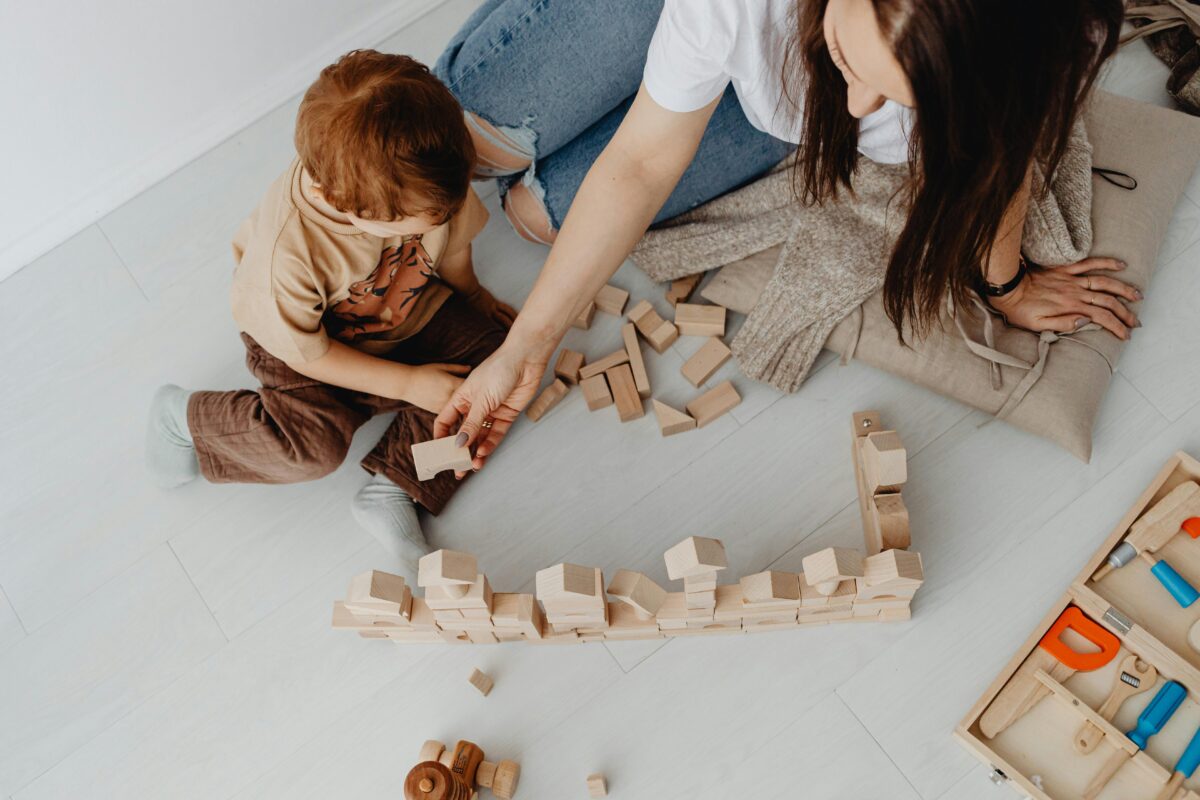
One child may respond well to direct instruction, while another shuts down under the same tone. One may need movement before homework, while another needs quiet. One may process feelings through talking, while another needs space before they can explain anything. In a family with multiple children, using one parenting style for everyone can create unnecessary conflict.
We become more effective when we study each child’s temperament. The sensitive child may need gentler correction, the strong-willed child may need choices within limits, the anxious child may need preparation, and the impulsive child may need structure before consequences. This does not mean lowering standards; it means choosing the route that helps each child actually reach the standard.