7 Key Reasons Why the U.S. Military’s Hormuz Strategy Could Spark a Global Crisis
The Strait of Hormuz has always been one of the world’s most sensitive shipping lanes, but the latest U.S. military move has turned it into an even bigger flashpoint. What once looked like a regional security problem now carries the weight of global oil prices, international shipping, inflation, and military escalation.
With President Trump’s administration backing Project Freedom, the United States says it wants to help commercial ships move safely through the strait. That goal may sound simple, but the reality is far more dangerous. A single miscalculation in these waters could send shockwaves through energy markets, shipping routes, and diplomatic relations worldwide.
The Strait of Hormuz Is the World’s Most Important Oil Chokepoint

The Strait of Hormuz connects the Persian Gulf to the Gulf of Oman and the Arabian Sea, making it one of the most valuable waterways on earth. A large share of the world’s oil and natural gas flows through this narrow route every day, so any disruption can affect fuel prices across continents.
When tensions rise in this area, markets react quickly because the stakes are enormous.
This is why the current crisis matters far beyond the Middle East. If ships slow down, reroute, or stop moving through the strait, the impact can reach drivers, airlines, factories, food producers, and ordinary families. A conflict in this narrow passage can quickly become a global cost-of-living problem.
Project Freedom Could Make Shipping Companies More Nervous
Project Freedom is designed to help commercial vessels transit the Strait of Hormuz with U.S. military support. The mission is meant to show strength, restore confidence, and keep trade flowing. On paper, that sounds like a direct solution to a dangerous problem.
The challenge is that shipping companies do not base their decisions solely on political confidence. They must consider crew safety, insurance costs, vessel damage, cargo losses, and legal risks. If shipowners believe the route remains too dangerous, military escorts may not be enough to restore normal traffic.
Iran’s Warning Raises the Risk of Direct Conflict

Iran has warned that foreign military forces entering or approaching the strait could face retaliation. That kind of warning creates an extremely tense operating environment. It means U.S. forces, Iranian units, commercial vessels, and regional militaries may all be moving in the same narrow space with very little room for error.
One mistaken radar reading, one drone incident, or one warning shot could trigger a larger clash. The danger is not only that either side plans a wider war. The danger is that a minor incident could quickly spiral into a larger one.
The Conflict Is Already Spreading Beyond the Strait
The crisis is not limited to the waterway itself. Reports of drone attacks, damaged vessels, and threats around nearby ports show that the wider Gulf region is becoming increasingly unstable. This matters because nearby export points and energy facilities are also part of the global supply chain.
If ports outside the Strait of Hormuz become targets, the crisis becomes much harder to contain. Energy companies may lose confidence in backup routes. Insurers may raise premiums. Shipping firms may delay departures. The result would be a wider trade slowdown even if the strait is never fully closed.
Oil Prices Can Rise Even Without a Full Closure

Oil markets do not wait for a total shutdown before reacting. Prices can rise simply because traders expect trouble ahead. When military tensions rise near a major oil route, buyers, sellers, and investors immediately start pricing in the risk.
That means consumers may feel the pressure before any official supply shortage appears. Higher oil prices can raise the cost of gasoline, diesel, air travel, shipping, food delivery, and manufacturing. A crisis in the Gulf can quietly manifest later as higher pump prices, higher grocery bills, and more pressure on household budgets.
Military Power Cannot Solve the Political Problem Alone.
The U.S. military can protect ships, intercept threats, and project power, but it cannot solve the deeper political conflict by force alone. The dispute involves regional security, Iranian influence, shipping rights, sanctions, nuclear concerns, and the wider balance of power in the Middle East. Those issues require more than naval strength.
Without diplomacy, Project Freedom could become a temporary patch on a much deeper wound. The military mission may keep some ships moving, but it cannot remove the fear that another strike, warning, or confrontation could erupt at any time. Lasting stability depends on political agreements, not only military patrols.
A Long Crisis Could Hurt the Global Economy
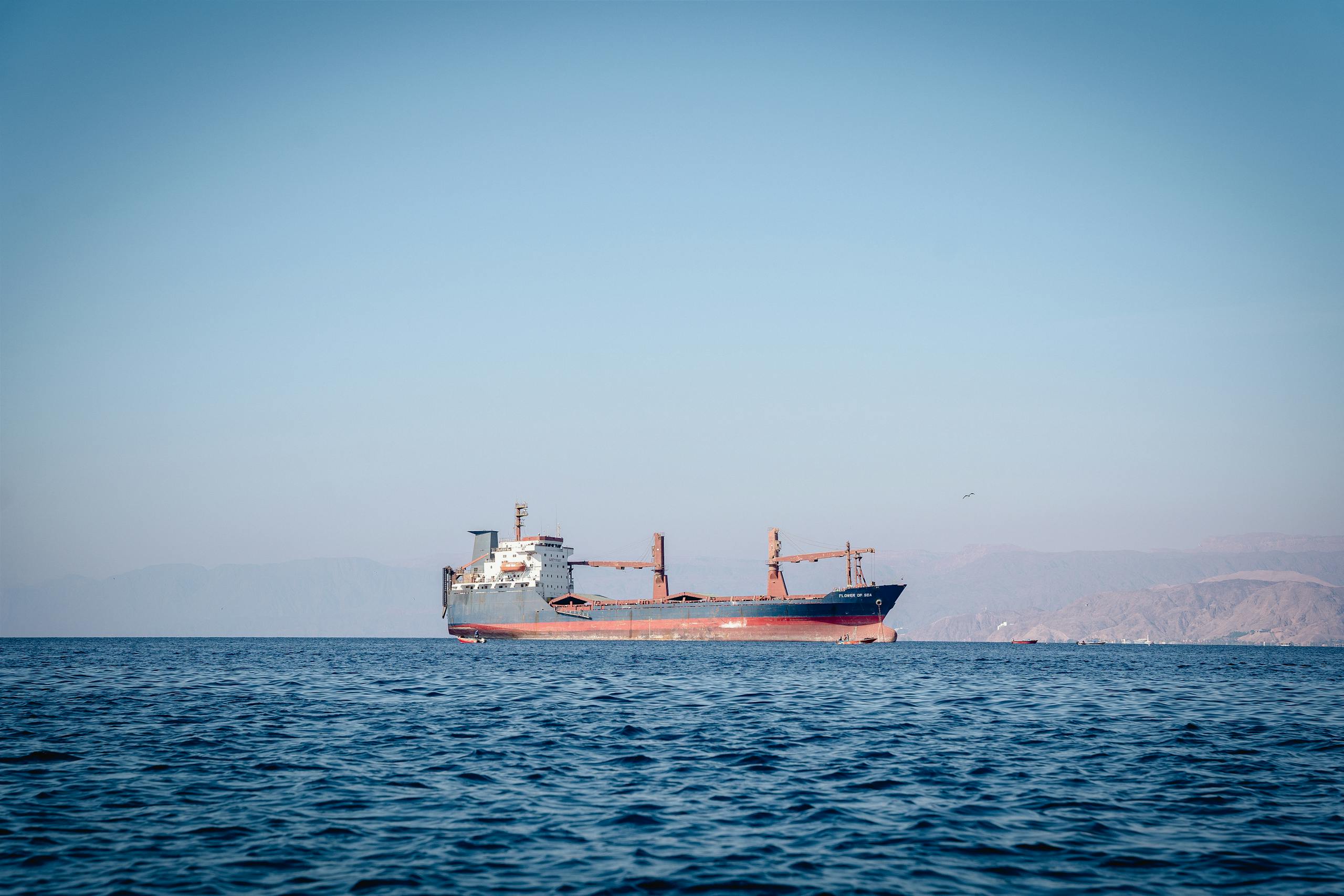
The worst outcome may not be a sudden full closure of the Strait of Hormuz. A long, grinding crisis could be just as damaging. If ships keep moving slowly, insurers keep raising prices, and governments keep preparing for escalation, the world economy could absorb months of added cost and uncertainty.
That kind of pressure can weaken trade, raise energy costs, and make inflation harder to control. It can also force countries to compete for alternative oil and gas supplies. In that environment, poorer nations and import-dependent economies often suffer first and hardest.
What Happens Next?
The next stage depends on whether commercial vessels begin moving through the strait in steady numbers. If more ships pass safely, the U.S. may claim that Project Freedom is working. If vessels remain stuck, avoid the route, or face new attacks, the mission could look more like a dangerous gamble than a security success.
Iran’s response will also matter. If Tehran backs down, tensions may ease. If it directly challenges U.S. naval activity, the crisis could move closer to open confrontation. The world is watching because this is no longer only about ships in the Gulf. It is about oil, inflation, military power, and the fragile line between deterrence and disaster.
Key Takeaway
The Strait of Hormuz crisis shows how quickly a military move can become an economic threat. Project Freedom may help some ships pass through dangerous waters, but it cannot erase the risks created by war, threats, drones, missiles, and political mistrust.
Until shipping companies feel safe, insurers feel confident, and diplomats find a real path forward, the world’s most important oil chokepoint will remain a global pressure point. The danger is not only what happens in the Strait of Hormuz. The danger is what happens everywhere else when that narrow passage starts shaking the world economy.