Iran’s Deadly Strike on U.S. Ships Threatens Ceasefire and Global Markets
On May 4, 2026, Iran launched a bold attack on U.S. warships and merchant vessels in the Strait of Hormuz, escalating tensions in the region to unprecedented levels. While U.S. forces managed to intercept the missiles and drones, the attack signals a much larger risk: the collapse of a delicate truce and a potential disruption to one of the world’s most crucial trade routes.
Could this be the spark that ignites a much broader conflict? The stakes are higher than ever, and the ripple effects could be felt across global markets.
A Dangerous Game in the Strait of Hormuz

Iran’s missile and drone strikes on U.S. vessels in the Strait of Hormuz have amplified the risk of a broader military conflict. The Strait is one of the world’s most vital oil chokepoints, with millions of barrels of crude oil passing through daily. But now, Iran has ramped up its threats, sending missiles, drones, and small boats to challenge U.S. dominance of the waterway. This latest strike is part of a larger, more calculated effort to destabilize the region and assert control over shipping lanes vital to global energy markets.
This latest escalation is about more than military might; it’s about leveraging control over the global energy supply. The U.S. has been working to restore safe passage through the Strait, but can it hold the line? Every attack only intensifies the situation, making it harder to restore order and trust in the region.
U.S. Operations to Restore Shipping
The U.S. military’s response has been swift, deploying a vast array of assets to safeguard shipping lanes. But while the operation, dubbed Project Freedom, has kept some vessels safe, it has not been without cost. The show of strength from the U.S. forces signals a desire to maintain open access to the Strait of Hormuz, but each successful transit is a calculated risk.
While the U.S. claims it has successfully intercepted threats, Iran has denied these claims, creating a murky environment of competing narratives. The U.S. needs to demonstrate that its security measures are enough to keep global trade flowing smoothly, but every failed mission only makes the situation more volatile. As military forces square off in this pivotal zone, commercial companies are left weighing their options, how long can they afford to keep their shipments running without facing significant risks?
The Risk of Oil Shortages and Price Surges

If the conflict escalates, the global oil market will feel immediate consequences. The Strait of Hormuz is a critical route for oil exports, and any threat to this passage sends shockwaves through energy markets. A sustained disruption could cause oil prices to surge, leading to higher fuel costs and potential shortages worldwide. Industries reliant on stable energy prices would face severe challenges, and consumers could soon feel the pinch at the gas pump and in their daily expenses.
It’s not just the price of oil that’s at risk. Shipping insurance premiums would likely soar as vessels face greater threats of attack. Companies would be forced to reevaluate their shipping routes, increasing costs for all. A rise in shipping costs would, in turn, drive up the prices of goods globally, affecting everything from food prices to electronics.
The Ceasefire
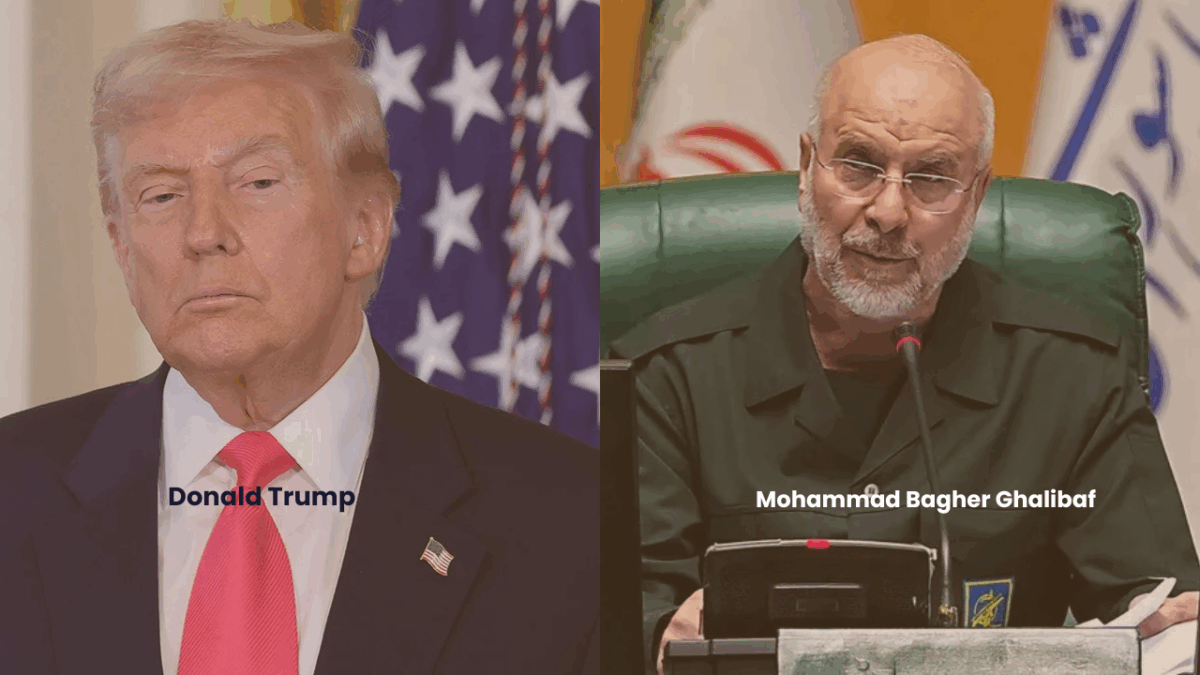
The ceasefire agreement between the U.S. and Iran has been precariously holding, but every attack in the Strait raises doubts about its long-term viability. The nature of the confrontation is escalating beyond direct military engagements, and both sides are vying for control of the narrative. U.S. forces have claimed that they are defending the passage of merchant ships, but Iran views these actions as a violation of its sovereignty.
The longer these tensions persist, the more difficult it will be for either side to back down. The situation is on the verge of turning into a full-blown conflict, where diplomatic channels may fail to cool tensions. If military clashes continue, the ceasefire could unravel, sparking a renewed war in the region that could have devastating consequences for global peace and security.
What’s at Stake for the UAE and Other Gulf Partners?
The crisis isn’t confined to the U.S. and Iran. The UAE, one of the Gulf’s most strategic partners, has already felt the effects of Iranian aggression. In an alarming turn, the UAE reported missile strikes from Iran, which targeted critical infrastructure in Fujairah. The UAE’s position in the Gulf is pivotal, and if Iran continues its aggressive tactics, the entire region’s stability could be at risk.
For Gulf nations, the growing threat to shipping and oil facilities could have far-reaching economic consequences. Their relationship with the U.S. has been based on maintaining regional stability and free passage through key waterways. If Iran continues to target Gulf states, it would add even more pressure on the U.S. to take action, further complicating efforts to de-escalate the situation.
Iran’s Multi-Layered Approach to Warfare

Iran’s strategy in the Strait is complex and multifaceted. It relies on a combination of fast boats, drones, and cruise missiles, which together create a daunting defense perimeter around the waterway. This type of warfare is difficult to counter because it is unpredictable and can come from any direction, making it nearly impossible to guarantee the safety of ships passing through the Strait.
The U.S. military response has been equally layered, involving everything from destroyers and aircraft to electronic warfare and undersea capabilities. However, despite the show of force, the real question remains: can the U.S. protect this vital corridor in the long term? If Iranian forces can continue their campaign of harassment and disruption, it could eventually lead to a broader escalation that undermines U.S. influence in the region.
What’s Next for Global Trade and the Ceasefire?
The future of the ceasefire hangs in the balance. Will the U.S. and Iran continue to tiptoe around the edge of full conflict, or will this be the moment that the ceasefire truly breaks? As tensions escalate, both sides face increasing pressure to either de-escalate or fully commit to their military strategies.
For global markets, the situation is even more urgent. The threat to the Strait of Hormuz is not just a political issue; it’s an economic one. If the Strait becomes a battleground, we could see a complete reordering of the global energy landscape, with far-reaching consequences for everything from fuel prices to international trade routes.
As the crisis unfolds, businesses, governments, and citizens around the world will be forced to confront the question: how far will both sides go to secure their interests in one of the world’s most volatile regions? The answer will determine not only the fate of the ceasefire but the future of global stability itself.
Conclusion
The tension in the Strait of Hormuz is reaching a breaking point. Iran’s recent strikes have pushed the region closer to a dangerous escalation, and the U.S. military’s efforts to maintain shipping lanes are facing serious challenges. The outcome of this confrontation will not only determine the fate of the ceasefire but could reshape global trade, energy markets, and political dynamics for years to come. With both sides digging in their heels, the next move could decide whether peace is possible or if the world is heading toward an even greater conflict.