8 Common Cooking Oils You Should Never Use
When it comes to cooking oils, it’s easy to assume that all oils are created equal. After all, they all serve the same basic function in the kitchen,preparing delicious meals. However, some oils can do more harm than good, especially to our health.
While many oils are packed with essential fats, others may cause inflammation, raise bad cholesterol, or even increase the risk of chronic diseases like heart disease. In this article, we will dive into eight common cooking oils that you should avoid in your kitchen and why they might be doing more damage than you realize.
Vegetable Oil

Vegetable oil is one of the most common oils found in kitchens worldwide. It’s inexpensive, versatile, and can be used for everything from frying to baking. However, most vegetable oils are highly refined and often contain harmful trans fats.
These oils are typically derived from a blend of seeds, including soybeans, corn, or sunflower seeds, which are then processed at high temperatures, stripping them of their nutrients. What remains is an oil with a high omega-6-to-omega-3 ratio. This imbalance may contribute to chronic inflammation, a key risk factor for heart disease.
Why You Should Avoid It: Excessive omega-6 fatty acids in vegetable oil can promote inflammation, which is linked to numerous health issues, including heart disease and diabetes. Additionally, vegetable oil is often highly processed, which means it lacks beneficial nutrients.
Canola Oil
Often marketed as a heart-healthy option, canola oil is another common cooking oil that many people turn to. While it’s lower in saturated fat than butter, it’s not necessarily the best choice.
Canola oil is typically made from genetically modified (GM) crops, and its production process involves extensive processing. The oil is refined, bleached, and deodorized, which removes any natural flavors and nutrients. Some studies have also shown that canola oil contains high levels of erucic acid, a compound that can be harmful to the heart in large quantities.
Why You Should Avoid It: Canola oil contains omega-6 fatty acids, and an overconsumption of omega-6s can disrupt the balance between omega-6 and omega-3 fats in the body. This imbalance can lead to chronic inflammation, raising your risk of heart disease.
Corn Oil
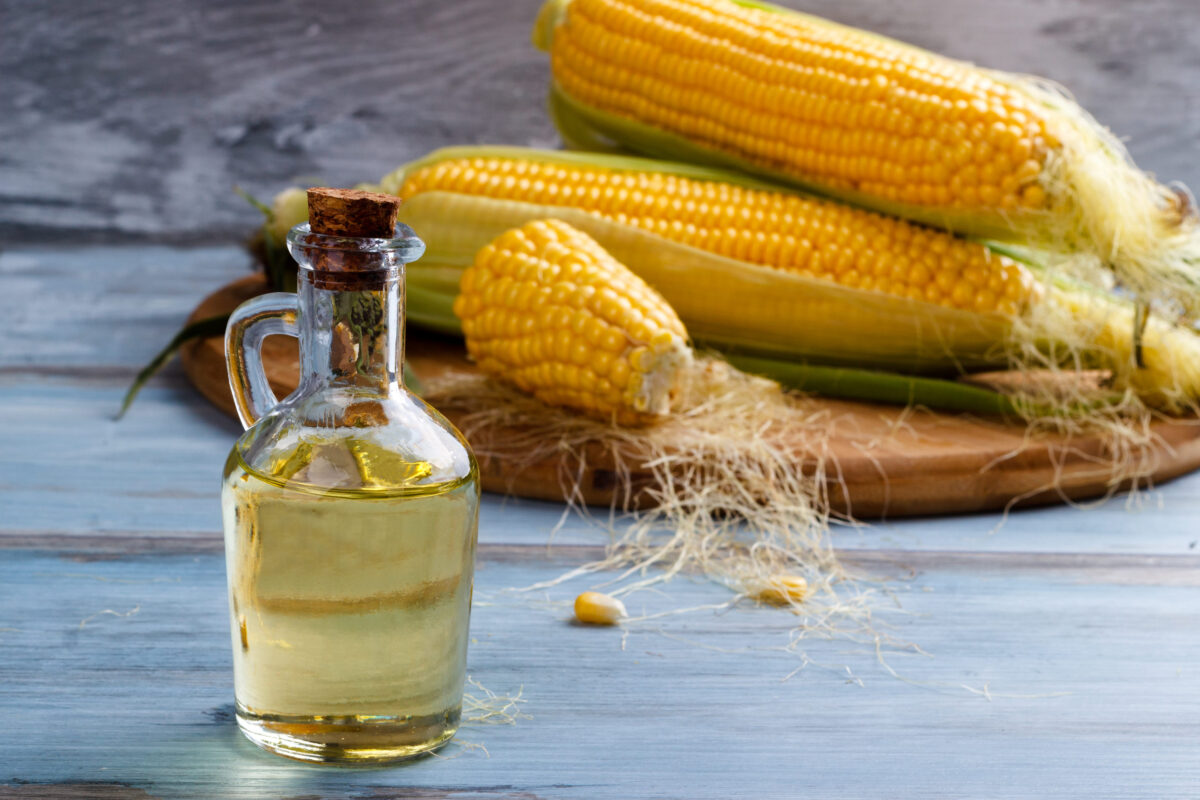
Corn oil is another popular cooking oil, often used in deep-frying and for making salad dressings. While it’s cheap and widely available, it’s also high in omega-6 fatty acids and is refined through processes that include bleaching and deodorizing.
This processing can strip the oil of its natural antioxidants, leaving it with a composition that contributes to inflammation and oxidative stress. Corn oil is often derived from genetically modified corn, adding another layer of concern for those trying to avoid GMOs in their diet.
Why You Should Avoid It: Like vegetable oil, corn oil contains an unhealthy ratio of omega-6 to omega-3 fatty acids, which can contribute to chronic inflammation and other health problems when consumed in excess. Furthermore, the processing it undergoes diminishes its nutritional value, making it less beneficial than other oils.
Soybean Oil
Soybean oil is another commonly used cooking oil, especially in processed foods. It is often found in salad dressings, baked goods, and fried foods. While soybean oil may seem like a healthier option due to its plant-based origins, it’s still highly processed and refined.
Like other vegetable oils, it is high in omega-6 fatty acids, which can lead to inflammation and an imbalance of fatty acids in the body when consumed in excess.
Why You Should Avoid It: Soybean oil’s high omega-6 content, combined with the fact that it’s typically produced from genetically modified soybeans, makes it less than ideal for regular use. The oil is also refined, which reduces its antioxidant content and makes it less beneficial for health.
Palm Oil
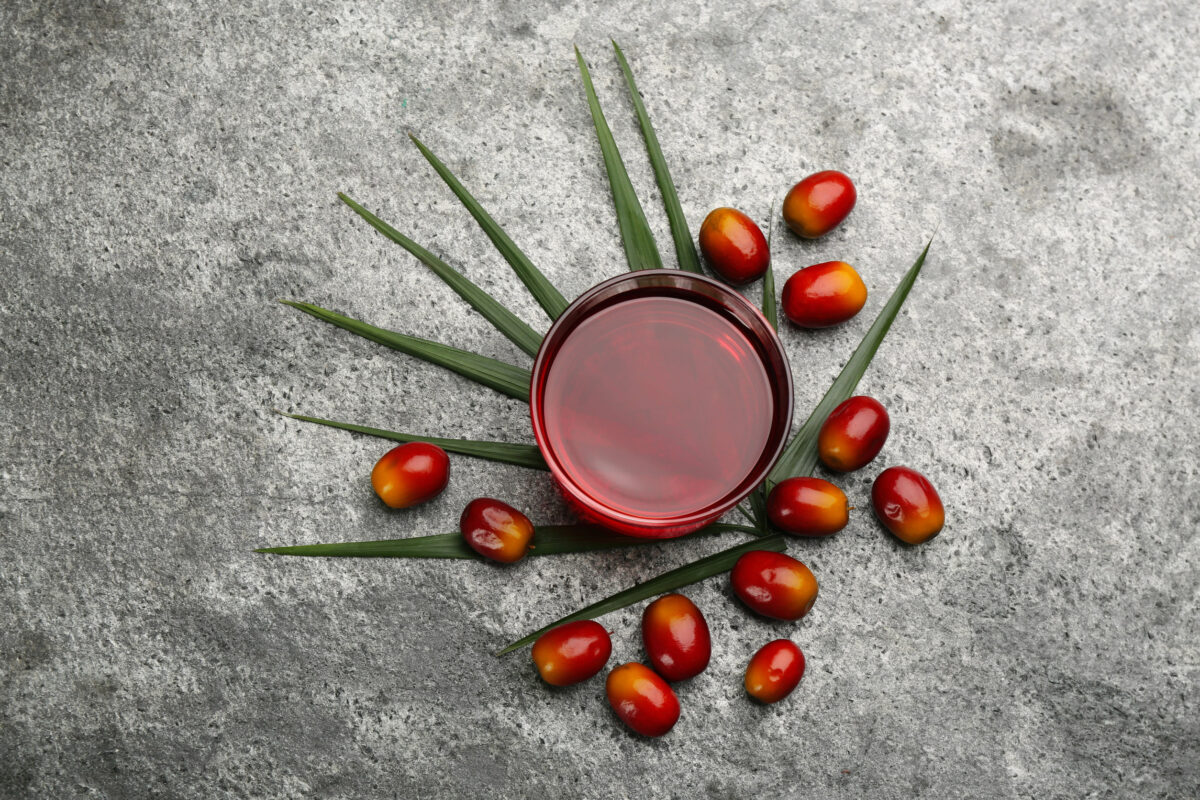
Palm oil is widely used in packaged foods, margarine, and deep-frying due to its high smoking point and relatively low cost. While it’s rich in vitamin E and beta-carotene, the refining process it undergoes strips it of much of its nutritional content.
Palm oil is also high in saturated fat, which has been linked to an increased risk of heart disease. Despite its widespread use, palm oil is one of the most controversial oils due to its environmental impact. The demand for palm oil has led to deforestation, threatening biodiversity and contributing to global warming.
Why You Should Avoid It: Palm oil’s high saturated fat content can raise LDL cholesterol levels, increasing the risk of heart disease. Additionally, its environmental impact makes it an unsustainable choice, so it’s best to avoid it in favor of healthier, more eco-friendly oils.
Grapeseed Oil
Grapeseed oil is often hailed as a healthy alternative to other oils due to its high polyunsaturated fat content, including omega-6 fatty acids. While omega-6 fats are essential for the body, excessive consumption of them can cause inflammation.
Grapeseed oil is also highly refined, meaning it undergoes a bleaching and deodorizing process that removes any beneficial antioxidants it may have had. Additionally, it is commonly made from genetically modified grapes, which may concern those avoiding GMOs.
Why You Should Avoid It: Despite its health claims, grapeseed oil is high in omega-6s, and when consumed in excess, it can contribute to inflammation and an imbalance of fatty acids. The refining process also removes much of its potential health benefits.
Sunflower Oil
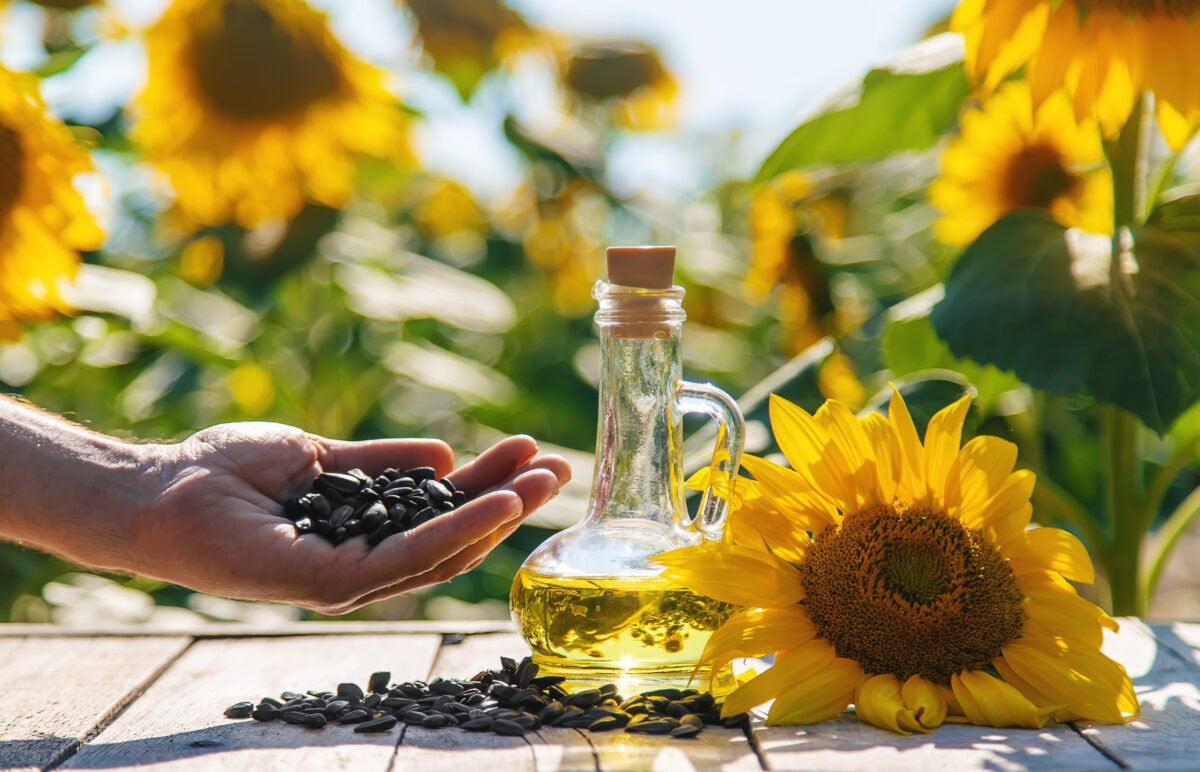
Sunflower oil is another commonly used cooking oil, especially in frying and baking. It is high in polyunsaturated fats, which are often touted as heart-healthy.
However, most sunflower oil is highly refined, and many of the beneficial nutrients are lost during processing. Additionally, sunflower oil is high in omega-6 fatty acids, which, when consumed in large amounts, can contribute to inflammation and increase the risk of chronic diseases such as heart disease.
Why You Should Avoid It: Sunflower oil’s high omega-6 content can lead to inflammation and disrupt the balance between omega-6 and omega-3 fats in the body. The oil is also heavily processed, reducing its nutritional value and making it less beneficial for health.
Cottonseed Oil
Cottonseed oil is often used in processed and snack foods, as well as in restaurant frying, due to its cost-effectiveness and neutral flavor. While it has a high smoke point, it’s not the healthiest choice for regular cooking.
Cottonseed oil is derived from cotton plants, which are often heavily sprayed with pesticides, raising concerns for those trying to avoid chemical exposure. Additionally, cottonseed oil is high in omega-6 fatty acids, which can contribute to inflammation and other health issues.
Why You Should Avoid It: The high omega-6 content, combined with the potential for pesticide residues in cottonseed oil, makes it best avoided. It’s not the healthiest option for cooking, especially when there are more nutritious alternatives available.
Conclusion
In the world of cooking oils, not all oils are created equal. While some oils can provide essential nutrients and support overall health, others may do more harm than good. Vegetable oils, canola oil, corn oil, soybean oil, palm oil, grapeseed oil, sunflower oil, and cottonseed oil are all oils that should be used sparingly or avoided altogether.
These oils tend to be highly processed, high in omega-6 fatty acids, and can contribute to inflammation, heart disease, and other chronic health issues.
If you want to make healthier choices in the kitchen, opt for oils like olive oil, avocado oil, or coconut oil, which are less processed and offer a better balance of healthy fats. These oils can provide the nutrients your body needs without the negative health consequences associated with other oils. Remember, when choosing cooking oils, moderation is key to maintaining a balanced, healthy diet.