7 Meals That Became Popular Because Families Couldn’t Afford Meat
A good meatloaf can feed more people than the ground beef alone would suggest. A pot of beans can become dinner with little more than seasoning and cornbread. And sometimes, yesterday’s leftover ham bone can provide enough flavor for another family meal.
These familiar dishes tell an interesting story about how people cooked when money was tight, ingredients were limited, or meat needed to last longer.
Some recipes used bread or grains to stretch small portions of meat. Others depended on affordable staples such as beans, pasta, and cornmeal. During wartime, cooks even found ways to make traditional dishes without their usual ingredients.
Here are seven meals that show how economical cooking helped shape food traditions that continue today.
Meatloaf
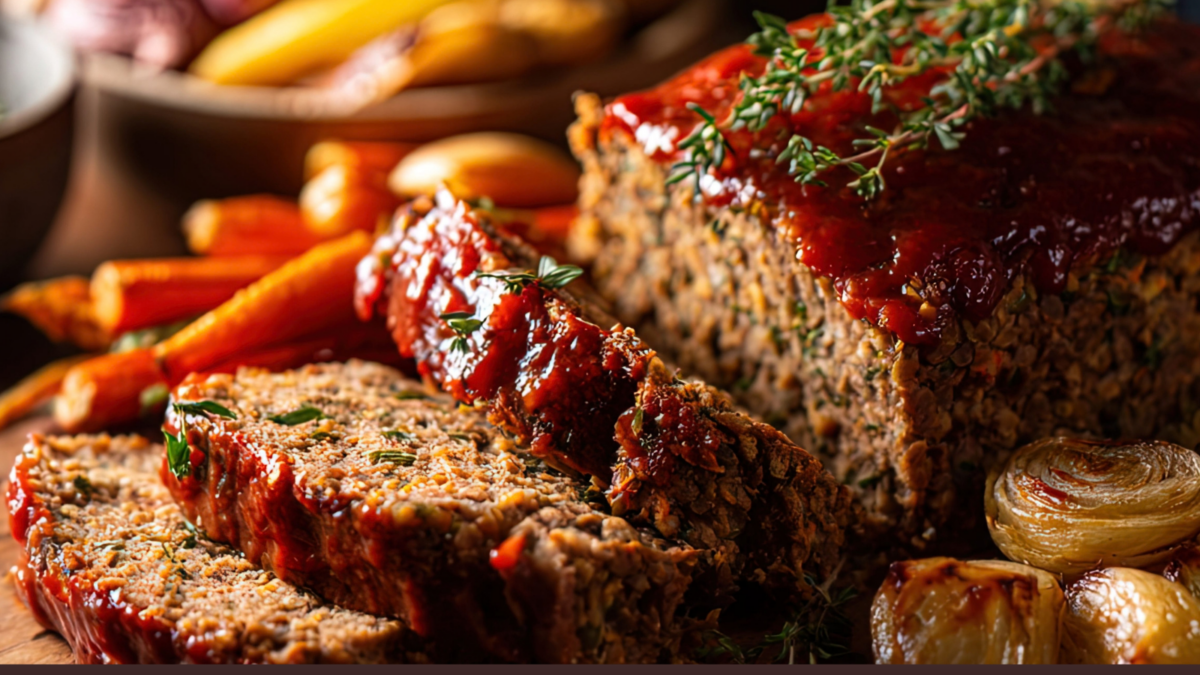
Meatloaf might look like an ordinary family dinner, but its history reveals why it became closely associated with economical American cooking.
During the Great Depression and World War II, households faced financial pressures and, later, wartime restrictions that encouraged cooks to make limited ingredients last.
Ground meat could be combined with breadcrumbs, crushed crackers, or oats. These additions increased the mixture’s volume, allowing a smaller quantity of meat to provide more servings.
Depending on the recipe, cooks also added eggs, milk, ketchup, and seasonings.
As The Atlantic’s history of meatloaf explains, meatloaf existed long before the Depression, but its flexibility made it particularly useful during difficult economic periods. Wartime recipes even experimented with ingredients such as beans, rice, nuts, and soy flour to reduce the amount of meat required.
That adaptability helps explain why meatloaf remains such a familiar American comfort food.
Pasta e Fagioli
In Italy, a pot of beans and pasta could provide the foundation for dinner without requiring an expensive piece of meat.
Pasta e fagioli, meaning pasta and beans, has long been associated with traditional Italian peasant and working-class cooking.
The basic combination is straightforward: beans, pasta, and additional ingredients that vary according to regional traditions.
Historically, beans served as an economical alternative to costly meat for households with limited resources. Combining them with pasta created a substantial dish using familiar pantry staples.
Not every version was meatless, however. Some regional preparations included pancetta, pork rind, or other pork products.
That flexibility is part of the dish’s appeal. Cooks could build a satisfying bowl around affordable ingredients while adjusting the additions according to what was available.
Today, pasta e fagioli remains a recognizable example of how simple ingredients can become an enduring culinary tradition.
Related: 7 Surprisingly Healthy Foods That Can Leave You Bloated
Appalachian Soup Beans and Cornbread
In many Appalachian communities, dinner didn’t always require a large portion of meat. Sometimes, a pot of pinto beans and a piece of cornbread did the job.
Soup beans became a longstanding tradition in the central and southern Appalachian mountains, where dried beans offered an inexpensive ingredient that could be stored for later use.
The preparation was uncomplicated. Pinto beans were cooked with water and seasonings, sometimes with a little pork added for flavor.
Rather than serving meat as the centerpiece, cooks could use a small amount to season the entire pot.
Cornbread made a familiar accompaniment, turning two basic foods into a practical household meal.
Accounts documented by West Virginia Public Broadcasting and Virginia Tech connect soup beans with economic hardship in parts of Appalachia.
Yet the dish’s history extends beyond poverty alone. It also reflects regional food traditions, local preferences, and the everyday practicality of keeping dried beans in the pantry.
New Orleans Red Beans and Rice
There’s a reason red beans and rice became closely associated with Mondays in New Orleans.
According to a longstanding local tradition, families often prepared beans on Monday while handling household laundry.
The beans could simmer for an extended period without requiring constant attention, making the meal convenient on a busy chore day.
As the Louisiana Cultural Encyclopedia 64 Parishes explains in its account of red beans and rice, leftover ham or a ham bone from Sunday dinner could also be added to the pot.
Instead of throwing away the bone after one meal, cooks could use it to season beans that would be served over rice.
Other versions used bacon drippings or different seasoning meats, while some preparations did not require ham at all.
With ingredients such as onion, celery, bell pepper, beans, and rice, the dish brought together affordable staples and flavorful additions.
Its precise origins remain debated, but the familiar Monday tradition illustrates how leftovers and practical cooking routines became part of New Orleans food culture.
Polenta
Before polenta appeared in richer preparations with cheese, sausage, and other additions, it served a much simpler purpose in many northern Italian households.
Basic polenta required cornmeal and water. After maize reached Europe in the 16th century, cornmeal became an important staple in parts of rural Italy.
For impoverished farming communities, polenta could be the center of a meal rather than something served alongside meat.
Historical accounts describe people relying heavily on the dish, sometimes with few other ingredients available.
That reality was not necessarily pleasant. It reflected the limited food choices many rural households faced.
Polenta wasn’t invented specifically because meat was unaffordable. Its significance lies in how an inexpensive grain became central to everyday cooking when other foods were harder to obtain.
Modern versions may be more elaborate, but the dish’s humble foundations remain an important part of its history.
Scrapple
Scrapple proves that stretching meat wasn’t always about adding breadcrumbs to ground beef.
In Pennsylvania and neighboring Mid-Atlantic communities, cooks developed a tradition of combining usable pork scraps with grains to produce something that could be served over several meals.
Associated with German settlers in colonial Pennsylvania, scrapple made use of pork portions that might otherwise have been overlooked.
These could include scraps, head meat, and sometimes organs. The meat was combined with ingredients such as cornmeal or buckwheat flour, along with liquid and seasonings.
Once prepared, the mixture was formed into a loaf that could be sliced and cooked, commonly for breakfast.
The result was a regional specialty built around making fuller use of a butchered hog.
Scrapple wasn’t necessarily considered poverty food by everyone who ate it. Still, its preparation demonstrates how combining meat with inexpensive grains helped households avoid waste and extend available ingredients.
Related: Some Restaurants Are Saying No to AI-Generated Food Photos. Check Out the Reasons
Woolton Pie
Not every economical meal developed because families lacked money. Sometimes, the problem was that familiar ingredients simply weren’t readily available.
That was the situation in Britain during World War II, when rationing and food shortages forced households to reconsider traditional meals.
Woolton pie emerged as a vegetable-based alternative to conventional meat pies.
First publicized in 1941, the dish was created by a chef at London’s Savoy Hotel and named after Lord Woolton, Britain’s minister of food.
Instead of relying on meat, the pie used available vegetables such as potatoes, carrots, cauliflower, and parsnips.
Some versions included rolled oats and a potato or wheatmeal pastry topping, with vegetable gravy served alongside.
The idea was practical, although reactions were mixed. Not everyone welcomed a pie without meat.
Unlike dishes associated with generations of economical household cooking, Woolton pie reflects the particular challenges of wartime rationing and the need to find substitutes for scarce ingredients.
How Simple Meals Became Lasting Traditions
These seven dishes have different histories, but they share a connection to practical cooking.
Some helped households use smaller amounts of meat. Others made inexpensive grains and beans the main attraction. Woolton pie answered the challenges of wartime shortages.
Their stories remind us that many familiar foods were shaped by what people could afford, preserve, reuse, or obtain. Over time, those practical meals became recognizable parts of regional and family food traditions.