Poll Shows Republicans Are Losing Confidence in the Economy as America’s Affordability Crisis Deepens
The economy is no longer being judged by speeches, stock charts, or campaign slogans. It is being judged at the grocery checkout, at the gas pump, and inside homes where families are stretching paychecks that no longer stretch far enough.
A new poll shows Republican confidence in the economy is slipping sharply, suggesting that America’s affordability crisis has moved beyond partisan debate and into the daily reality of voters across the political map. For Republicans, the warning is especially serious: when even loyal voters begin to feel that the economy is getting worse, the political ground beneath the party starts to shift.
Here are some of the key forces now shaping voter confidence, household pressure, and the political stakes of America’s affordability crisis.
The Grocery Aisle Is Becoming a Political Battleground
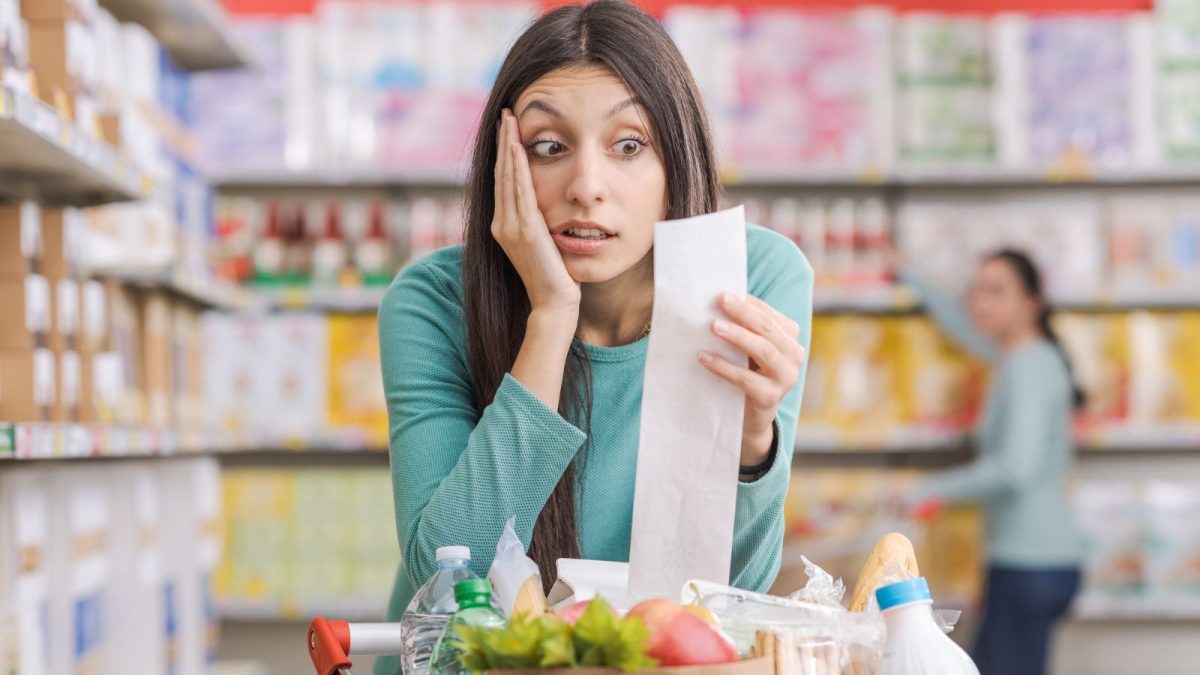
The economy is not being judged in Washington briefing rooms. It is being judged under fluorescent lights at grocery stores, beside gas pumps, inside overdue-bill folders, and around kitchen tables where families are doing the same painful math every week.
That is why a new poll showing a sharp drop in Republican confidence should not be brushed off as another partisan survey. It points to something deeper. The affordability crisis has crossed the political fence. It is no longer only Democrats and independents saying the economy feels broken. More Republicans are now saying it too.
A Harris Poll conducted for The Guardian found that only 27% of Republicans believe the economy is getting better, a major fall from 49% in February. Meanwhile, 38% of Republicans now say the economy is getting worse, compared with 22% who said the same earlier this year. The survey also found that 95% of Americans believe the country is facing an affordability crisis.
That number is hard to spin away. When nearly the whole country agrees on anything, it usually means the issue has moved beyond party messaging. Americans may disagree on taxes, immigration, foreign policy, and social issues, but they know when the cost of basic life feels too heavy.
The Economy Looks Better on Paper Than It Feels in Real Life
There is a dangerous gap between the economy economists describe and the economy voters experience. On paper, the country still has signs of strength. The stock market has remained strong. The labor market has not collapsed. Some industries are still adding workers. But families do not live inside charts. They live within budgets.
A person can hear that the economy is “stable” and still feel trapped by rent, gas, groceries, insurance, car payments, student loans, medical bills, and credit card balances. A parent can hear that inflation is slowing and still walk out of a supermarket wondering how two bags of food cost so much. A worker can hear that unemployment is low and still feel there are no better jobs nearby.
That is the political danger for Republicans. Economic confidence does not depend only on national numbers. It depends on whether voters feel that their own lives are getting easier. Right now, many do not.
Rural America Is Sending a Warning Signal
The poll’s rural numbers may be the most important part of the story. Rural Americans have long been a key part of the Republican base, but their economic mood is darkening quickly.
According to the Harris Poll, 64% of rural Americans now say the economy is getting worse, compared with 46% in February. Rural Americans were also more likely to say good job opportunities had disappeared over the past year. That matters because rural households often feel price shocks differently. Long drives make gas prices harder to ignore. Fewer local employers make job anxiety more personal. Limited retail competition can make groceries and household goods more expensive. Farmers and small business owners feel the costs of fuel, machinery, fertilizer, labor, and credit in ways that quickly spread through local economies.
In cities, people may complain about expensive rideshares, rent, and food delivery. In rural communities, a price increase can hit the truck, the tractor, the commute, the grocery run, and the family business all at once.
Gas Prices Are Still Writing the Mood of the Country

Gas prices are one of the most powerful economic signals because people see them constantly. They are posted on giant signs along highways. They are impossible to avoid. They turn global oil markets into something personal.
The U.S. Energy Information Administration said in its July 2026 Short-Term Energy Outlook that gasoline prices are forecast to average $3.80 per gallon in the third quarter of 2026, down from more than $4.20 per gallon in the second quarter. The agency also projected prices could move closer to $3.40 per gallon in the fourth quarter as inventories rebuild and summer demand eases.
That forecast offers some relief, but voters may not feel it quickly enough. Even when prices begin moving lower, families remember the shock. They remember the $70 fill-up. They remember cutting back on trips. They remember watching grocery and delivery costs rise alongside fuel.
Energy prices do not stay inside the energy sector. They move into trucking, farming, shipping, packaging, retail, and travel. When oil gets expensive, the whole economy starts sounding like a cash register.
Food Prices Are Keeping the Crisis Alive

The grocery aisle remains one of the most emotionally powerful places in the economy. Food is not optional. Families buy it every week, which means they confront inflation again and again.
The Bureau of Labor Statistics reported that the food index rose 3.1% over the 12 months ending in May 2026. Food at home rose 2.7%, while food away from home rose 3.5%. Fruits and vegetables jumped 6.1%, and nonalcoholic beverages rose 5.8% over the same period.
Those numbers help explain why Americans remain frustrated even when officials talk about moderation. Slower inflation is not the same as lower prices. If groceries jumped sharply before and are still rising now, families do not feel relief. They feel stuck with a higher cost of living.
That is the key political problem. Voters are not asking whether prices are rising more slowly. They are asking why life still costs so much.
Republicans Are Feeling the Same Squeeze They Once Blamed on Others
For much of the past few years, Republican voters were more willing than Democratic or independent voters to give the economy the benefit of the doubt. That made political sense. Their party controlled the White House, and many voters wanted to believe the pain would ease.
Inflation has a way of cutting through loyalty. Gas prices do not ask how someone voted. Grocery bills do not care which party a family supports. Utility bills arrive with the same cold confidence in red counties and blue counties.
The Harris Poll shows that the affordability struggle crosses party lines, with about half of Democrats, Republicans, and independents reporting difficulty affording everyday necessities such as gas and groceries. Two-thirds of Americans, including 49% of Republicans, said they have little faith that the federal government will improve the cost-of-living crisis. That is a quiet but serious shift. It suggests that voters are not simply angry at one party. Many are losing faith in the government’s ability to make daily life affordable at all.
The Jobs Report Did Not Calm the Anxiety
A strong job market can sometimes soften anger about inflation. But the latest labor picture is not strong enough to erase household pressure.
The Bureau of Labor Statistics reported that the U.S. added 57,000 jobs in June 2026, while the unemployment rate stood at 4.2%. The agency also revised April and May job gains down by a combined 74,000. That is not a collapse. But it is not the kind of job growth that makes voters feel confident either. For people already worried about prices, softer hiring adds another layer of unease. It raises the fear that paychecks may not grow fast enough, better jobs may be harder to find, and local employers may become more cautious.
This is where economic anxiety becomes political anxiety. When prices rise and job confidence weakens simultaneously, voters start looking for someone to blame.
Why This Poll Should Worry Republicans
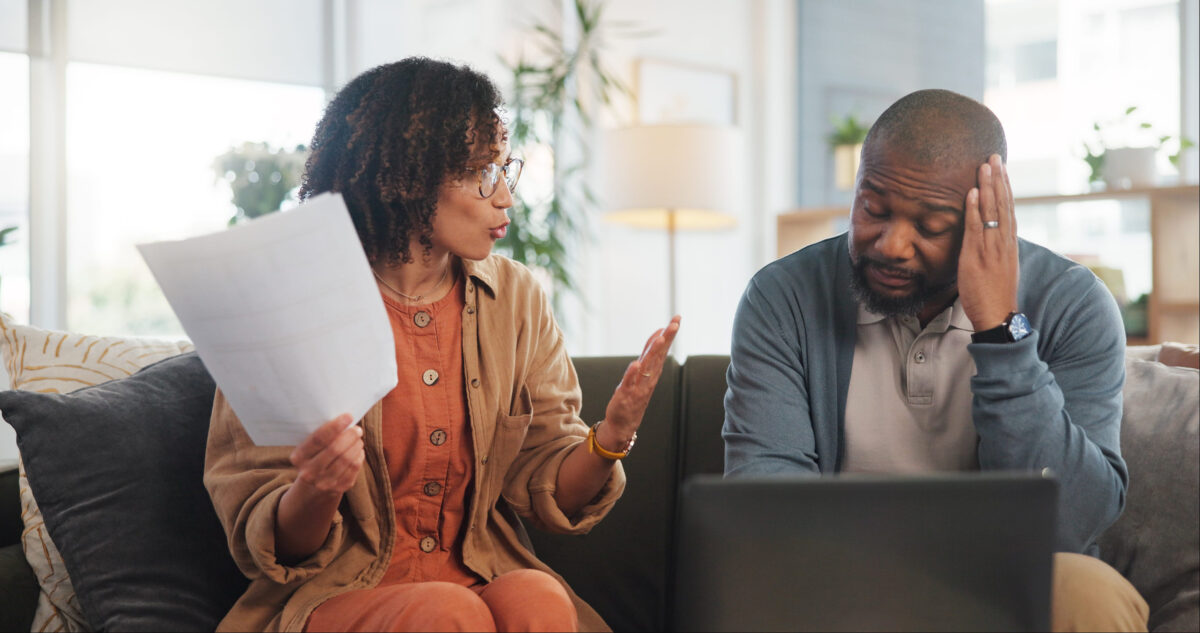
The Republican Party’s problem is not that its voters have suddenly become Democrats. That is not what this poll shows. The problem is enthusiasm.
Midterm elections are often decided by turnout, anger, and trust. If Republican voters still support their party but feel disappointed by the economy, some may become less motivated. Some may stay home. Some may vote but with less energy. Others may begin listening more closely to candidates who talk directly about groceries, gas, housing, and wages. That is where the affordability crisis becomes dangerous. It does not need to flip every Republican voter. It only needs to weaken confidence in enough households to change the political weather.
For Democrats, however, the poll is not a clean victory. Among independents who believe there is an affordability crisis, 54% said neither party has a solution. That means voters are angry, but not necessarily convinced. Democrats may benefit from Republican economic weakness, but only if they can offer a practical cost-of-living message that feels real.