9 Natural Disasters That Kill Slowly and Horribly
Natural disasters do not always arrive like a movie scene, with one loud crack, one giant wave, or one dramatic wall of fire. Some are slower, quieter, and crueler. They turn water unsafe, air poisonous, bodies weak, roads useless, hospitals unreachable, and ordinary days into a long fight for survival. The worst ones do not always kill in the first hour. They wait.
That is what makes these disasters so terrifying. They can trap people in heat, hunger, smoke, disease, darkness, cold, or rubble long after the headlines move on. The damage keeps unfolding in the body, the home, and the community. Here are nine natural disasters that can kill slowly and horribly.
Droughts That Starve Communities One Week at a Time
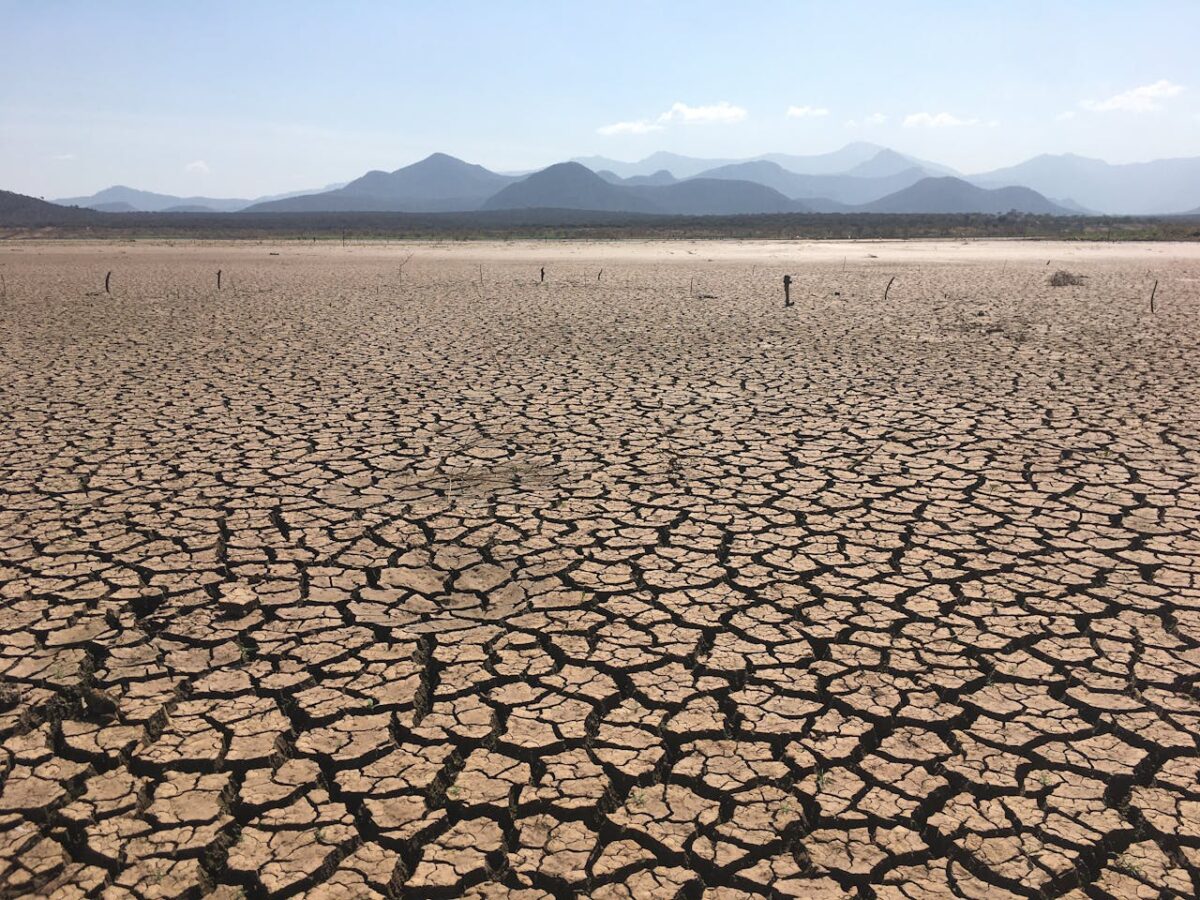
Drought is one of the most merciless disasters because it does not look dramatic at first. The sky simply stops giving. Rivers shrink, crops fail, animals weaken, food prices rise, and families begin making impossible choices at the dinner table. Nobody hears a crash, but the disaster is already inside the body.
The slow horror of drought is hunger, dehydration, and disease working together. Children, older adults, pregnant women, and people with chronic illnesses are hit hardest because poor nutrition makes infection more dangerous. The IFRC links drought and food insecurity to malnutrition, micronutrient deficiency, diarrhoeal disease, and higher vulnerability to illness.
Heatwaves That Cook the Body From the Inside

Heatwaves can feel deceptively ordinary because the sun is familiar. Then the body begins to lose the fight. Sweat stops cooling efficiently, the heart works harder, the kidneys strain, and the brain begins to misfire. A person may feel dizzy, confused, weak, nauseous, or strangely calm when danger is already close.
Heat kills slowly because it breaks the body’s cooling system. Heat exhaustion can become heatstroke, and heatstroke can damage organs quickly if treatment is not come quickly. WHO warns that extreme heat increases the risk of heat exhaustion, heatstroke, cardiovascular and renal strain, and acute kidney injury, especially among vulnerable people.
Floods That Leave Disease Behind
Floods are often remembered for the first wave of destruction, but the aftermath can be just as deadly. Dirty water spreads through homes, toilets overflow, wells become contaminated, and people wade through water filled with chemicals, sewage, sharp debris, and dead animals. The danger does not leave when the water level drops.
Flood survivors may face infected wounds, diarrhoeal diseases, malaria, cholera, typhoid, and loss of access to health care. WHO lists medium- and long-term flood impacts, including waterborne and vector-borne diseases, injuries from cleanup, chemical hazards, mental health effects, disrupted health systems, damaged shelters, and unsafe food and water supplies.
Wildfires That Poison the Air Long After the Flames

Wildfires do not need to touch a person to hurt them. Smoke can travel hundreds or even thousands of miles, turning the air into an invisible weapon. People may cough, wheeze, feel chest tightness, or struggle with burning eyes and headaches. For someone with asthma, heart disease, or lung disease, smoke can become a medical emergency.
The slow killer is fine particle pollution, especially PM2.5, which can enter deep into the lungs and affect breathing and cardiovascular health. Research published in Nature Communications found that wildfire smoke PM2.5 is harmful to health and may be more toxic than equal doses of fine particles from other sources.
Volcanic Eruptions That Turn Ash Into a Silent Threat
A volcanic eruption looks violent, but some of its worst effects drift down quietly. Ash settles on roofs, roads, crops, water tanks, skin, and lungs. It can make breathing difficult, scratch the eyes, contaminate water, collapse weak structures, and turn daylight into a gray, suffocating haze. The eruption may end, but the ash keeps working.
Volcanic gases can also be dangerous, especially sulfur dioxide and other irritating gases. The CDC warns that inhaling volcanic gases and ash can cause eye and airway irritation, vomiting, difficulty breathing, and even death at high concentrations.
Blizzards That Freeze People Into Confusion
Extreme cold has a sinister way of making danger feel sleepy. At first, the body shivers to generate heat. Then fingers stiffen, speech slows, judgment fades, and confusion takes over. A person may stop making rational decisions at the exact moment they need them most. That is part of what makes hypothermia so frightening.
In severe cold, the body loses heat faster than it can produce it. Hypothermia can affect the brain, heart, and breathing, and people may not realize how much danger they are in. The CDC describes hypothermia as a dangerous condition caused by exposure to extreme cold, especially among people without shelter, warmth, or quick access to medical help.
Earthquakes That Trap Survivors Beneath the Rubble
Earthquakes can kill instantly, but they can also leave people trapped for hours or days. Under collapsed buildings, survivors may face crushed limbs, dehydration, bleeding, dust inhalation, falling debris, darkness, panic, and the terrifying sound of rescue teams trying to reach them. Time becomes the enemy.
Even survivors pulled out alive may face slow complications. Crush injuries can lead to kidney failure, wounds can become infected, and disrupted hospitals may delay care. WHO notes that earthquakes cause trauma deaths and injuries from building collapse, along with medium-term health impacts that can extend beyond the first disaster shock.
Landslides That Bury Roads, Homes, and Hope
Landslides are fast when they move, but their danger can unfold slowly for the people caught in them. Mud, rock, trees, and debris can swallow homes, block rivers, cut off villages, bury roads, and delay rescue. A trapped person may survive the first impact only to face suffocation, injury, dehydration, or infection before help arrives.
The aftermath can create more disasters. Landslides can form temporary dams, trigger downstream flooding, and destabilize rescue routes. The U.S. Geological Survey warns that landsliding in river valleys can create cascading hazards, damage infrastructure, and cause fatalities.
Hurricanes That Keep Killing After Landfall

Hurricanes are feared for wind, but water often does the lasting damage. Storm surge, inland flooding, broken power systems, contaminated water, destroyed clinics, flooded roads, and extreme heat after power outages can all turn survival into a second disaster. People may escape the storm itself and still face days without medicine, clean water, refrigeration, shelter, or help.
The slow horror comes from isolation. Dialysis patients miss treatment, insulin spoils, injuries get infected, mold grows in soaked homes, and families sleep in unsafe conditions. WHO warns that climate-related disasters, such as heatwaves, wildfires, floods, tropical storms, and hurricanes, are increasing in scale, frequency, and intensity, posing serious health risks to exposed communities.
Conclusion
The most frightening natural disasters are not always the loudest ones. Some kill by pressure, thirst, infection, smoke, heat, cold, hunger, or waiting too long for help that cannot arrive. They turn ordinary needs into life-or-death problems: water, air, food, medicine, shelter, electricity, and safe roads.
That is why disaster preparation matters long before the sky turns a different color or the ground starts shaking. Emergency supplies, evacuation plans, weather alerts, clean water storage, backup medication, and community check-ins can make the difference between fear and survival. Nature can be beautiful, but when it turns violent, it does not always strike quickly. Sometimes it takes its time, and that is what makes it so deadly.