U.S. Launches $100 Million Workforce Push to Build the Next Generation of Critical Minerals Workers
The United States is launching a $100 million workforce initiative aimed at building the next generation of workers needed to support the nation’s growing critical minerals industry, a sector considered essential to energy, technology, defense and manufacturing.
The investment comes as federal officials seek to strengthen domestic production and reduce reliance on foreign sources for minerals that power everything from electric vehicles and renewable energy systems to smartphones, advanced electronics and military equipment.
The initiative focuses on developing skilled workers capable of supporting the full critical minerals supply chain, including mining, processing, refining, recycling and advanced manufacturing.
As global competition for resources intensifies, policymakers say creating a reliable domestic workforce is just as important as securing mineral supplies themselves.
Building a Workforce for America’s Critical Minerals Future
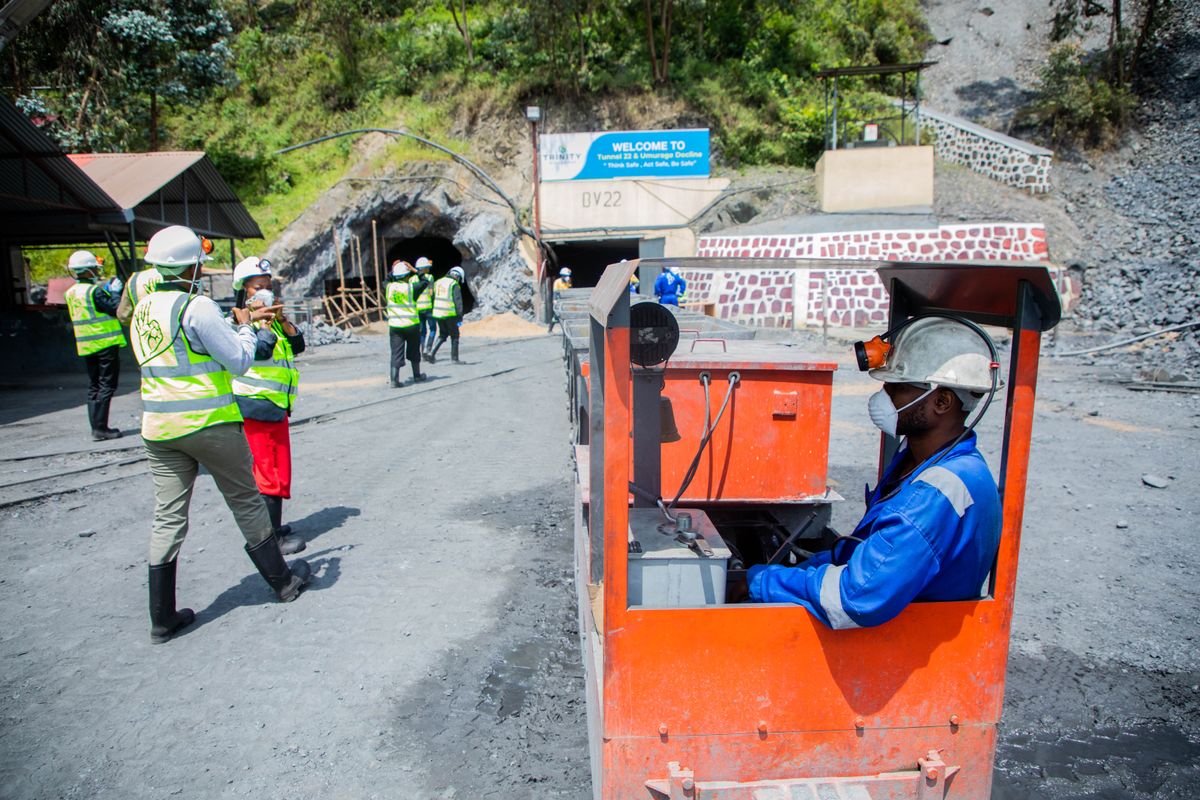
Critical minerals have become a major focus of U.S. economic and national security planning. Materials such as lithium, cobalt, nickel, graphite and rare earth elements are essential components in modern technologies. They are used in electric vehicle batteries, wind turbines, semiconductors, defense systems and other industries that are central to the country’s economic future.
However, the United States has faced challenges in developing a complete domestic supply chain. While the country has significant mineral resources, much of the global processing and refining capacity remains concentrated overseas.
The new $100 million workforce investment aims to address one of the biggest challenges facing the industry: a shortage of trained workers.
Federal officials say the future of domestic mineral production depends on having enough engineers, technicians, operators, scientists and skilled tradespeople who can support a modern minerals industry.
Training Workers Across the Critical Minerals Sector
The initiative is designed to expand education and training opportunities for Americans interested in careers connected to critical minerals.
Programs supported through the investment are expected to focus on workforce development partnerships involving schools, universities, technical programs, labor organizations, and industry employers.
Training opportunities could include skills related to: Mining operations, Mineral processing, Geological science, Engineering, Battery manufacturing, Recycling technologies, and Advanced manufacturing systems
The goal is to create career pathways that connect students and workers directly with opportunities in a growing industrial sector. Supporters argue that these jobs could provide long-term employment opportunities while helping rebuild America’s manufacturing capabilities.
Why Critical Minerals Matter to the U.S. Economy
Critical minerals are often described as the foundation of modern technology. A single electric vehicle requires significant amounts of minerals used in battery production. Renewable energy systems rely on specialized materials for components such as turbines and energy storage systems. Defense technologies also depend on rare earth elements for advanced equipment.
As demand for clean energy and advanced technology continues to increase, competition for these resources has become more intense.
The U.S. government has identified strengthening critical mineral supply chains as a strategic priority. Officials have warned that dependence on foreign suppliers creates vulnerabilities during economic disruptions, geopolitical conflicts, or supply shortages. Developing a domestic workforce is viewed as a necessary step toward expanding American production.
Addressing the Skilled Labor Shortage
One of the biggest obstacles facing the critical minerals industry is the shortage of workers with specialized skills. Mining and mineral processing require technical expertise that cannot be developed overnight. Many positions require advanced training in areas such as engineering, environmental management, equipment operation, and chemical processing.
Industry leaders have warned that an aging workforce and limited training pipelines could slow expansion efforts. The new initiative seeks to encourage more Americans to enter these fields by providing education, career development and opportunities for hands-on experience.
Workforce advocates say attracting younger workers will be especially important as the industry becomes more technology-focused.
Modern mining and mineral processing increasingly rely on automation, artificial intelligence, robotics and advanced data systems. Future workers will need both traditional industrial skills and knowledge of emerging technologies.
Strengthening Domestic Supply Chains
The workforce investment is part of a broader effort to strengthen America’s critical minerals independence. For decades, global supply chains have depended heavily on international producers, particularly for processing and refining.
While international trade remains important, U.S. officials have increasingly emphasized the need for stronger domestic capabilities. A stronger workforce could help support new mining projects, processing facilities, and recycling operations across the country.
Expanding domestic capabilities could also create economic opportunities in communities with mineral resources or industrial infrastructure. Supporters say the initiative could help create jobs while improving national resilience.
The Role of Education and Industry Partnerships
Developing a skilled workforce requires cooperation between government agencies, educational institutions and private companies. Community colleges and technical schools are expected to play an important role by providing specialized training programs that prepare students for industry careers.
Universities can contribute through research, engineering programs and advanced scientific training. Industry partnerships can help ensure that education programs match the actual skills employers need.
Officials say collaboration will be critical because the critical minerals sector requires workers with a wide range of expertise. A successful workforce strategy must prepare employees for jobs across the entire supply chain rather than focusing only on mining.
Challenges Ahead for America’s Critical Minerals Goals
While the $100 million investment represents a major commitment, experts say workforce development is only one part of the larger challenge. The United States must also address permitting, infrastructure, environmental concerns and market competition as it expands domestic mineral production.
Mining projects often require years of planning, regulatory reviews and significant investment before production begins. The industry must also balance increased production with environmental protections and responsible resource management. Creating a workforce capable of supporting these goals will require long-term planning.
A New Era for American Industrial Jobs
The critical minerals workforce initiative represents a broader effort to prepare American workers for industries expected to shape the future economy. As demand for clean energy, advanced technology and domestic manufacturing grows, critical minerals will remain at the center of economic and national security discussions.
The $100 million investment signals a recognition that resources alone are not enough. The United States also needs skilled workers who can extract, process, innovate, and build. By investing in education and training, policymakers hope to create a workforce capable of supporting a stronger domestic supply chain and positioning America as a more competitive player in the global critical minerals industry.
The success of the effort will depend on whether it can attract workers, develop practical skills and translate funding into lasting career opportunities. But the message from officials is clear: securing America’s mineral future begins with investing in the people who will build it.