10 Addictive Foods That Quietly Sabotage Your Diet
Some foods go beyond satisfying hunger, prompting repeated consumption and unplanned snacking. The most addictive options often combine sugar, fat, salt, refined carbohydrates, varied textures, and immediate comfort, making them difficult to resist. Cravings are not always a matter of willpower. Many ultra-processed foods are designed to stimulate the brain’s reward system, especially when they combine rapidly digested carbohydrates with fats. Foods like pizza, chips, cookies, and ice cream are particularly effective at encouraging continued consumption.
These 10 foods are among the biggest craving traps, and the reason they work so well is more fascinating than most people realize.
Pizza

Pizza is one of the strongest craving foods because it combines several pleasure triggers in a single bite. The soft white crust brings refined carbs, the cheese adds fat and salt, the sauce gives sweetness and acidity, and toppings like pepperoni or sausage add even more savory richness. That combination makes pizza feel satisfying at first, then strangely easy to keep eating even as hunger fades.
The bigger trap is that pizza rarely arrives alone. It shows up during movie nights, parties, office lunches, game days, and tired evenings when cooking feels like a personal insult. Because it is tied to comfort and convenience, the craving is emotional as much as physical. One slice can feel like dinner, reward, nostalgia, and stress relief all at once.
Chocolate
Chocolate has a special kind of pull because it melts fast, tastes rich, and gives the brain a quick hit of sweetness and pleasure. Milk chocolate is especially tempting because it blends sugar and fat into a smooth texture that disappears almost too easily. The first bite feels small, but the flavor lingers just enough to make the next piece sound reasonable.
Chocolate also lives in the emotional snack drawer. People reach for it after a stressful day, during hormonal cravings, in moments of sadness, or as a tiny reward for surviving another chaotic afternoon. The problem is not enjoying chocolate. The problem is how quickly a small treat can turn into a full bar when the brain starts chasing that sweet, creamy comfort.
Potato Chips

Potato chips are dangerous because they barely ask anything from you. They are light, crunchy, salty, and easy to eat without thinking. The crunch keeps the mouth entertained, the salt keeps the taste buds alert, and the fat carries the flavor in a way that makes plain potatoes look painfully innocent.
Chips also thrive on distracted eating. A bag opened during a movie, a scroll session, or a casual conversation can vanish before the brain catches up. They do not fill the stomach as steadily as whole foods, so the hand keeps moving even after the body has had enough. That is how “just a few” becomes a personal mystery.
Cookies
Cookies are tiny traps dressed as harmless treats. They combine refined flour, sugar, fat, and flavor in a compact form that feels too small to count. Soft cookies bring comfort, crispy cookies bring crunch, and filled cookies add even more sweetness to keep the craving alive.
The emotional side makes cookies even harder to resist. They remind people of childhood, holidays, school lunches, grandma’s kitchen, or that reward waiting after a long day. Because cookies feel familiar and friendly, we often lower our guard around them. The trouble starts when one cookie becomes three, then five, then the quiet decision to avoid looking at the package.
Ice Cream
Ice cream is one of the most addictive dessert foods because it blends sugar, fat, cold temperature, and creamy texture in a way that feels instantly soothing. It melts quickly, so it doesn’t require much chewing, making it easy to eat quickly. The spoon keeps dipping because every bite feels smooth, sweet, and comforting.
Ice cream also has a strong emotional identity. It is the classic breakup snack, the bad-day snack, the celebration snack, and the “I deserve this” snack. That emotional branding matters because the food becomes linked with comfort before hunger even enters the conversation. A bowl can start as a dessert and become therapy with a freezer lid.
French Fries
French fries take an ordinary potato and turn it into something far more difficult to resist. The frying process adds fat, crisp edges, and a golden texture, while salt sharpens every bite. A plain boiled potato fills you up, but fries invite you to keep reaching for more.
They are also built into the fast-food rhythm. Fries usually sit beside burgers, fried chicken, sauces, and soda, creating a meal that hits multiple craving buttons at once. The smell alone can wake up your appetite even when you are not hungry. That is the quiet power of fries. They do not wait for hunger; they create an invitation.
Cheeseburgers

Cheeseburgers are addictive because they layer pleasure in a very strategic way. A soft bun brings refined carbs, the patty adds savory richness, cheese adds fat and salt, and sauces add sweetness, tang, or spice. Every bite feels complete, which makes the burger deeply satisfying and easy to crave again.
The real issue is the full fast-food experience around it. A cheeseburger often comes with fries, soda, drive-thru convenience, and the feeling of an easy reward. It can become the food people crave when they are tired, rushed, stressed, or too drained to cook. That makes it less like a meal and more like a shortcut to comfort.
Soda
Soda is addictive in a sneaky way because it delivers sugar without chewing. Liquid sugar moves fast, tastes bright, and does not create the same fullness as solid food. That means people can drink a soda with a full meal and still eat normally, adding extra sugar without feeling like they consumed much.
The habit loop is just as powerful as the sweetness. The fizz, cold temperature, caffeine in many sodas, and the familiar sound of opening a can can all become part of the craving. For many people, soda is not about thirst at all. It is about routine, energy, comfort, and the quick reward of something sweet and sharp.
Cake
Cake is basically a celebration turned into sugar, flour, and frosting. It combines refined carbs, added sugar, fat, and soft texture in a way that makes it easy to eat even after a full meal. Frosting adds another layer of sweetness and richness, which pushes the reward factor even higher.
Cake also gets social permission that many foods do not. People eat it at birthdays, weddings, office events, holidays, and family gatherings because refusing it can feel almost rude. That makes cake a craving food with a social context. You may not be hungry, but the room tells you it is time for a slice.
Fried Chicken
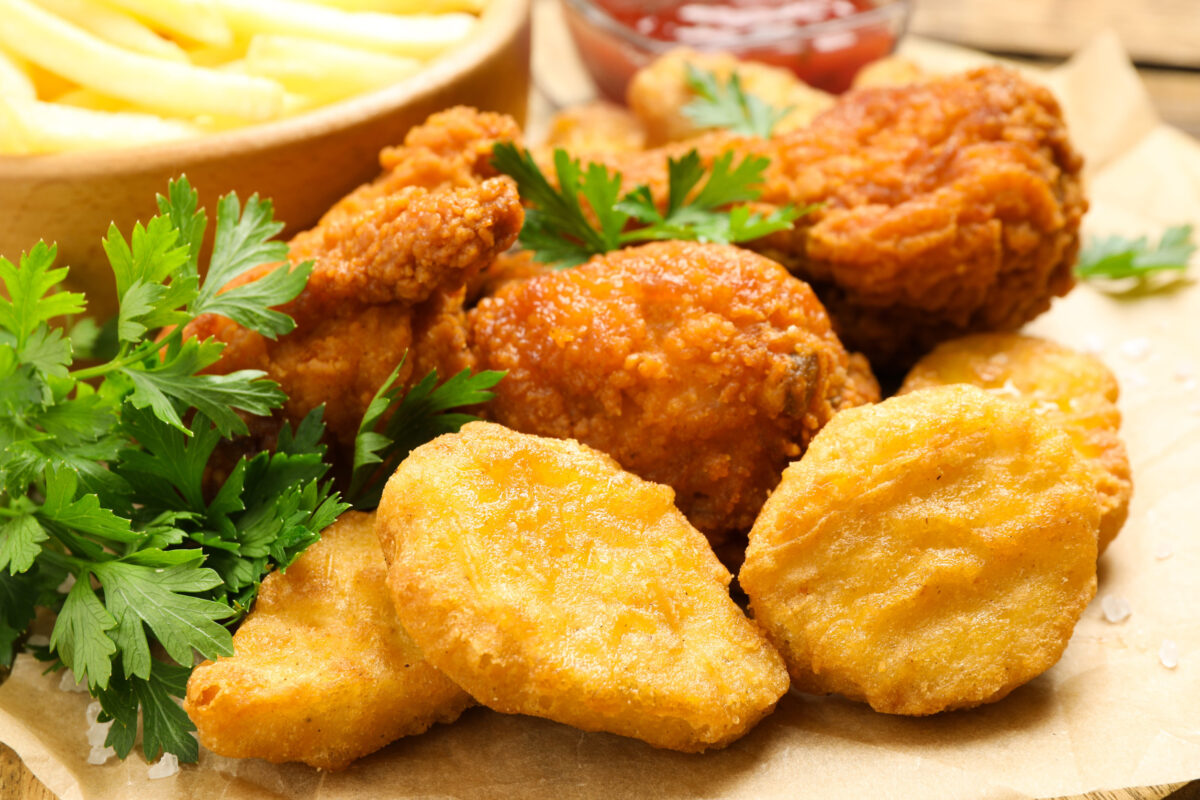
Fried chicken earns its place because it combines protein with a salty, crispy, fatty coating. The meat itself can be filling, but the crunchy crust is where the strongest craving lives. It delivers texture, seasoning, and fried flavor in a way that keeps each bite exciting.
The problem arises when fried chicken is part of a larger comfort meal. Biscuits, fries, sauces, coleslaw, soda, and oversized portions can turn it into a full craving festival. The food feels hearty and satisfying, but it can also become easy to overeat because the crisp coating keeps the brain interested long after the stomach has spoken.
Conclusion
The most addictive foods usually have one thing in common: they are designed to be easy, fast, flavorful, and emotionally comforting. Pizza, chocolate, chips, cookies, ice cream, fries, cheeseburgers, soda, cake, and fried chicken do not rely solely on hunger. They work through taste, texture, habit, memory, convenience, and reward.
That does not mean people need to fear every favorite food. It means we should understand the game before blaming ourselves for losing it. Whole foods tend to come with natural brakes like fiber, protein, water, and chewing effort, while ultra-processed foods often remove those brakes completely. Once we recognize which foods trigger the strongest cravings, we can enjoy food with more control, less guilt, and fewer surprise trips back to the kitchen.