11 Surprising Things About Cracker Barrel That Even Loyal Customers May Not Know
There is something unmistakable about walking into a Cracker Barrel. The rocking chairs, old-fashioned candy, wooden peg games, and comforting smell of freshly baked biscuits make the restaurant feel like a familiar roadside stop. But behind that country-store charm are some surprising stories that even regular customers might not know.
Founded in 1969, Cracker Barrel has grown into a chain with hundreds of locations across America. Its history includes an unexpected connection to gasoline, a massive antique collection, and a controversial attempt to modernize its image. Here are 11 fascinating details that reveal another side of this beloved restaurant.
The Gift Shop Brings in Hundreds of Millions
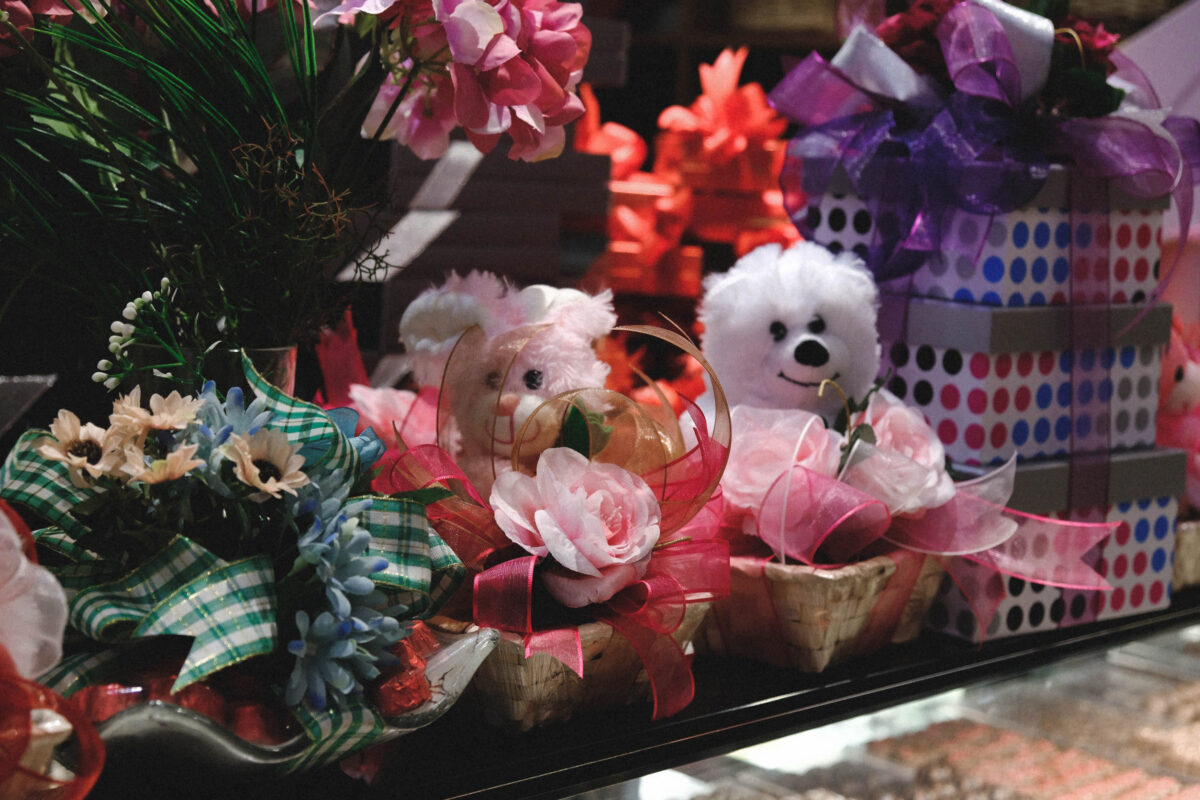
Those colorful gift shops aren’t just there to entertain customers while they wait for a table. According to Cracker Barrel’s 2026 annual report, retail sales generated approximately $616.9 million, representing 18.6% of total company revenue. That’s a substantial business built around rocking chairs, clothing, seasonal decorations, toys, and old-fashioned treats.
Apparel and accessories accounted for 32% of retail sales in fiscal 2026. Food products contributed another 19%, while toys represented 15%. Clearly, many customers leave Cracker Barrel with more than their restaurant leftovers.
Its Famous Peg Game Has Centuries of History
That little wooden triangle sitting on your table has a history stretching back hundreds of years. Cracker Barrel traces the game’s origins to European peg solitaire, which appeared in French records during the 1600s. The restaurant’s familiar version features 15 holes and challenges players to remove pegs until only one remains.
The original Cracker Barrel games were handcrafted by Ollie Qualls and his son Adrian in 1969. The family drilled holes and hand-stamped the wooden boards. What began as simple table entertainment became one of the chain’s most recognizable traditions.
The Antiques on the Walls Are Genuine
Those rusty farm tools and vintage advertisements aren’t simply decorations made to look old. Cracker Barrel says its collection includes approximately 700,000 historical pieces displayed across its restaurants. Its Lebanon, Tennessee, décor warehouse has housed more than 100,000 additional pieces of Americana.
The company’s warehouse history explains that it catalogs each item and assigns it a barcode. The collection includes farming equipment, advertising signs, musical instruments, and household antiques. Some pieces even date back to the 1800s.
Cracker Barrel Once Owned a Steakhouse Chain
Cracker Barrel’s history includes a surprising partnership with Logan’s Roadhouse. Its former parent company, CBRL Group, acquired the steakhouse chain in February 1999. For several years, the business operated both the country-style restaurant concept and the casual steakhouse brand.
The arrangement ended in December 2006 when CBRL sold Logan’s to private investors. The company announced the transaction was valued at approximately $486 million. Cracker Barrel subsequently concentrated on its original restaurant and retail business.
Related: chicago-stole-new-yorks-steakhouse-crown-and-meat-lovers-are-booking-flights-to-the-windy-city/
Its Rewards Points Can Expire
Cracker Barrel Rewards offers customers points known as Pegs for qualifying purchases. Members earn one Peg for every eligible dollar spent, with rewards available for food and retail merchandise. However, there are restrictions worth understanding before accumulating points.
According to the official rewards rules, accounts can hold a maximum of 500 Pegs, and members can earn up to 5,000 annually. Pegs expire 365 days after they’re earned. Purchases through third-party delivery services also don’t qualify.
Cracker Barrel Started With Gasoline
Long before biscuits became its calling card, Cracker Barrel had gasoline pumps. Founder Dan Evins worked in his family’s petroleum business before opening the first location in Lebanon, Tennessee, on September 19, 1969. He wanted to offer interstate travelers food, shopping, and a comfortable place to stop.
The concept worked well enough to inspire expansion. According to the company’s founder biography, the company eventually opened new locations without gasoline pumps after the 1970s oil embargo. By 1977, the chain had expanded to 13 restaurants stretching from Tennessee to Georgia.
Its Biscuit Production Is Remarkable
Biscuits have been central to Cracker Barrel’s identity since its earliest days. In a 2023 company blog post, Cracker Barrel reported serving more than 210 million biscuits annually. That historical figure illustrates the enormous scale of one of its signature menu staples.
The company also said it uses specially designed rolling pins and biscuit cutters. It makes its biscuits from scratch rather than buying ordinary packaged bakery products. Their slightly different shapes reflect the traditional preparation process.
Some Decorations Are Chosen for Local History
Two Cracker Barrel restaurants might look similar, but their walls can tell different stories. The company’s decorating team has traditionally selected antiques that reflect each community’s history. Each restaurant’s collection includes hundreds of pieces, some specifically tied to its region.
For example, Cracker Barrel’s Fort Payne, Alabama, location features items celebrating the area’s sock-manufacturing heritage. Its Rialto, California, restaurant displays a fireworks-related sign. These details help connect the familiar country-store setting with the surrounding community.
Its Restaurants Share Familiar Design Traditions
Consistency has always been an important part of Cracker Barrel’s identity. Stone fireplaces, rocking chairs, country-store displays, and nostalgic decorations help create a recognizable atmosphere. These familiar features make the restaurant experience distinctive across different locations.
That approach is documented in the company’s annual filings. The signature rocking chairs aren’t merely decorative because customers can use them while waiting for tables. They are also merchandise available through the gift shops.
Its CEO Previously Led Outback’s Parent Company
Cracker Barrel experienced a major leadership change in 2026. David Deno became president and chief executive officer on August 10, replacing Julie Felss Masino. He brought extensive experience from major restaurant and retail businesses.
Before joining Cracker Barrel, Deno served as CEO of Bloomin’ Brands, the parent company of Outback Steakhouse. His official biography also lists leadership roles at Best Buy, Yum! Brands, and Pizza Hut. His appointment followed a challenging period for the country-style restaurant chain.
A Logo Change Sparked a Major Backlash
In August 2025, Cracker Barrel introduced a simplified logo without its familiar Old Timer character. The redesign triggered widespread criticism from customers who preferred the traditional appearance. President Donald Trump also publicly encouraged the company to restore its previous branding.
Cracker Barrel reversed the logo change within days. On September 9, 2025, it also announced that it was suspending restaurant remodels after testing the modernized design at four locations. The episode showed how closely customers associate the brand with its nostalgic look.
Cracker Barrel’s story is about much more than biscuits and wooden rocking chairs. Its history reveals a company built around traditions that customers recognize and, in many cases, fiercely defend. Sometimes, the most interesting part of a familiar restaurant is the history hiding in plain sight.
Other articles you may like:
– 6-forgotten-desserts-from-grandmas-kitchen-that-deserve-a-comeback/
– these-10-restaurants-were-top-picks-for-baby-boomers-in-the-1980s-and-millennials-have-never-heard-of-them/