10 Signs Your City Could Disappear by 2030
Climate change isn’t just a future issue; it’s already here, and for some cities, the consequences are impossible to ignore. Rising seas, more frequent floods, and extreme weather are pushing coastal cities closer to the edge. While the situation might seem overwhelming, awareness is the first step in combating this looming crisis. The truth is, by 2030, some of the world’s most iconic cities might face challenges that make them uninhabitable.
Here’s a glimpse into the 10 signs that your city could be in serious trouble by 2030. These cities are fighting rising tides, but the odds may not be in their favor. Keep reading to see if your city is on the list.
You’re Surrounded by Water

Coastal cities like Jakarta, Indonesia, have already begun sinking due to excessive groundwater extraction, while sea levels steadily creep upward. By 2030, Jakarta could experience more severe flooding, as the city is already 40% below sea level. As flooding becomes a constant threat, life in the city may become untenable. Urban engineering alone may not be enough to save it, especially as sea levels continue to rise at an alarming rate.
Flooding Becomes Your New Normal
Bangkok, Thailand, is no stranger to flooding, but the situation is getting worse. The city is sinking rapidly, with some areas dropping by 2 centimeters per year. Combined with the rising sea levels and intense rainstorms, floodwaters now creep into streets more frequently than before. By 2030, large sections of the city could be unlivable, with residents navigating flooded streets more often than dry ones. Adaptation measures are necessary, but they seem to be falling short.
Your City’s Infrastructure Is Starting to Crack

Miami, USA, is a beautiful city, but it is also facing a reality that many aren’t ready to confront. Sunny-day flooding is becoming more common, with parts of the city now regularly underwater, even when it’s not raining. The city’s infrastructure, built decades ago, isn’t designed to handle the increased pressure from both rising seas and frequent flooding. The increasing need for infrastructure repairs and protection is a financial burden, and the city may soon face unmanageable costs.
The Storms Keep Getting Stronger
New Orleans, USA, is no stranger to hurricane wrath, but the effects of rising sea levels and diminishing levee effectiveness are making it more vulnerable than ever. Every hurricane season brings increased uncertainty about the city’s survival. By 2030, more frequent, more intense storms could lead to flooding that devastates neighborhoods, displaces thousands, and leaves lasting scars on the city’s infrastructure and economy.
You’re Watching Your City Sink, Literally
Venice, Italy, is perhaps the most iconic example of a city sinking beneath its own waters. Acqua alta floods have plagued the city for centuries, but in recent years, their frequency and severity have increased. The city’s complex network of canals may not be enough to keep the waters at bay for much longer. Despite the MOSE flood barriers, Venice’s future looks grim as sea levels rise, and its sinking land accelerates, making daily life even more difficult.
Your City’s Resources Are Running Out

Dhaka, Bangladesh, is dealing with an environmental nightmare. The city sits on a vast delta where rising sea levels, deforestation, and monsoon flooding are eroding its land. Coupled with rising population density and insufficient infrastructure investment, Dhaka is struggling to stay afloat. By 2030, Dhaka may struggle to keep its large population safe from flooding, making life in the city increasingly unsustainable.
It Feels Like the Weather Is Always Against You
Lagos, Nigeria, has faced flooding and drought for decades, but the pressures of rapid urbanization, climate change, and poor drainage systems are now overwhelming the city. Heavy rains and rising sea levels could make life increasingly difficult, especially in low-lying coastal areas. With floods becoming more frequent and destructive, parts of the city could become virtually uninhabitable by 2030, posing a major challenge for residents and government officials alike.
You’ve Got More Wetlands, But They’re Disappearing
Alexandria, Egypt, faces the dual threat of sea-level rise and land subsidence. The city is losing ground as the Nile Delta subsides and sea levels rise, overwhelming coastal defenses. The loss of wetlands, which act as natural flood buffers, could mean Alexandria faces more frequent inundations. By 2030, parts of the city may be unable to withstand rising tides, and millions of residents may be forced to relocate.
You’re Watching Your City Lose Its History
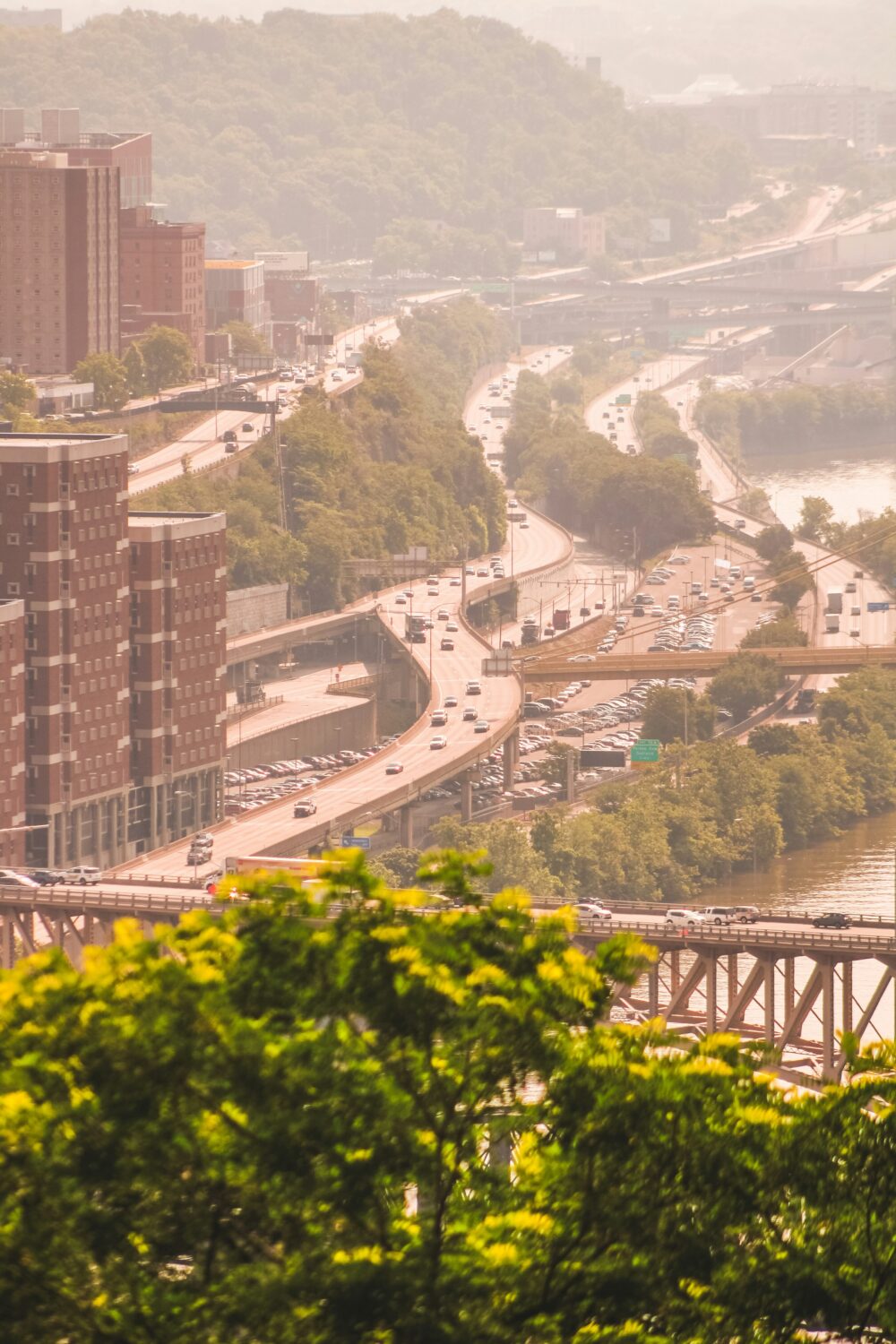
Ho Chi Minh City, Vietnam, is sinking at an alarming rate due to land subsidence and rising sea levels. With the Mekong Delta’s water levels rising, Ho Chi Minh is vulnerable to both flooding and long-term environmental damage. Historic sites are under threat, and the city’s infrastructure is already showing signs of stress. As floodwaters rise, the historical landmarks that make Ho Chi Minh City a cultural treasure might not survive to tell their story.
Your City Is Getting Too Expensive for Most to Live In
Shanghai, China, is a global hub of trade, culture, and innovation, but its low-lying coastal zones are increasingly vulnerable to rising sea levels and land subsidence. As the city faces more severe flooding and infrastructure strain, property prices in the most vulnerable areas are expected to skyrocket as fewer people can afford to live near the coast. As the cost of living rises with the water levels, Shanghai’s iconic skyline might become a place only the wealthy can enjoy, leaving millions of residents displaced.
Key Takeaway
As cities around the world face the increasing pressures of rising sea levels, climate change, and land subsidence, the fight to survive becomes harder with each passing year. These 10 cities are already witnessing the consequences of unchecked environmental pressures, and by 2030, they could face even more dire circumstances. It’s time to rethink how we approach urban planning and adaptation. The cities that make it will be the ones that start preparing now. Will your city be one of them?