8 Towns To Watch Out For Arizona’s Housing Market Pressure Skyrockets.
Arizona’s housing landscape is shifting again, but not in a simple upward line. Some markets are cooling, others are stabilizing, and a few are still tightening under population growth, job expansion, and limited land supply.
That mix creates a useful signal for buyers: the strongest price moves often begin when momentum is quiet, not when headlines are loud. Across the state, demand is being shaped by families chasing schools, retirees seeking tax-friendly living, remote workers prioritizing space, and employers expanding deeper into the Phoenix metro and northern Arizona corridors.
These eight towns stand out because each sits at least one major pressure point: population growth, job creation, land scarcity, lifestyle demand, or relative affordability compared to nearby markets.
Gilbert
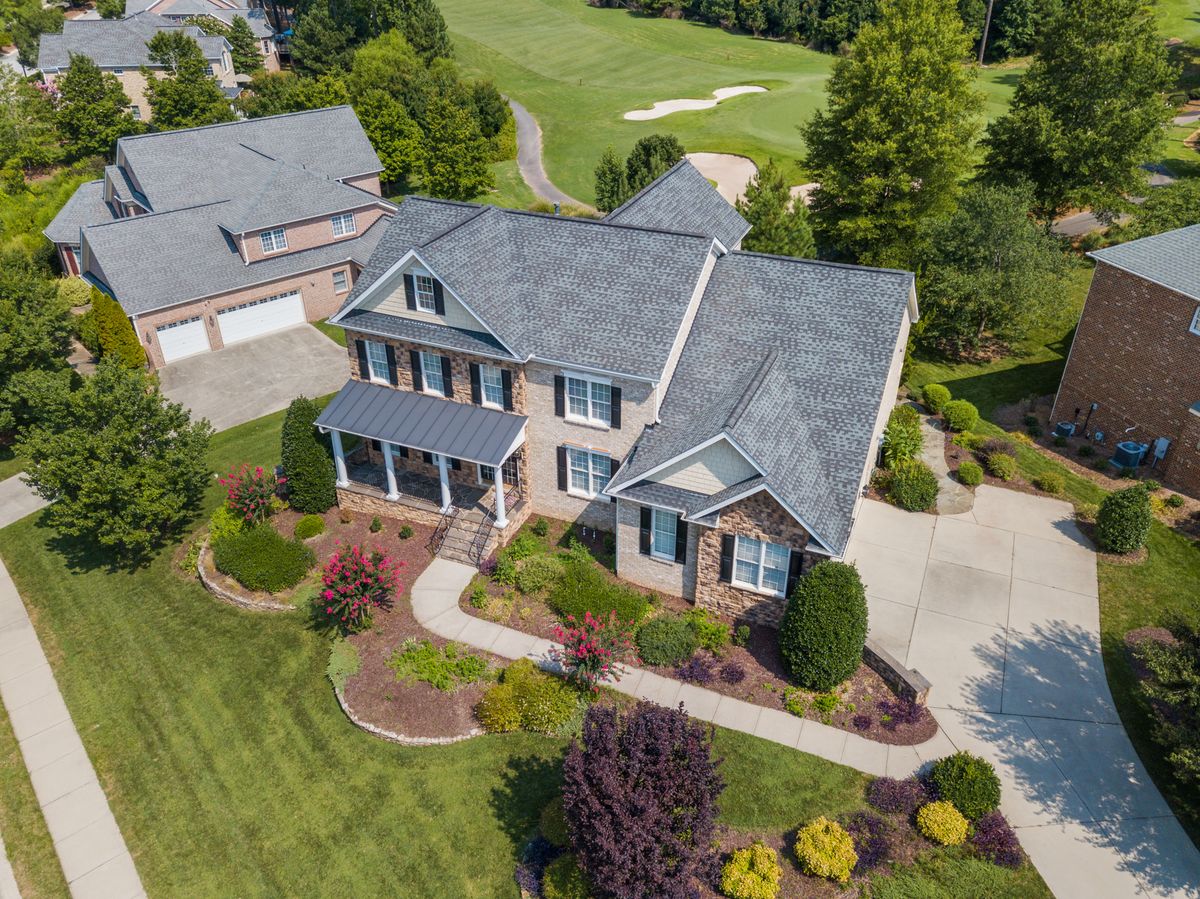
Gilbert remains one of Arizona’s most consistently in demand suburbs. Once agricultural land, it is now a polished family hub with strong schools, retail centers, parks, and steady commuter access to the East Valley job base.
Recent market data places median home prices in the mid-$500K range, keeping Gilbert below Scottsdale but firmly in the upper tier of suburban Arizona pricing. Even with higher borrowing costs, demand has stayed resilient due to strong household incomes and long-term neighborhood stability.
The key driver is replacement demand. Buyers moving out of pricier nearby cities often end up in Gilbert, keeping competition active even during softer cycles.
Flagstaff
Flagstaff operates on a completely different housing logic than Phoenix suburbs. Its appeal comes from cooler weather, forest surroundings, Northern Arizona University, and a strong outdoor recreation economy.
Home prices sit well above many Arizona averages, reflecting both limited buildable land and consistent demand for the lifestyle. Even when short-term price trends flatten, inventory remains structurally tight due to geographic constraints and environmental limits.
The town’s long-term value support comes from scarcity. There is only one Flagstaff, and its mix of education, climate, and recreation continues to attract buyers willing to pay for access.
Queen Creek
Queen Creek has transformed from a quiet outskirt into one of the fastest-growing residential zones in the East Valley. New subdivisions, expanding retail corridors, and school development have reshaped the town’s identity in less than a decade.
Median prices sit in the low-to-mid $600K range, but the more important signal is population growth. Census trends show steady expansion driven by families seeking newer homes and larger lots than central Phoenix offers.
The long-term question is infrastructure balance. As growth continues, water access, traffic flow, and commercial development will determine how smoothly pricing pressure builds.
Paradise Valley
Paradise Valley is Arizona’s most exclusive residential pocket, defined by large estates, mountain views, and extreme land scarcity between Phoenix and Scottsdale.
Median home prices sit above $4 million, placing it in a completely separate category from surrounding markets. Demand is driven by wealth migration, privacy seekers, and luxury buyers prioritizing location over cost sensitivity.
Price movement here is less about volume and more about land replacement value. Once available parcels are developed, the supply pipeline tightens further, reinforcing long-term price resilience.
Goodyear
Goodyear is becoming a major West Valley growth node, supported by logistics expansion, industrial development, and increasing corporate land use. A major catalyst is ongoing tech and data center expansion, including recent large-scale land acquisitions by major firms.
Median home prices remain under $500K in many segments, making it one of the more accessible entry points in the Phoenix metro area relative to income growth potential.
Its price trajectory is closely tied to employment. As jobs expand westward, housing demand typically follows, especially in master-planned communities with new construction inventory.
Chino Valley
Chino Valley offers a slower-paced alternative to high-growth metro suburbs. Located near Prescott, it attracts buyers looking for space, affordability, and proximity to outdoor recreation.
Home prices remain significantly lower than Phoenix-area averages, with many properties still reflecting small-town valuation structures. However, demand has been gradually increasing due to retirees, remote workers, and buyers seeking northern Arizona alternatives.
The market moves more slowly, but consistent absorption of listings suggests steady underlying demand rather than speculative spikes.
Chandler
Chandler is one of Arizona’s most established employment-driven suburbs, supported by technology firms, manufacturing, and strong commuter infrastructure.
Home prices typically sit in the low-to-mid $500K range, though recent trends show slight cooling from peak levels. That creates a cyclical opportunity for buyers to enter a mature market with reduced competition relative to previous highs.
Its long-term strength comes from employment density. Tech corridors and corporate campuses help stabilize housing demand even during broader market shifts.
Show Low: Mountain Market With Seasonal and Remote Demand
Show Low sits in Arizona’s White Mountains and appeals to buyers seeking cooler climates, outdoor recreation, and a more relaxed pace of life.
Home values remain more affordable than in major metro regions, but steady appreciation reflects increasing interest from retirees and remote workers. The area’s appeal is strongly tied to lifestyle rather than employment hubs.
Seasonality plays a role in pricing behavior, but long-term demand has been supported by migration from hotter and more crowded regions of Arizona.
What Is Driving Price Movement Across These Markets
Arizona’s housing pressure is no longer concentrated in a single metro pattern. Instead, multiple demand streams are overlapping.
Suburban markets like Gilbert, Chandler, and Queen Creek are shaped by school systems, commute access, and family migration. These areas tend to hold value due to consistent buyer pools and strong income levels.
Goodyear represents employment-led expansion, where infrastructure and corporate land use influence long-term housing demand.
Flagstaff, Show Low, and Chino Valley reflect lifestyle migration, where climate, recreation, and space become the primary drivers rather than job proximity alone.
Paradise Valley stands apart entirely, driven by wealth concentration and land scarcity rather than traditional affordability cycles.
Market Signals Buyers Should Watch
In Gilbert and Chandler, pricing stability depends on whether demand from established households continues to offset higher borrowing costs.
In Queen Creek, infrastructure timing matters. Housing expansion will continue to track water planning, retail growth, and transportation upgrades.
In Goodyear, job announcements and industrial expansion remain the clearest indicators of future housing pressure.
In Flagstaff and Show Low, inventory scarcity and lifestyle migration patterns will shape long-term pricing strength more than short-term fluctuations.
In Chino Valley, affordability relative to nearby Prescott and northern Arizona remains the central driver of demand.
In Paradise Valley, land availability and luxury migration patterns determine pricing direction more than broader market cycles.
Across all eight markets, the shared pattern is simple: demand is spreading outward, not shrinking inward. That outward pressure is what gradually reshapes pricing over time.