Google’s Mosquito Release Sparks Alarm: 32 Million Insects Could Backfire in California and Florida
Google’s plan to release 32 million lab-bred mosquitoes across California and Florida is raising alarm among scientists, ecologists, and concerned residents alike. Marketed as a disease-control initiative, the move is part of the Debug project, developed by Verily, Alphabet’s life sciences arm. While the company frames it as a way to “stop bad bugs with good bugs,” experts warn that introducing millions of genetically modified insects could unleash a cascade of ecological, health, and social risks that authorities may not fully anticipate.
The Mechanism

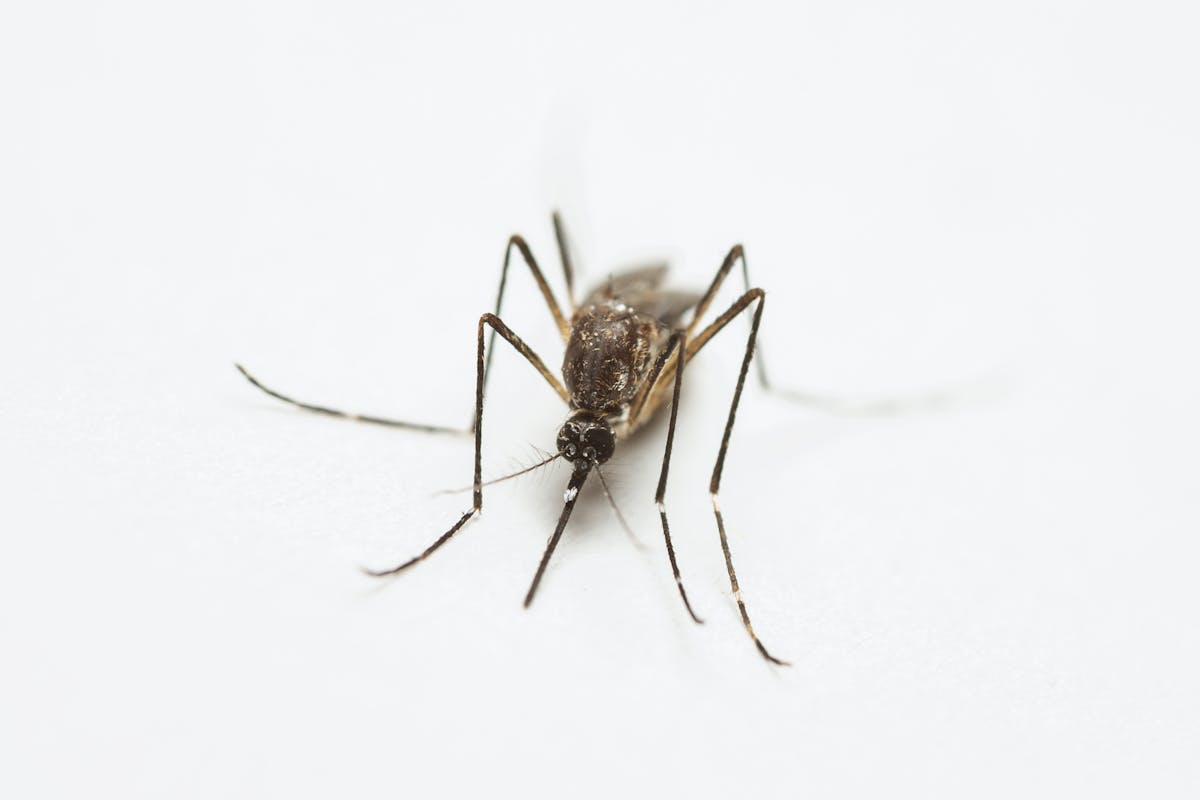
Debug’s strategy revolves around releasing male mosquitoes infected with Wolbachia, a naturally occurring bacterium. These males cannot bite or transmit disease, but when they mate with wild females, the resulting eggs fail to hatch. On paper, this reduces populations of mosquitoes responsible for West Nile virus, Zika, dengue, and Chikungunya.
Yet, the scale is unprecedented, 16 million mosquitoes in Florida the first year and another 16 million in California the next. Critics point out that releasing tens of millions of insects into densely populated, ecologically diverse areas may create unforeseen consequences, including disrupting local food webs, altering predator-prey relationships, and triggering adaptive responses in wild mosquito populations.
Escalating Ecological and Health Risks
While Debug promises population control, the real-world impact may be more ominous than advertised. Ecological Imbalance, Millions of sterile males could reduce prey for birds, bats, and other insectivores, potentially creating gaps in local ecosystems. Wolbachia Spread, Even though the bacterium is naturally occurring, large-scale releases could alter insect genetics or behavior in unpredictable ways.
Human Exposure Anxiety, residents may panic at the sudden swarm, even if male mosquitoes don’t bite, exacerbating social stress and mistrust. Urban Efficacy Uncertainty Dense urban landscapes with standing water and microclimates may make the method less effective, leaving populations unchecked. Experts caution that small successes in controlled trials do not always translate to massive urban releases. Past interventions in other countries have sometimes led to mosquito rebounds or behavioral shifts that negate initial benefits.
Public Trust and Regulatory Hurdles
The Environmental Protection Agency (EPA) is reviewing an Experimental Use Permit (EUP) for the project, and local communities are demanding transparency. Public fear is mounting over potential side effects, including increased mosquito-related anxiety and complaints. Potential interactions with other insect populations, including pollinators.
Legal and liability concerns if unintended consequences occur. Local governments in California and Florida are scrutinizing the plan amid concerns that citizens are being treated as unwitting test subjects in a large-scale ecological experiment.
Technical Promises vs. Reality
Verily emphasizes that the release is not genetic engineering; it uses naturally infected males combined with data analytics and automation to monitor populations. Supporters argue it could prevent thousands of cases of mosquito-borne illness annually. But detractors warn that the narrow focus on population suppression ignores broader consequences, including potential resistance in mosquito populations.
Predatory species are affected by the decline in mosquito populations. Possible public backlash if nuisance insects spike temporarily before population collapse. Unknown interactions with climate, local flora, and other disease vectors.
The Human Element

Even if scientifically sound, the plan faces social resistance. Releasing 32 million mosquitoes into areas where millions of people live carries psychological and reputational risks for Google. Residents may perceive the initiative as reckless or invasive, particularly given the lack of comprehensive long-term studies.
Public engagement and education will be critical, yet skeptics argue that digital dashboards and town halls cannot fully mitigate distrust when the core strategy involves intentionally flooding communities with insects.