10 California Regions Where Wildfire Smoke Can Turn Dangerous Fast
Wildfire smoke does not need an invitation to enter a city. It drifts over hills, slides through valleys, stains the sky, and turns ordinary outdoor plans into health decisions before many people even smell the fire.
Across California, active fire danger has become more than a rural emergency. It now affects commuters, parents, outdoor workers, tourists, seniors, students, and families who live far from flames but close enough to breathe the smoke.
We have to stop thinking of wildfire warnings as a problem only for people standing near fire lines. In many California regions, smoke can travel faster than public fear, and poor air quality can arrive before evacuation orders. These are the places where residents should pay close attention when wildfires and wind begin working together.
Los Angeles Basin

The Los Angeles Basin is one of the most vulnerable places for wildfire smoke because millions of people live close to mountains, canyons, freeways, schools, and dense neighborhoods. When smoke moves into this basin, it can linger over communities that already deal with heavy traffic pollution and hot weather. That mix can make the air feel heavier, especially for children, seniors, people with asthma, and anyone who spends long hours outside.
We also have to remember that Los Angeles smoke warnings do not always mean flames are nearby. A fire burning in Ventura County, the San Gabriel Mountains, Malibu hills, or the Inland Empire can still send haze into the basin. That is why people in downtown Los Angeles, the San Fernando Valley, Pasadena, Long Beach, and nearby suburbs should check the air quality before outdoor exercise, school sports, or long commutes.
San Fernando Valley
The San Fernando Valley can trap heat and smoke in a way that makes wildfire air feel especially harsh. Communities such as Burbank, Van Nuys, Northridge, Encino, Woodland Hills, and Chatsworth sit near hillsides and corridors where wind can push smoke into crowded neighborhoods. On bad air days, the valley can feel like a bowl holding smoke close to the ground.
We should watch this region closely when fires burn near the Santa Monica Mountains, Ventura County, or the northern edge of Los Angeles County. Even if the sky looks only slightly gray, fine particles can still irritate the lungs and eyes. Residents should keep windows closed, run filtered air when possible, and avoid treating smoky evenings like normal summer nights.
Ventura County
Ventura County has the kind of landscape that makes wildfire smoke a recurring threat. Dry hills, open space, canyon roads, and strong wind patterns can turn a local fire into a regional air quality problem. Simi Valley, Thousand Oaks, Camarillo, Moorpark, Oxnard, and Ventura can all feel the impact when smoke shifts across the county.
We need to take Ventura County’s smoke warnings seriously because the region’s smoke can affect neighboring areas, too. Smoke from fires around Simi Valley or nearby can drift into Los Angeles County, while coastal winds can move haze toward beach communities. Residents should keep go-bags ready during high fire weather and treat poor air quality as a warning sign, not just an inconvenience.
Orange County Hills
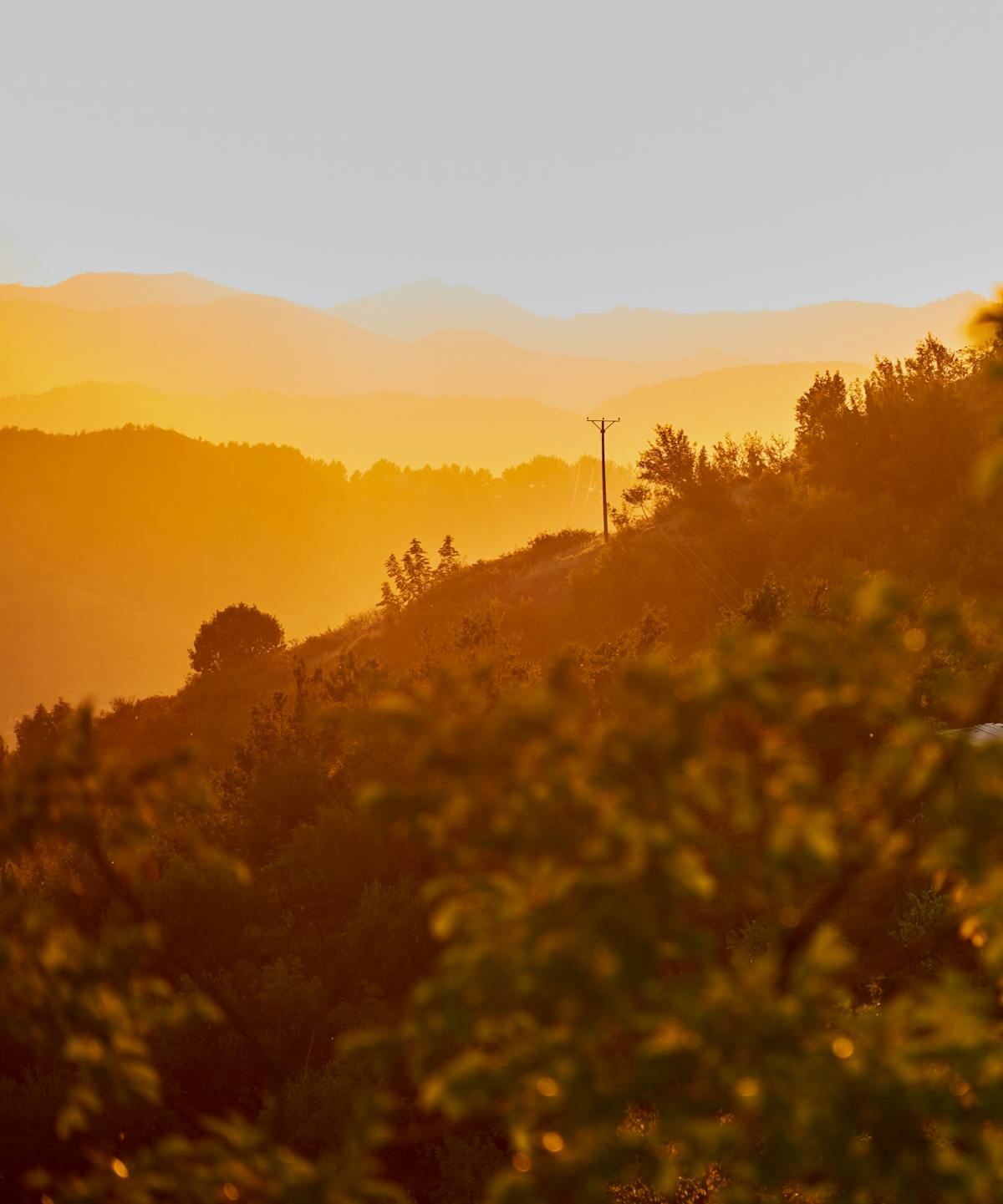
Orange County may look coastal and comfortable, but its hillside communities face a serious wildfire smoke risk. Irvine, Anaheim Hills, Yorba Linda, Mission Viejo, Laguna Niguel, and nearby canyon areas sit close to brush and open spaces that can burn quickly under dry conditions. When fires start near canyons or inland hills, smoke can move toward homes, schools, shopping centers, and beaches.
We should not assume coastal air will always clear the smoke. Wind shifts can push haze toward the coast or trap it inland, depending on the day. Families in Orange County should check local fire alerts during red flag weather, keep indoor air cleaner during smoky periods, and avoid outdoor workouts when the air smells burned or looks hazy.
Inland Empire
The Inland Empire faces a difficult wildfire smoke problem because heat, dry land, and valley geography often work against clean air. Riverside, San Bernardino, Fontana, Moreno Valley, Ontario, Redlands, and nearby communities can see smoke settle when fires burn in foothills, mountains, or open brush areas. During hot days, the air can feel thick even before official readings look alarming.
We should be especially careful in this region because wildfire smoke can combine with existing pollution, making breathing harder. Outdoor workers, delivery drivers, warehouse employees, landscapers, and school athletes may face long exposure during unhealthy air days. When the AQI rises, outdoor activity should be reduced, and anyone with breathing problems should move indoors early.
Riverside County
Riverside County has a wide wildfire smoke footprint because it stretches across cities, foothills, desert communities, and fast-growing suburbs. Places such as Perris, Hemet, Temecula, Lake Elsinore, San Jacinto, and Palm Springs can all face smoke from fires burning in dry grass, brush, or mountain terrain. The distance between towns does not always protect residents when the wind carries particles across the region.
We should pay attention to this county because heat can make smoke exposure feel worse. People may already be using air conditioning, limiting outdoor time, and dealing with dry air. When wildfire smoke enters the picture, residents need to protect indoor air quality, avoid unnecessary driving through smoky zones, and watch for coughing, headaches, irritated eyes, and shortness of breath.
San Bernardino Mountains
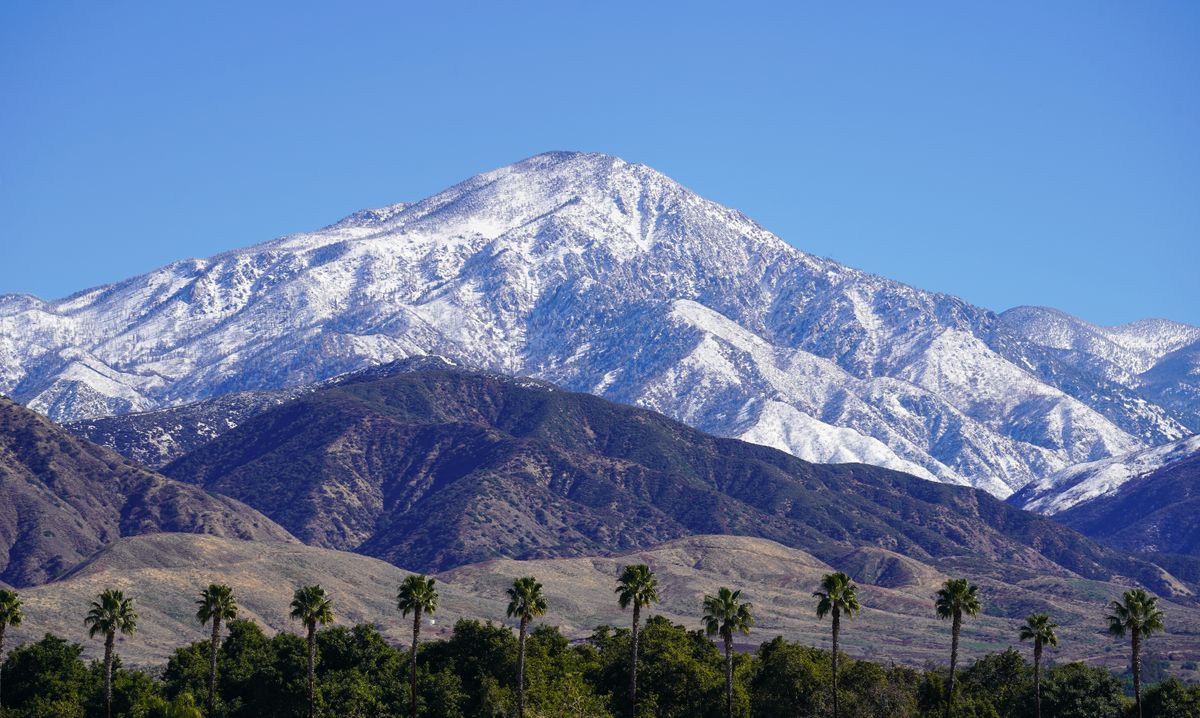
The San Bernardino Mountains are beautiful, but they also sit inside one of California’s most fire-sensitive zones. Mountain communities such as Big Bear, Running Springs, Lake Arrowhead, Crestline, and nearby areas can face sudden smoke problems when fires burn through steep terrain. Roads can quickly become crowded if evacuation warnings become serious.
We should treat smoke in mountain communities as both a health risk and a travel warning. Thick smoke can reduce visibility, slow emergency response, and make driving dangerous. Visitors should avoid casual trips into smoky mountain areas, and residents should keep fuel, medication, documents, pet supplies, and evacuation routes ready before fire conditions worsen.
Central Valley
The Central Valley can suffer from wildfire smoke even when major fires burn far away. Fresno, Bakersfield, Modesto, Merced, Visalia, and nearby farming communities can see smoke settle in the valley and linger when air movement is weak. The geography makes it easier for pollution to collect and harder for smoke to clear quickly.
We need to consider farmworkers and outdoor laborers in this region, as they may be exposed for hours. Agriculture, construction, delivery, and road work do not stop just because the air turns smoky. Employers and families should monitor PM2.5 levels, provide proper masks when needed, and move strenuous tasks indoors or to safer hours when possible.
Sierra Foothills
The Sierra foothills are among the California regions where wildfire danger can change fast. Communities near Auburn, Grass Valley, Placerville, Sonora, Mariposa, and surrounding wooded areas often sit close to dry vegetation and narrow roads. When fires ignite in these areas, smoke can fill valleys, drift toward towns, and create dangerous conditions before people have much time to react.
We should respect this region’s fire history and prepare early. Residents need defensible space, emergency alerts, evacuation plans, and clean indoor air options before the peak of the smoke season. A small fire in steep terrain can grow quickly, and smoke from a distant fire can still make daily life harder for people with heart or lung conditions.
Northern California Fire Zones
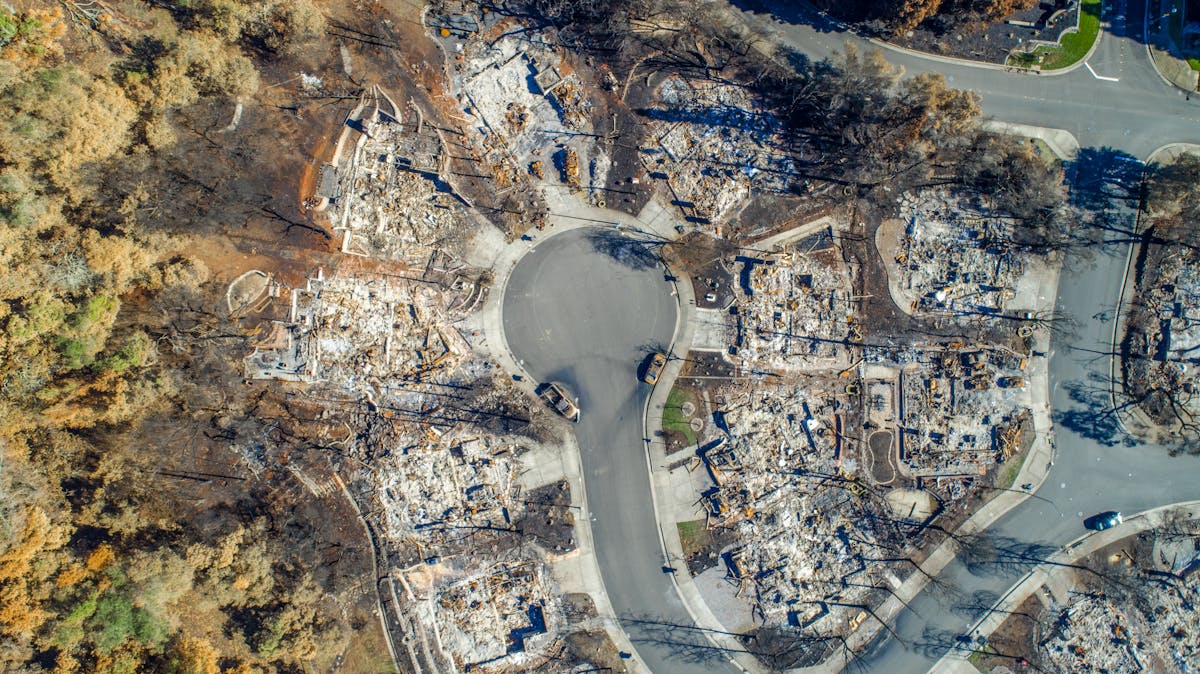
Northern California faces serious smoke concerns because large rural landscapes, forests, and foothills, along with wind patterns, can spread fire impacts over wide distances. Areas around Shasta, Siskiyou, Trinity, Butte, Mendocino, and nearby counties can experience smoke from local fires or from fires burning elsewhere in the region. Once smoke enters valleys and towns, it can disrupt schools, travel, outdoor work, and medical routines.
We should not treat Northern California smoke warnings as seasonal background noise. Repeated exposure to smoke can wear people down, especially when unhealthy air lasts for several days. Residents should use official fire maps, monitor evacuation alerts, check AQI readings, and create a clean, filtered-air room at home when possible.
Why Smoke Warnings Matter Even When Flames Are Far Away
Wildfire smoke is dangerous because the smallest particles can travel deep into the lungs. These particles, often called PM2.5, can worsen asthma, trigger coughing, irritate the throat, and place stress on the heart and lungs. Children, older adults, pregnant people, outdoor workers, and anyone with heart or breathing problems need extra protection during smoky periods.
We should also remember that smoke can enter homes through cracks, vents, open windows, and poorly filtered systems. A home can smell normal and still hold unhealthy particles if smoke has been drifting for hours. Closing windows, using clean filters, running portable air purifiers, and avoiding candles, fireplaces, smoking, and heavy frying can help keep indoor air safer.
What Californians Should Do During Wildfire Smoke Alerts
The smartest response begins before the sky turns orange. We should check AQI readings, sign up for local emergency alerts, keep N95 masks on hand, and know which room in the house can serve as a cleaner-air space. People who rely on inhalers, oxygen, heart medication, or other essentials should keep supplies ready during wildfire season.
When smoke arrives, we should reduce outdoor activity, bring pets indoors, keep children from heavy outdoor play, and use recirculated air in vehicles. If officials issue evacuation orders, we should leave early rather than wait for smoke, traffic, or flames to block the route. Wildfire smoke is not just a smell in the air. It is a warning that the body, the home, and the whole community need protection.
California wildfire smoke warnings are now part of life across many regions, from crowded city basins to quiet mountain towns. The danger is not always dramatic at first, which makes it easy to underestimate. A hazy sky, a scratchy throat, or a sudden campfire smell can be the first sign that the air has changed.
We cannot control the wind, but we can control how prepared we are. Checking air quality, protecting indoor air, keeping emergency supplies ready, and taking smoke seriously can reduce risk before conditions become dangerous. In California, fire season is also smoke season, and the regions that prepare early are the ones most likely to breathe easier when the next warning arrives.