Trump Moves to Strengthen U.S. Food Supply With New Regenerative Agriculture Order
For many farmers, the biggest fight right now is not political. It is practical. It is the cost of fertilizer, fuel, equipment, chemicals, labor, and the growing pressure to produce more food without draining the land that makes that food possible.
That is why President Donald Trump’s new executive order on regenerative agriculture is getting attention far beyond Washington. Signed on June 25, 2026, the order aims to push federal agencies toward farming practices that improve soil health, support rural economies, and strengthen the nation’s food supply.
For families who shop at grocery stores, the issue may sound distant. But the connection is simple. If farms become more expensive to run, food often becomes more expensive to buy. If soil becomes weaker, yields can become harder to protect. If farmers have fewer tools, local communities built around agriculture can feel the squeeze.
What happened
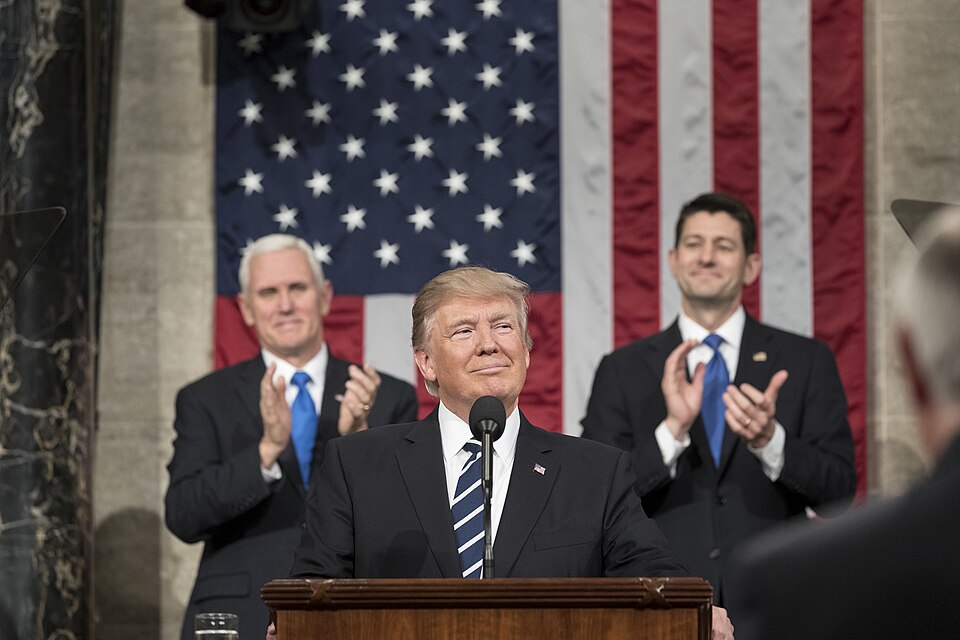
Trump signed the executive order during a week when agriculture was already at the center of the administration’s agenda. The order directs the U.S. Department of Agriculture, the Department of Health and Human Services, and the Environmental Protection Agency to conduct research and develop partnerships related to regenerative agriculture.
Regenerative agriculture is a broad farming approach that focuses on restoring soil, reducing erosion, improving water retention, and making farms more resilient over time. Common practices can include cover crops, crop rotation, reduced tillage, compost use, livestock integration, and other methods aimed at rebuilding the natural strength of farmland.
The administration says these practices can help farmers lower input costs, use chemicals more efficiently, protect yields, increase market value, and open access to new markets.
The order also calls for research into cumulative chemical exposure in the food supply. That part of the move may draw attention from both farmers and consumers because it connects agriculture policy with public health, food safety, and long-term questions about how food is grown.
At a White House dinner with farmers, Trump said his administration was working to make farming “better and easier” for producers. The message was clear: this order is being presented not just as an environmental action, but as an economic one.
Why locals care
In farm towns, a federal order like this does not stay on paper. It can affect grant opportunities, pilot programs, conservation planning, crop decisions, equipment purchases, and the way farmers think about future markets.
That matters in communities where a farm is not just a business. It is often a family inheritance, a local employer, a fuel customer, a machinery buyer, a grain elevator partner, and a major part of the tax base.
When farmers struggle, nearby small businesses often feel it too. The mechanic who fixes tractors, the feed store, the diner by the highway, the local bank, and the school district can all be connected to the health of the farm economy.
This is also why food supply security has become a bigger national conversation. Americans have already lived through empty shelves, supply chain disruptions, higher grocery bills, and global conflicts that can push up fuel and fertilizer costs. A policy that claims to make farms more resilient naturally gets public attention.
The bigger background
The order comes as the administration is also seeking additional relief for farmers. Trump asked Congress to approve about $11 billion in supplemental farm aid, with much of it aimed at helping producers facing high input costs.
That detail matters because regenerative farming is not always cheap to start. Cover crops cost money. New equipment can be expensive. Changing soil management practices can take time. Farmers may need technical support before they can confidently shift how they plant, spray, graze, or harvest.
The USDA’s Regenerative Agriculture Pilot Program is already a major part of this effort. According to USDA figures cited in reports on the order, the program has completed more than 67,000 whole-farm conservation plans covering more than 49 million acres. It has also produced more than 1,500 conservation contracts valued at more than $200 million.
Those numbers show the policy is not just about speeches. There is already a large federal machinery behind it, and the executive order appears designed to expand that reach.
Another major piece is the USDA’s final Regenerative Feedstock Rule, which aims to help farmers connect regenerative practices to biofuel markets. In plain English, that means farmers growing crops such as corn, soybeans, sorghum, and spring canola may be able to earn more value if their production methods qualify under the new framework.
Agriculture Secretary Brooke Rollins described the approach as market-driven, saying the goal is to create opportunities rather than mandates.
That distinction will matter politically. Many farmers are open to practices that improve soil and reduce costs, but they are often wary of federal rules that feel like one-size-fits-all orders from Washington.
This order puts a national spotlight on a question many rural Americans have been asking for years: Can the country make farming more profitable while also making the land healthier?
What happens next
The next step is implementation. Federal agencies will have to translate the order into research plans, program expansions, public-private partnerships, and regulatory reviews.
The USDA will be expected to expand the regenerative pilot program and share results with farmers, industry groups, and other stakeholders. The EPA will review alternative crop protection tools and examine certain pre-harvest uses to ensure safety and labeling standards are met.
Congress will also play a role if the requested farm aid moves forward. Without funding, some parts of the broader farm support effort could face limits.
For farmers, the practical question will be whether the new push brings real help to the ground: technical assistance, reliable markets, fair access for small and midsize farms, and enough flexibility for different crops, regions, climates, and soil types.
Why it matters
The story is bigger than one executive order. It is about whether America can build a food system that is cheaper to operate, healthier for the land, and strong enough to withstand economic shocks.
Farmers are being asked to do a lot at once. Produce affordable food. Protect soil. Reduce costs. Meet consumer expectations. Compete in global markets. Survive unpredictable weather. Handle political fights over trade, energy, and regulation.
Trump’s regenerative agriculture order does not solve all of that overnight. But it does move the conversation into a more urgent place.
For rural America, the promise is simple: healthier soil, stronger farms, and more ways for farmers to make money. The test will be whether that promise reaches actual fields, actual families, and actual grocery bills.