10 Foods That Have Been Fooling You Your Entire Life
Food names are supposed to make life easier. You see the name, you know roughly what you are about to eat, and everyone moves on happily.
Except food names are sometimes spectacularly misleading.
Some famous dishes are named after places they did not come from. Others contain none of the ingredients their names seem to promise. A few have origin stories so messy that even the popular “fun fact” about them is wrong.
Here are 10 foods that deserve a serious identity check.
Fortune Cookies Aren’t Really Chinese
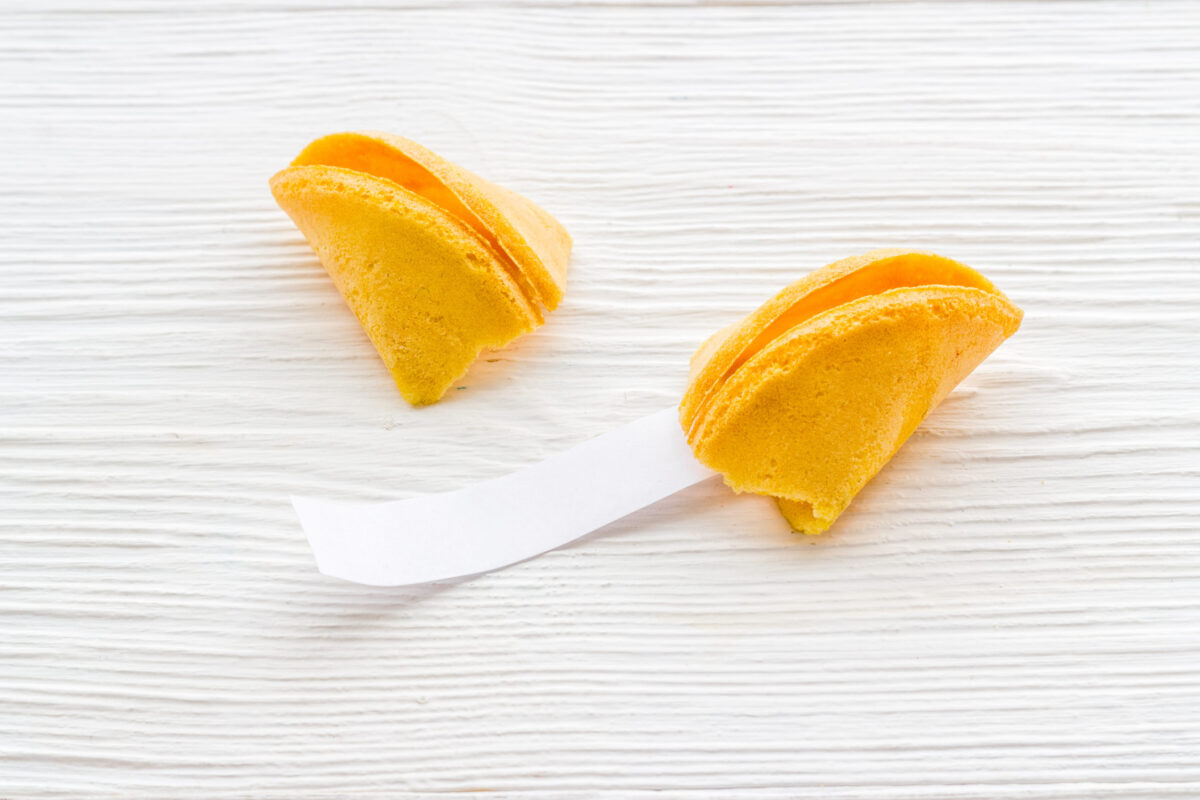
That little cookie at the end of your Chinese takeout meal feels completely at home there, but its history is more complicated.
The modern fortune cookie developed in the United States from Japanese confectionery traditions. Early Japanese American businesses in California produced similar cookies, while Chinese American restaurants later helped turn them into the familiar after-dinner tradition we know today.
The exact inventor is disputed, so it is safer not to credit one person. What we can say is that the cookie became deeply associated with Chinese American restaurants even though its roots point elsewhere.
German Chocolate Cake Isn’t German
Germany has been getting credit for this cake for years, and it really should not.
The word “German” refers to Samuel German, the baker who developed a sweet baking chocolate for Baker’s Chocolate Company in 1852.
Decades later, recipes using German’s Sweet Chocolate helped make the cake famous in the United States.
Then came the punctuation problem.
“German’s chocolate cake” gradually became “German chocolate cake.” Once the apostrophe disappeared, the dessert suddenly sounded like a proud German national specialty.
One missing punctuation mark created generations of dessert confusion.
Hawaiian Pizza Isn’t Hawaiian
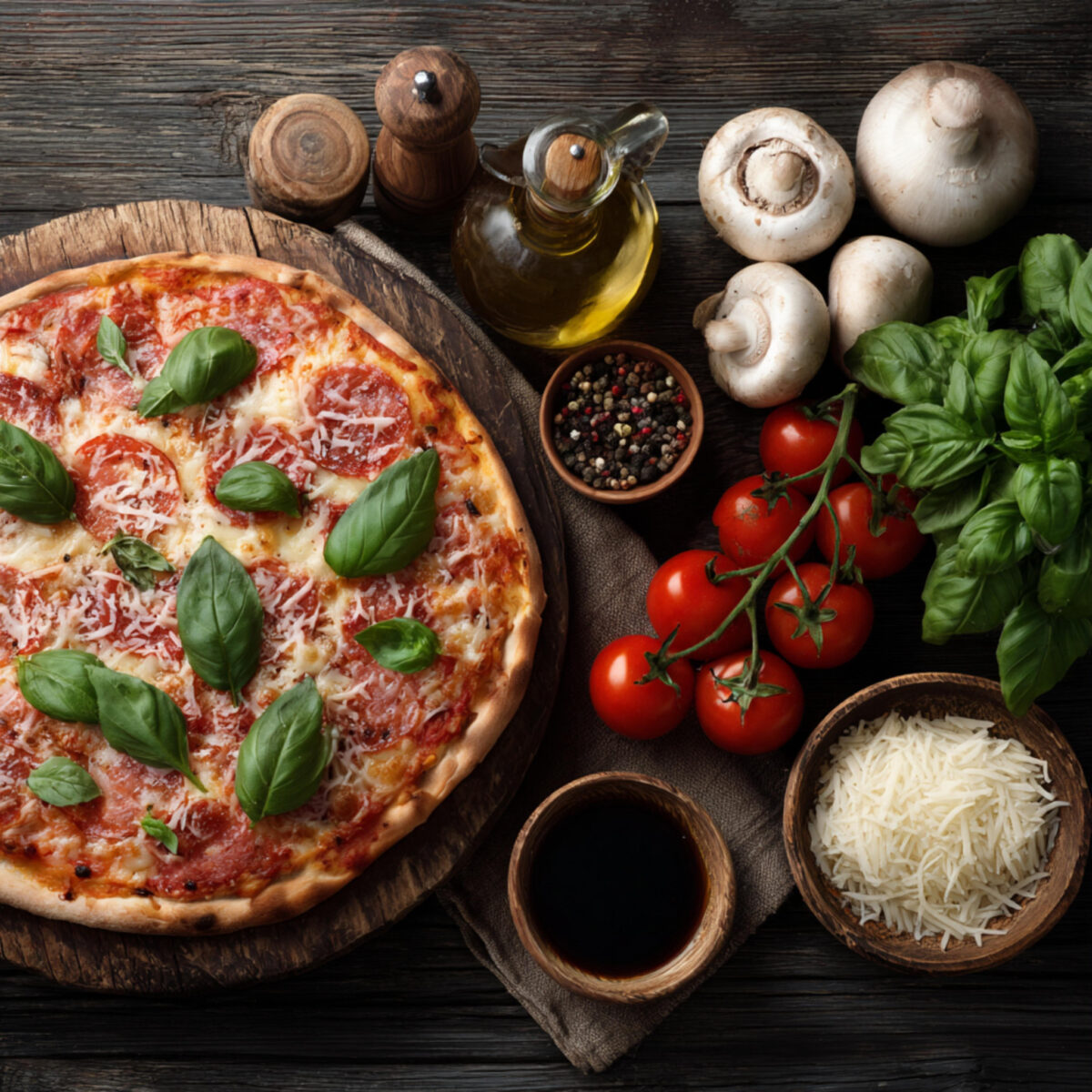
Hawaiian pizza may have one of the most international backstories in food history.
The version most people recognize today is strongly associated with Sam Panopoulos, a Greek-born restaurateur who ran a restaurant in Ontario, Canada. In the early 1960s, he helped popularize the now famous combination of ham and pineapple.
The name “Hawaiian” reportedly came from the canned pineapple brand being used, not from the pizza being invented in Hawaii.
Evidence shows pineapple appeared on pizza before Panopoulos, so calling him the unquestioned inventor would be too strong. Still, his Canadian restaurant version played a major role in making the combination famous.
Related: Dishes That Aren’t From the Place They’re Named After
Egg Cream Contains No Egg or Cream
An egg cream sounds like it should contain at least one of those things.
It contains neither.
The classic New York drink is usually made with milk, chocolate syrup, and seltzer.
That is it.
Even stranger, historians still disagree about where the name came from. Some theories connect it to older drinks that really did contain eggs or cream. Others suggest language and pronunciation may have played a role.
The only thing everyone can agree on is that ordering an egg cream based purely on the name is a risky strategy.
Related: Top 6 Foods That Deliver More Protein Than Eggs
Chinese Chicken Salad Isn’t a Traditional Chinese Salad
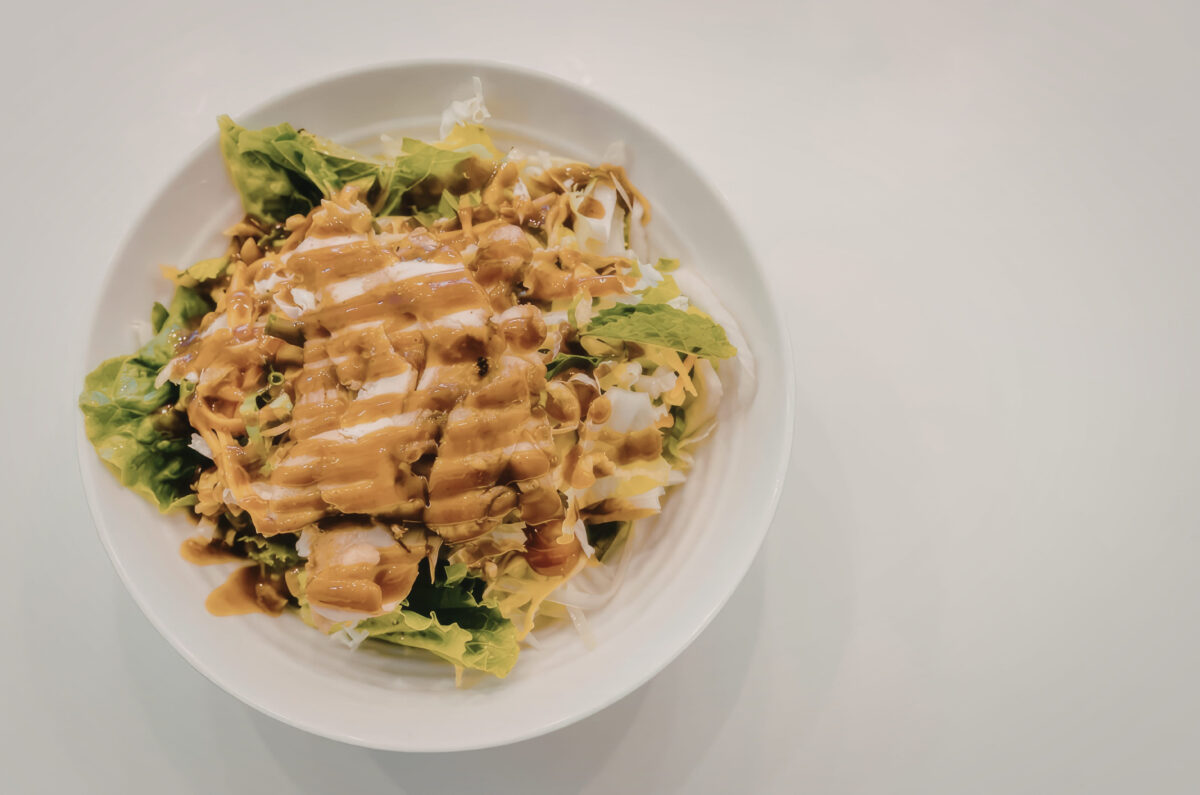
Chinese chicken salad sounds like something you might find on menus throughout China.
You generally will not.
The version familiar in the United States is better understood as a Chinese American or California fusion dish. Typical versions combine shredded chicken, lettuce or cabbage, crunchy noodles or wonton strips, nuts, and a sweet sesame-style dressing.
Southern California restaurants helped make the salad fashionable, while later chefs popularized their own upscale interpretations.
Chinese cuisine certainly includes cold chicken dishes and sesame-based preparations, but the American restaurant salad itself is not a traditional Chinese national dish.
Chicken Fried Steak Is Beef
The chicken in chicken fried steak is not an ingredient.
It is an instruction.
Chicken fried steak is usually beef, often tenderized cube steak or round steak, coated in seasoned flour and fried using a technique similar to fried chicken.
It is commonly served with thick cream gravy and is strongly associated with Texas and the Southern Plains.
Its exact origin is debated, though some historians connect it to German and Austrian immigrants adapting schnitzel-style cooking to the beef widely available in the region.
So if you order chicken fried steak expecting poultry, the menu did technically warn you. Just not very clearly.
Boston Cream Pie Is a Cake
This dessert has layers of cake, pastry cream in the middle, and chocolate glaze on top.
So naturally, it is called a pie.
Boston cream pie dates back to a period when cake and pie terminology was less strict than it is today. Bakers could use similar tins for both, and names like cream pie and custard cake sometimes overlapped.
Boston’s Parker House Hotel is widely credited with the version that became famous.
The funniest part is that Massachusetts made Boston cream pie its official state dessert in 1996.
A state officially honored a pie that is technically cake.
Rocky Mountain Oysters Are Definitely Not Seafood
This is one menu item you should probably research before ordering.
Rocky Mountain oysters are most commonly bull or calf testicles. They are usually skinned, sliced, battered, and fried.
The dish comes from Western ranching traditions, where cattle castration produced an edible byproduct that practical ranchers didn’t want to waste.
Over time, the food picked up much friendlier names such as “prairie oysters” and “cowboy caviar.”
Calling them oysters was clearly excellent marketing.
Head Cheese Contains No Cheese
Head cheese is confusing in two completely different ways.
The “head” part can actually be accurate.
The “cheese” part is not.
Traditional head cheese is a jellied meat loaf made using cooked meat and collagen-rich parts of a pig’s head, sometimes along with tongue, feet, or other cuts.
As the meat cooks, collagen turns into gelatin. Once chilled, that gelatin helps everything set into a firm loaf that can be sliced like deli meat.
There is no dairy cheese involved.
So, strangely enough, the most horrifying part of the name is the part you should believe.
French Fries May Not Be French or Belgian
French fries seem simple until you ask where they came from.
Then things get complicated very quickly.
France and Belgium both have strong historical connections to fried potatoes, and food historians still debate which country deserves the earliest claim.
Paris had documented fried potato street sellers by the late eighteenth century. Belgium, meanwhile, developed an enormously important fry culture and became famous for techniques such as double frying.
You may have heard the popular story that Belgian villagers were frying potato-shaped “fish” as early as 1680. The problem is that historical evidence suggests potatoes had not yet reached that particular Belgian region.
So saying “French fries are actually Belgian” is not quite the devastating correction people think it is.
The safest answer is that their precise national origin remains disputed.
Food names, apparently, should come with disclaimers.
Sometimes they tell you where something came from. Sometimes they describe how it was cooked. Sometimes they preserve an old joke, brand name, or historical misunderstanding.
And sometimes they simply lie to your face while sitting confidently on a restaurant menu.