Beef Stew vs. Pot Roast: What’s the Difference?
Beef stew and pot roast have plenty in common. Both are comforting, slow-cooked beef dishes that can turn a tougher cut of meat into something tender enough to pull apart with a fork. Both often feature beef broth, onions, carrots, potatoes, herbs, and other familiar ingredients.
Put the two dishes side by side, and they are not quite the same.
The biggest difference is the beef itself. Beef stew starts with meat cut into chunks before cooking. Pot roast usually starts with one whole roast that remains intact through most or all of the cooking process.
That seemingly small difference changes how the meat browns, how it cooks in liquid, how the finished dish is served, and even which part of the meal gets the most attention.
Here is what separates beef stew from pot roast and why choosing between them is about more than simply picking two names for slow-cooked beef.
Beef Stew Starts With Smaller Pieces of Meat
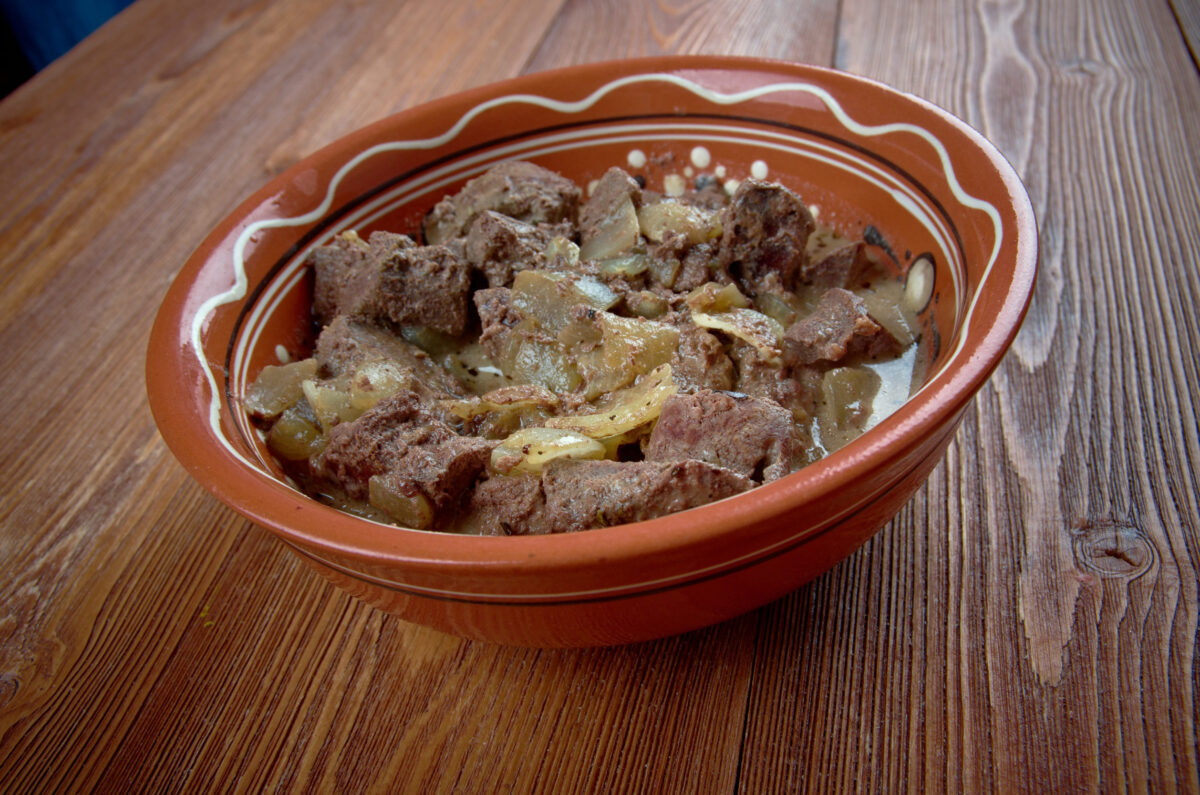
When making beef stew, you generally cut the beef into bite-sized or slightly larger chunks before it goes into the pot.
Chuck is a popular option because it responds well to slow cooking, although other cuts suitable for stewing can also be used. Pre-cut stew meat is another option, though the size and cut can vary.
Many stew recipes begin by browning the beef in a hot pot. Since the meat is already cut into chunks, it has plenty of surface area to brown.
Then add liquid such as beef broth, along with vegetables, herbs, and other seasonings. Simmer the ingredients until the beef tenderizes and the flavors meld.
The cooking liquid is especially important in a stew. It is not simply there to help cook the beef. It becomes an essential part of the finished dish.
As the meat, vegetables, and liquid cook together, the broth can develop a richer consistency and deeper flavor. Depending on the recipe, you may also use flour, starch, or another thickener to give the stew a more gravy-like texture.
The result is meant to be served together. Meat, vegetables, and broth all go into the bowl.
That is why beef stew is generally a spoon-friendly meal rather than something you need to carve at the table.
Pot Roast Keeps the Beef Whole
Pot roast takes a different approach.
Instead of cutting the beef into small pieces before cooking, the cook starts with a larger roast. Chuck roast is one of the most common choices because its structure and connective tissue make it well suited to long, gentle cooking.
The roast is often browned first, then cooked slowly with liquid in a covered pot. Broth is a common choice, while recipes may also include wine, herbs, onions, garlic, or other flavorings.
Carrots and potatoes are frequent additions, but there is plenty of room for variation.
The key is to keep the roast as the centerpiece.
Once the beef is tender, remove it from the pot and slice, carve, or pull it into larger pieces for serving. You can spoon the cooking liquid over the beef, reduce it into a sauce, or use it as the starting point for gravy.
That serving style is one of the easiest ways to recognize the difference between the two dishes.
With stew, the beef is one component of a unified bowl of meat, vegetables, and liquid. With pot roast, the large piece of beef remains the star of the plate.
Related article: the-7-shocking-truth-behind-beef/
The Cooking Liquid Plays a Different Role
Both dishes rely on moisture during cooking, but the amount and purpose of that liquid differ.
Stewing generally uses enough liquid to surround or cover the smaller pieces of food. Because the broth or sauce is eaten as part of the finished meal, its flavor and texture are central to the dish.
Pot roast is closer to a traditional braise.
In braising, a large piece of meat cooks slowly in a relatively modest amount of liquid rather than being completely submerged, as in soup.
That moisture, combined with gentle heat and a covered cooking environment, helps the meat become tender over time.
The liquid still matters. It picks up flavor from the beef, aromatics, and seasonings and can become an excellent sauce. But diners generally focus first on the roast itself rather than eating a bowlful of the cooking liquid.
Why Slow Cooking Works So Well for Both
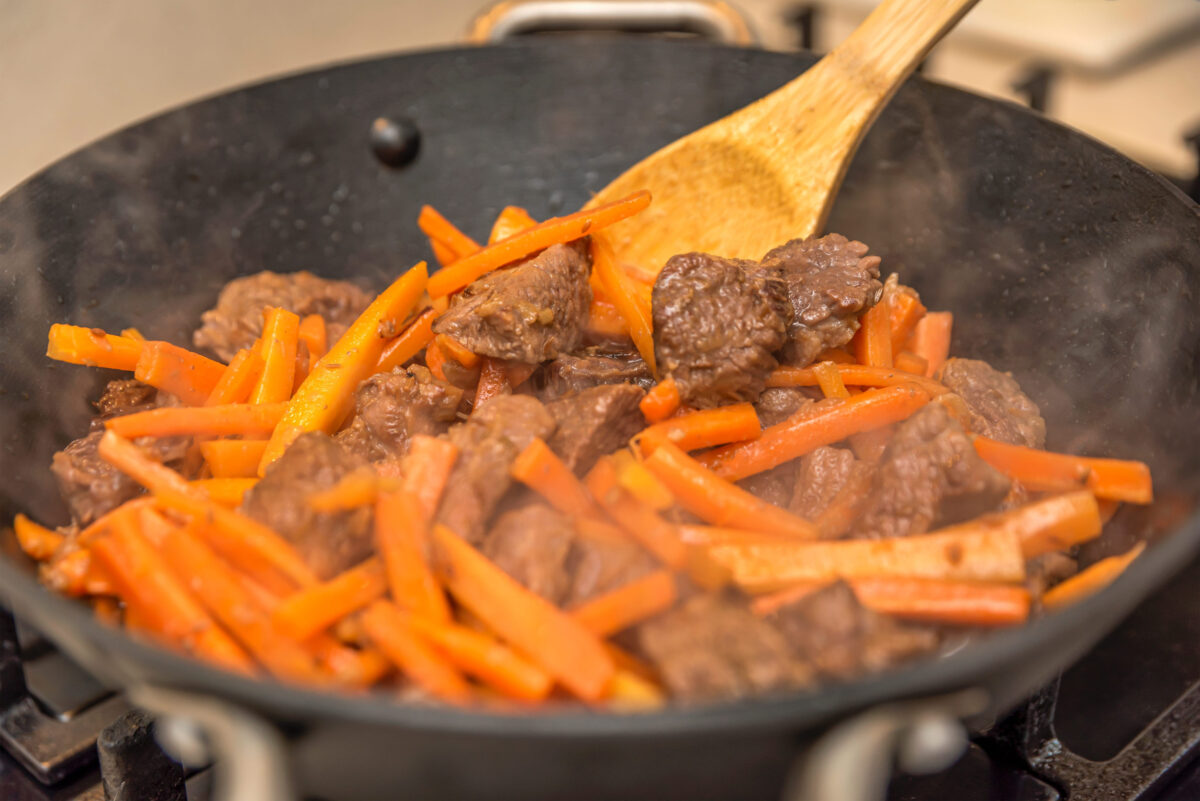
Chuck appears so often in both beef stew and pot roast recipes for a reason.
Cuts used for long, slow cooking contain connective tissue, including collagen. Given enough time and gentle heat, collagen can break down into gelatin. This contributes to the soft, succulent texture associated with properly braised beef.
That also explains why rushing either dish can be disappointing.
A piece of beef may technically be cooked before it reaches the texture you want. For stew or pot roast, tenderness is usually the goal, so the meat needs enough cooking time to reach that stage.
Exact timing varies by recipe, beef-piece size, cooking temperature, and whether you use an oven, stovetop, slow cooker, or pressure cooker.
For that reason, it is more useful to judge these dishes by tenderness than to assume one always takes a fixed amount of time.
Vegetables Work in Both Dishes
Carrots and potatoes are common companions to both beef stew and pot roast.
Onions are also frequently used, while other recipes may include mushrooms, celery, turnips, parsnips, or other vegetables.
The difference is less about which vegetables you choose and more about how you present everything at the end.
In stew, vegetables become part of the mixture and are typically served in the same bowl with chunks of beef and broth.
With pot roast, vegetables are more likely to sit around or alongside the meat on the serving platter or plate.
Either way, cooking vegetables with beef lets them absorb some of the pot’s savory flavors.
Which One Should You Make?
Choosing between beef stew and pot roast depends largely on the meal you want to serve.
Choose beef stew if you want a hearty bowl filled with tender pieces of meat, vegetables, and rich cooking liquid. It is especially appealing when you want everything combined into one spoonable dish.
Choose pot roast if you want a substantial piece of beef to serve as the centerpiece of dinner. It works particularly well when you want to carve or pull the meat and serve vegetables and sauce alongside it.
Neither dish is inherently better than the other. They use similar ingredients in different ways.
The Bottom Line
The easiest way to remember the difference is to look at the beef before it starts cooking.
For beef stew, cut the meat into chunks first and cook it with vegetables and plenty of flavorful liquid. The entire mixture becomes the finished dish.
For pot roast, you slowly braise a whole roast until tender, then slice or pull it for serving. Vegetables and cooking liquid may accompany it, but the beef remains the main attraction.
Both rely on patient cooking to get the best from cuts such as chuck, and both can deliver the kind of tender, savory meal that works particularly well when you are craving comfort food.
So if the beef arrives at the table swimming in a rich broth with vegetables and requires a spoon, you are probably looking at stew. If a large, tender roast takes center stage with sauce and vegetables around it, pot roast is the better name.
Other articles you may like:
– chicago-stole-new-yorks-steakhouse-crown-and-meat-lovers-are-booking-flights-to-the-windy-city/
– the-salad-that-gets-better-overnight-and-its-the-smartest-thing-you-can-make-this-week/
– 10-vegetables-that-have-caused-human-deaths/