10 Cooking Mistakes to Avoid at All Costs
Cooking seems simple until one small slip turns dinner into disappointment. A chicken breast can go from juicy to rubbery, a sauce can curdle, and a simple stir-fry can collapse into a soggy, flavorless mess. The truth is, most kitchen disasters are not about lack of skill; they come from habits that quietly sabotage taste, texture, and timing.
Avoiding these mistakes is what separates casual cooks from those who consistently produce food that tastes as good as it belongs in a restaurant. You do not need fancy equipment or years of training; you just need awareness and patience. These are the ten habits that, if you stop them today, will instantly upgrade your cooking and prevent meals from falling flat.
Here are 10 cooking mistakes to avoid
Cooking Everything on High Heat
High heat feels like the shortcut to speed, but it is often the quickest route to ruined meals. Garlic burns in seconds, meat toughens, sauces scorch, and vegetables can brown on the outside while remaining raw inside.
Medium heat allows ingredients to cook evenly, develop flavor, and maintain the textures you expect. Onions caramelize rather than singe, eggs stay tender rather than go rubbery, and meats develop a golden crust without losing moisture. Using the right heat for each ingredient transforms ordinary dishes into ones with depth and balance.
Ignoring this principle means you are trading control for speed, and the results are almost always disappointing. High heat may be dramatic, but slow and steady wins in flavor, texture, and presentation every time.
Not Preheating the Pan
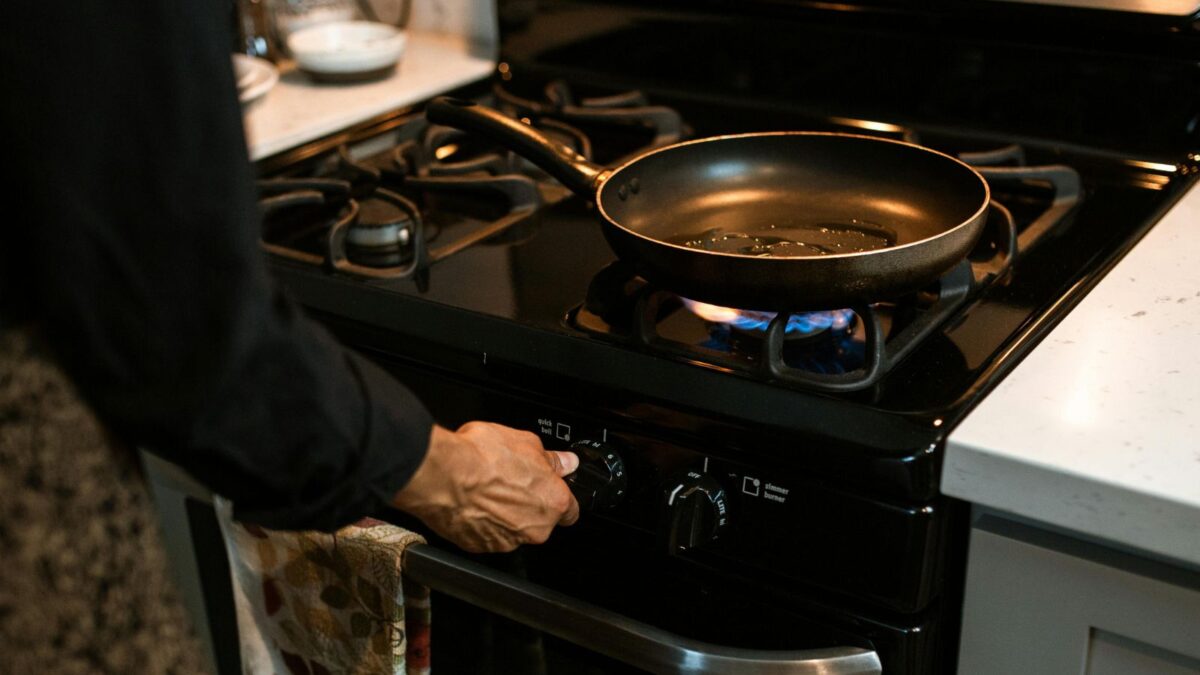
Dropping food into a cold pan is a mistake that costs both flavor and texture. Meat sticks, vegetables steamed instead of crisp, and pancakes flattened without developing that golden edge.
A preheated pan ensures even cooking and gives you confidence in the sizzle when food touches the surface. Oil heats evenly, meat forms a crust rather than sticking, and vegetables sear rather than turn mushy. Preheating may feel like waiting, but it is the small step that prevents frustration and wasted ingredients.
Skipping this step turns potential culinary magic into mediocrity. A properly heated pan is the difference between a meal you savor and one you regret.
Crowding the Pan
Stuffing a pan to the brim is a common but costly mistake. Overcrowding traps steam and prevents browning, leaving roasted vegetables limp, stir-fries soggy, and seared meats pale and unappealing.
Give food breathing room. Cook in batches if necessary to ensure every piece touches the pan and develops proper texture. Browning is not just cosmetic; it creates the Maillard reaction, which adds flavor and aroma that elevate even the simplest ingredients.
Crowding may feel efficient, but it sacrifices quality for speed. Space is essential, and respecting it makes every bite more satisfying.
Forgetting to Season in Layers
Seasoning only at the end is a common shortcut that often yields poor results. Adding salt or spices only at the finish may leave food flat and one-dimensional, because flavors never had a chance to develop.
Seasoning in layers on onions as they soften, on meat before it hits the pan, and in soups or sauces as they cook builds depth. Each stage enhances complexity and ensures every bite is balanced rather than uneven. This approach turns ordinary meals into experiences with a rich, rounded taste profile.
Without layered seasoning, even the best ingredients can taste bland. Thoughtful seasoning throughout the cooking process is what takes home dishes to a professional level.
Using Dull Knives
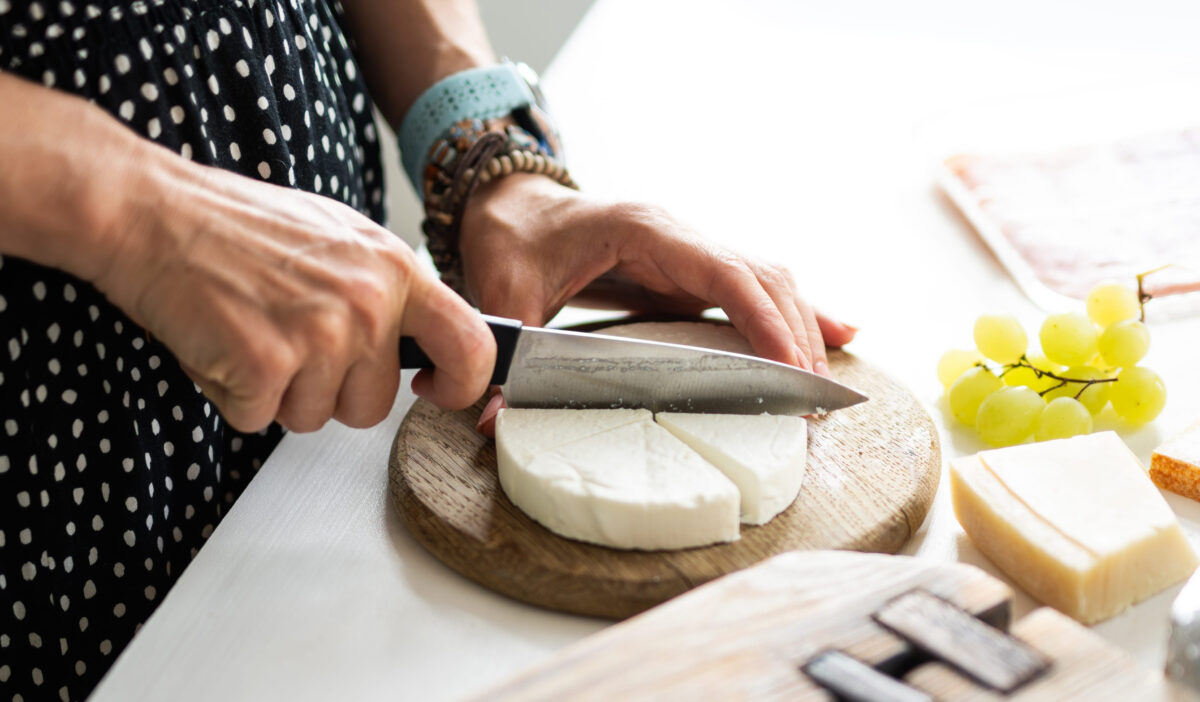
A dull knife may seem harmless, but it is one of the most frustrating and dangerous tools in the kitchen. Pressing harder to cut causes ingredients to crush, slice unevenly, or become a hazard to the cook.
Sharp knives make chopping herbs clean, slicing vegetables precise, and cutting meat smooth. They also speed up preparation and reduce fatigue, letting cooks focus on technique and taste. Investing time in sharpening or maintaining knives pays off in efficiency and safety.
Dull knives steal control, waste food, and often lead to mistakes that cascade into cooking disasters. Keep your tools sharp, and your cooking will reflect your effort.
Moving Food Too Much
Flipping, stirring, or shaking constantly seems like a way to avoid burning, but it prevents proper browning. Food needs time in the pan to form a crust, lock in juices, and develop concentrated flavors.
Allowing food to rest undisturbed creates texture and taste that frequent movement cannot replicate. Chicken, fish, mushrooms, and potatoes all reward patience with caramelization and aroma that elevate the dish. Resist the urge to poke constantly; it is a small act with a huge payoff.
Over-managing your food may seem protective, but it often sabotages the very result you are hoping for. Trust the pan and let the ingredients work their magic.
Not Reading the Recipe First

Jumping into a recipe without understanding it sets cooks up for failure. Discovering midway that the butter should have been softened, the dough needs chilling, or the rice requires rinsing can derail timing and flavor.
Reading the entire recipe first ensures preparation, organization, and confidence. Ingredients are prepped, timing is clear, and you can anticipate tricky steps rather than scrambling. It is a simple habit that transforms stress into smooth execution.
Ignoring this rule often leads to rushed decisions and uneven results. Forethought is the secret ingredient behind consistent success in any kitchen.
Skipping the Resting Time for Meat
Cutting meat immediately after cooking is tempting, especially when it smells amazing. But slicing too soon lets juices escape, leaving meat dry and less flavorful.
Resting meat allows fibers to relax and redistribute moisture. Even a few minutes can make chicken, steak, or pork tender, juicy, and satisfying. Patience here directly translates to quality on the plate, transforming ordinary protein into something memorable.
Skipping resting may feel efficient, but it robs food of its full potential. Every minute spent waiting is a bite saved from disappointment.
Adding Garlic Too Early
Garlic is delicate and burns fast, creating a bitter note that can dominate a dish. Many home cooks ruin sauces or sautéed vegetables by tossing garlic in before onions or peppers have softened.
Adding garlic later in the cooking process ensures it releases aroma without turning harsh. It brightens dishes, complements flavors, and preserves sweetness. Timing garlic correctly is a small detail with a huge impact.
Overcooked garlic is unforgiving. Simple timing transforms it from a flavor killer into a dish enhancer.
Refusing to Taste as You Cook

Cooking blind is a trap. Without tasting, you cannot adjust seasoning, acid, spice, or texture, leaving the dish vulnerable to imbalance.
Taste frequently during cooking. Adjust flavors gradually, correct mistakes early, and refine until every element feels intentional. This ensures the final meal is complete rather than a series of compromises.
Ignoring this habit leaves meals unpredictable. Tasting is your real-time quality control and the most important step toward consistently satisfying results.
Conclusion
Great cooking is about attention, patience, and awareness more than fancy tools or complicated techniques. Mastering heat, timing, seasoning, knife skills, and tasting transforms everyday meals into flavorful, textured, and satisfying dishes.
Avoiding these ten common mistakes prevents disasters, boosts your confidence, and makes the kitchen a space for creativity rather than stress. Cooking becomes less about luck and more about control, resulting in meals that taste deliberate, balanced, and worth sharing with anyone at the table.