More Than 155 Scientists Rally Behind Fauci as Senate Clash Raises Fears for Public Health
More than 155 scientists, physicians and public health advocates have entered one of America’s most bitter political fights, warning that the campaign against Dr. Anthony Fauci has moved beyond oversight and into personal intimidation.
Their open letter, released before Fauci’s July 29 appearance before the Senate Homeland Security and Governmental Affairs Committee, calls on Congress to stop what the signers describe as the vilification and harassment of scientists. The dispute is no longer only about one retired official or the unresolved origins of COVID 19, because the signers argue that the country’s ability to confront the next outbreak may also be at stake.
A Line Between Oversight and Intimidation

The letter does not argue that scientists should be protected from questioning or congressional scrutiny. Instead, its signers say oversight becomes dangerous when scientific disagreements are transformed into threats of prosecution, public harassment and political campaigns against individual researchers. Defend Public Health, the organization promoting the campaign, says the Trump administration and congressional allies are “waging a war on individual scientists” through harassment, arrests, indictments and continuing threats of prosecution.
The campaign names former NIH Director Francis Collins, vaccine scientist Peter Hotez, coronavirus researcher Ralph Baric and climate scientist Katharine Hayhoe among researchers it says have faced pressure. Fauci remains the most recognizable target because he led the National Institute of Allergy and Infectious Diseases for 38 years and became the public face of the federal COVID 19 response. The letter says accusations that Fauci concealed the pandemic’s origins, manipulated other scientists or helped spark the outbreak lack credible evidence.
Fauci’s Silence Deepens the Firestorm
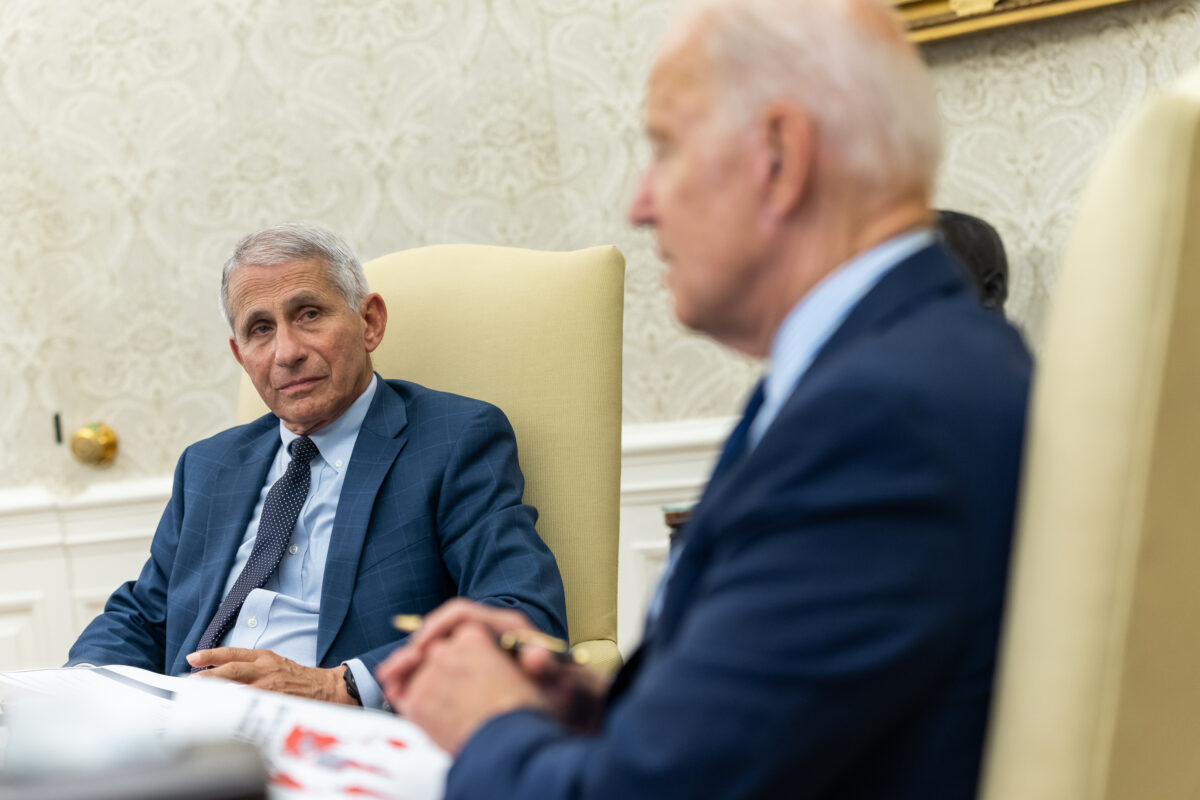
Fauci appeared under subpoena before the Senate committee on July 29, repeatedly invoking his Fifth Amendment right against self-incrimination and declining to answer more than 100 questions. He said he was following legal advice because Senator Rand Paul had repeatedly called for his prosecution and imprisonment, creating what Fauci described as an effort to trap him into making a statement that could be used against him. Paul rejected that explanation and announced that the committee planned to vote on whether to hold Fauci in contempt of Congress.
The nearly three-hour hearing exposed the mistrust that still surrounds the pandemic. Republican senators accused Fauci of misleading Congress about federally supported coronavirus research in Wuhan, while Democrats described the hearing as partisan and designed to validate conclusions reached years earlier. Fauci has denied lying to Congress, and he has not been charged with causing the pandemic or participating in a cover-up.
A Pardon Did Not End the Dispute
Former President Joe Biden issued Fauci a preemptive pardon on January 19, 2025, covering federal offenses connected to his government service from January 1, 2014, through the end of Biden’s presidency. Paul argues that the pardon weakens Fauci’s ability to rely on the Fifth Amendment, but legal experts note that it does not protect later conduct, including any allegedly false statement made during new testimony. Congress could also try to compel testimony by granting immunity, although that would require additional legal and political steps.
The committee had not held Fauci in contempt when the scientists issued their warning, and any referral would still face legal hurdles. That distinction matters because demands for punishment are not the same as criminal charges, convictions or proof of wrongdoing. The letter’s central complaint is that repeated accusations can create the appearance of guilt before evidence is tested in court or presented in a formal case.
Why the Stakes Extend Beyond Fauci
The signers warn that the personal cost of government science could discourage qualified researchers from entering public service. Scientists working on emerging viruses, vaccines and laboratory safety often must evaluate incomplete evidence, revise recommendations and discuss uncertainty while decisions carry enormous consequences. If every disputed conclusion becomes a basis for threats or criminal accusations, researchers may become less willing to investigate politically explosive subjects.
That chilling effect could become most dangerous during the next epidemic, when officials may need rapid advice before every fact is known. Public health depends on researchers being able to debate competing theories, report uncomfortable findings and change guidance as evidence develops. Political loyalty should never shield officials from proper investigation, but fear of prosecution should not replace scientific disagreement.
America Still Needs Answers
The origins of COVID-19 remain unresolved, with U.S. intelligence agencies divided between a possible laboratory incident and natural transmission from an animal. That uncertainty leaves room for serious investigation into research funding, laboratory safeguards, government transparency and pandemic decisions. It does not establish that Fauci committed a crime or that every scientist linked to controversial research participated in misconduct.
The open letter presents Congress with a difficult standard: investigate aggressively, demand records and challenge testimony, but do not turn researchers into political enemies without credible evidence. Fauci’s use of the Fifth Amendment will continue to fuel suspicion among critics, while the campaign against him will alarm scientists who see a warning about their own future. The larger question is whether America can pursue accountability without weakening the scientific workforce it will depend on when the next crisis arrives.