Kamala Harris’ 13-Justice Supreme Court Proposal Reopens America’s Biggest Debate Over Judicial Power
Former Vice President Kamala Harris has pushed the long-running Supreme Court reform debate back into the national spotlight by supporting a proposal to expand the court from nine justices to 13, a move that could reshape one of the most powerful institutions in American government.
The proposal is not simply about adding four seats to the nation’s highest court. It touches on deeper questions about constitutional authority, political influence, public confidence, and how a democracy should balance judicial independence with accountability.
For supporters, expanding the Supreme Court represents an opportunity to modernize an institution that has remained largely unchanged for more than 150 years. For opponents, it raises fears that changing the number of justices could turn the court into a permanent political battlefield where each party tries to reshape the judiciary whenever it controls Washington.
The debate comes at a time when the Supreme Court has become one of the most influential forces in American life, issuing decisions that affect abortion rights, environmental policy, presidential authority, gun regulations, labor rules, and the power of federal agencies.
Harris’ 13-member Supreme Court proposal puts judicial reform back in focus.
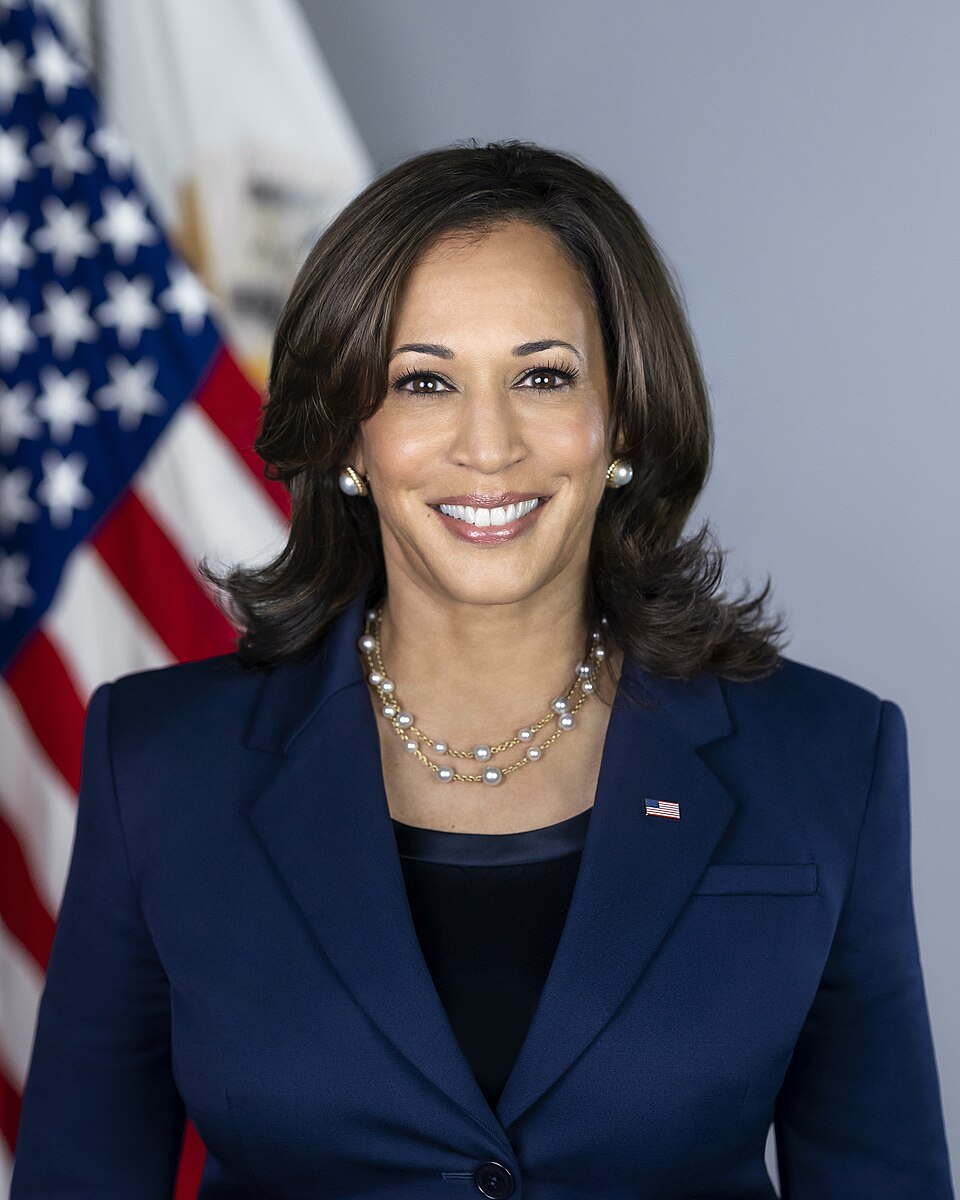
Kamala Harris’ support for a 13-member Supreme Court has intensified a national argument over whether the current nine-seat structure still serves the needs of a modern United States.
The proposal would add four additional justices to the court, increasing the number of members from nine to 13. Supporters argue that the expansion would help address concerns about ideological imbalance and improve confidence in a court that has faced increasing public scrutiny.
The idea has gained attention among Democratic lawmakers and progressive legal activists who argue that recent political battles over Supreme Court appointments changed the court’s direction for decades.
A major turning point came during President Donald Trump’s administration, when three conservative justices were appointed: Neil Gorsuch, Brett Kavanaugh, and Amy Coney Barrett. Their confirmations shifted the court’s ideological balance and created a 6-3 conservative majority.
Critics of expansion argue that those appointments followed the normal constitutional process and that changing the size of the court because one party dislikes its decisions could damage the institution’s independence.
Why supporters specifically want 13 Supreme Court justices
The number 13 carries a specific argument behind it: supporters say it would align the Supreme Court with America’s federal appeals court system.
The United States currently has 13 federal appellate circuits, which handle thousands of legal cases before they reach the Supreme Court. Reform advocates argue that creating a 13-member Supreme Court would provide a symbolic connection between the nation’s highest court and the broader federal judiciary.
Supporters also point to the increasing complexity of American law. Issues involving technology, artificial intelligence, privacy, environmental regulations, financial markets, and federal agency authority have created legal questions that were unimaginable when the court’s current size was established.
However, critics argue that the connection between 13 appellate circuits and 13 Supreme Court justices is mostly symbolic. They say the Supreme Court’s role is not to represent regions but to interpret the Constitution and federal law.
The disagreement reveals a larger philosophical divide: should the Supreme Court evolve with the country, or should it remain insulated from political and social pressures?
America changed dramatically while the Supreme Court stayed at nine members.
The Supreme Court’s nine-member structure has remained unchanged even as the United States transformed from a small republic into a global power with more than 330 million residents.
When the Supreme Court was created in 1789, the country had fewer than 4 million people. The court began with six justices and was designed for a much smaller legal system.
The court eventually reached its current nine-member structure in 1869, when the United States had a population of roughly 39 million people.
More than 150 years later, the country has experienced enormous changes:
- The population has grown more than eightfold.
- The federal government has expanded significantly.
- Legal disputes have become more complex.
- The Supreme Court receives thousands of case requests every year.
Supporters of expansion argue that the court’s structure has not kept pace with the country’s growth.
Opponents respond that the Supreme Court was never designed to reflect population size. They argue that stability and independence matter more than numerical growth.
The history of Supreme Court expansion shows the issue is not new.
Changing the number of Supreme Court justices has happened several times throughout American history, but modern expansion debates have become far more politically sensitive.
The Constitution does not establish a specific number of Supreme Court seats. Instead, Congress has the authority to determine the size of the court.
Over American history, Congress changed the number of justices multiple times:
- 1789: Six justices established the Supreme Court.
- 1807: Congress increased the court to seven members.
- 1837: The court expanded to nine members.
- 1863: The court briefly increased to ten members.
- 1869: Congress returned the court to nine justices.
The most famous modern expansion attempt came in 1937, when President Franklin D. Roosevelt proposed adding additional justices after the Supreme Court struck down several New Deal programs.
Roosevelt’s critics accused him of attempting to control the judiciary. The proposal failed, but the phrase “court packing” became permanently connected to debates over Supreme Court expansion.
The court’s legitimacy debate goes beyond party politics.
The fight over Supreme Court expansion reflects a broader national debate about whether Americans trust the judiciary to remain independent and fair.
The Supreme Court has experienced growing public attention as its decisions have become central issues in political campaigns.
Major rulings have shaped national conversations about:
- abortion access following the 2022 Dobbs decision
- presidential authority
- gun rights
- voting regulations
- environmental protections
- federal agency power
Supporters of reform argue that public trust declines when large portions of the population believe the court reflects political appointments rather than neutral legal reasoning.
Opponents argue that the solution is not changing the number of justices but respecting the constitutional process that allows presidents to nominate judges and the Senate to confirm them.
Could Supreme Court expansion create a political arms race?
The biggest concern among opponents is that expanding the court once could lead to repeated attempts by future administrations to change its size.
The argument is straightforward:
A Democratic administration could expand the court to 13 members.
A future Republican administration could respond by adding more seats.
Another administration could attempt another expansion.
Critics warn that this could transform the Supreme Court into an institution shaped by election outcomes rather than constitutional principles.
Supporters counter that political decisions have already influenced the court through nomination strategies, Senate confirmation battles, and retirement timing.
The disagreement highlights a fundamental question: is Supreme Court reform a correction of political imbalance, or does it create a new form of political competition?
What a 13-member Supreme Court could change
Adding four justices would not automatically determine court decisions, but it could significantly change the institution’s internal dynamics.
A larger court could influence how justices debate cases, assign opinions, and build legal coalitions.
Potential changes could include:
- More legal perspectives during major constitutional debates.
- Different voting combinations in close cases.
- A reduced chance that one justice becomes the deciding vote on major issues.
- Changes in how the court manages its workload.
Supporters believe a larger bench could strengthen deliberation by introducing more viewpoints.
Critics argue that increasing the number of justices could create uncertainty and make the court appear more politically driven.
Lifetime appointments make Supreme Court battles uniquely important.
Unlike members of Congress or presidents, Supreme Court justices can serve for decades, meaning a single appointment can influence American law for generations.
The Constitution grants federal judges lifetime appointments, allowing justices to remain on the court as long as they maintain good behavior.
This creates a long-term impact:
A president elected for four years can influence legal decisions for 30 years or more through Supreme Court appointments.
A Senate confirmation vote can affect issues that shape multiple generations.
This is why Supreme Court nominations have become some of the most closely watched political events in Washington.
Supreme Court reform could become a major election issue.
The debate over expanding the Supreme Court is likely to remain part of America’s political conversation because judicial appointments have become central to national elections.
Candidates increasingly campaign on issues involving the court because voters understand that presidential elections can determine the future direction of constitutional law.
The Supreme Court has moved from being primarily a legal institution discussed by lawyers and scholars to becoming a major issue for millions of voters.
Whether expansion happens will depend on election results, congressional control, and whether lawmakers believe the benefits outweigh the risks.
The future of the 13-member Supreme Court debate

Kamala Harris’ proposal has reopened one of the most consequential questions in American government: how should a democracy balance a changing society with the need for an independent judiciary?
Supporters see a 13-member Supreme Court as a way to modernize an institution they believe no longer reflects the realities of the country.
Opponents see it as a dangerous precedent that could encourage future political leaders to reshape the court whenever they disagree with its decisions.
The debate is unlikely to disappear soon. As long as the Supreme Court continues deciding issues that affect everyday Americans, questions about its size, structure, and role in democracy will remain at the center of national politics.
The proposal to expand the Supreme Court to 13 justices is about far more than adding seats. It represents a larger fight over the future of judicial power, political influence, and public trust in one of America’s most important institutions.