Europe’s Airport Shame List Is Out, and Some Tourist Favorites Took a Hit
A beautiful city can still give travelers an ugly airport experience.
That is the uncomfortable truth behind the latest 2026 AirHelp Score, which ranked 279 airports across 76 countries. The analysis looked beyond glossy terminals and famous destinations. It focused on what travelers actually feel when they arrive tired, hungry, delayed, and desperate to get moving.
The ranking measured three things that matter most when a trip begins or ends: whether flights arrive on time, how passengers rate the airport experience, and whether the facilities feel comfortable enough for real people, not just travel brochures.
This year, Europe produced both surprises and disappointments. Small airports in Norway and Denmark beat famous hubs. Meanwhile, some of the continent’s busiest tourist gateways landed near the bottom of the global list.
Bodø Airport Became Europe’s Quiet Winner
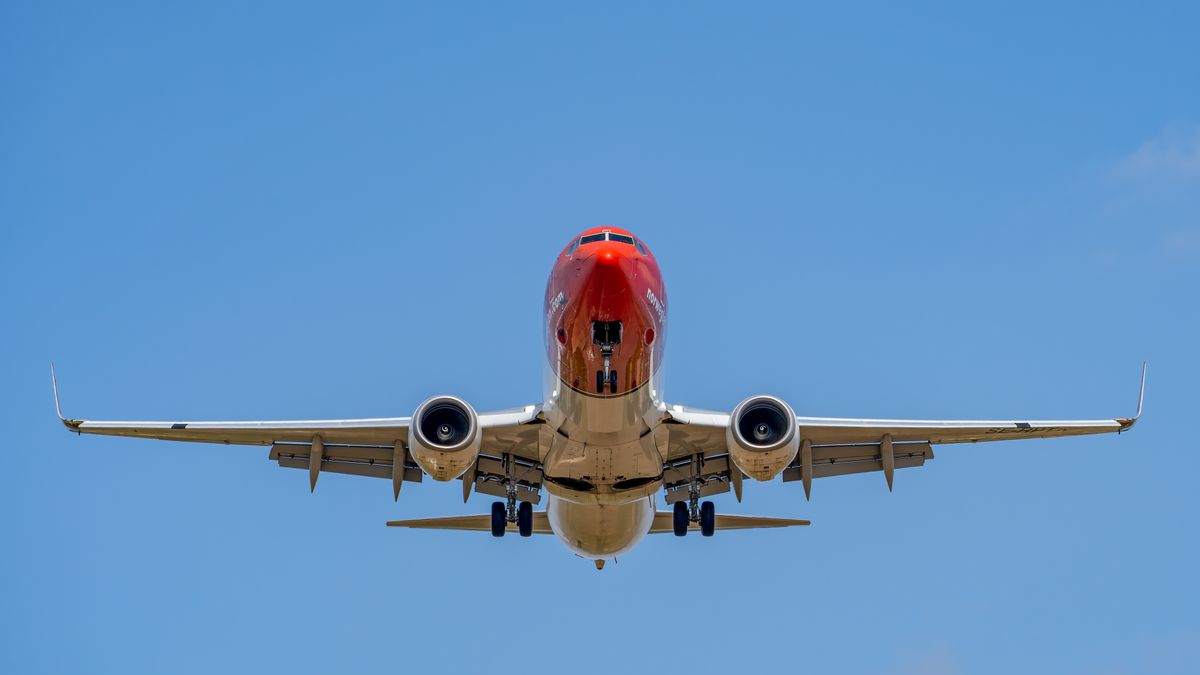
Bodø Airport in Norway took the top European spot and landed ninth overall in the global ranking. That may surprise travelers who expect Europe’s best airport to be a giant hub in London, Paris, Frankfurt, or Amsterdam. Instead, the winner sits north of the Arctic Circle, serving a smaller market with impressive discipline.
Its strength came from punctuality. Bodø recorded an on-time score of 8.7, meaning 87% of flights arrived within 15 minutes of schedule during the ranking period. That matters because travelers rarely remember the marble floors. They remember whether they missed a connection.
Billund Proved Bigger Is Not Always Better
Billund Airport in Denmark also made the global top 10, finishing just behind Bodø. For many families, Billund is known as the gateway to LEGO country. Now it has another reason to stand out.
The airport scored 8.16 overall and performed strongly in the passenger experience category. It also received an 8.7 for experience and 7.7 for facilities and comfort. In plain terms, passengers found it easier, cleaner, and calmer than many larger airports.
That is the real lesson from Billund. A good airport does not need to feel like a shopping mall with runways. It needs to move people without turning the trip into a stress test.
Bilbao Gave Spain a Rare Bright Spot

Spain did not dominate the top of the list, but Bilbao Airport gave the country something to celebrate. It ranked 21st globally and became one of Europe’s strongest performers in the 2026 analysis.
Bilbao scored well because it balanced reliability with a decent traveler experience. Its on-time score reached 8.4, while passenger experience came in at 8.0. Facilities and comfort scored 7.0, which kept it from climbing even higher.
Still, for travelers flying into northern Spain, Bilbao looks like one of the safer bets. It may not have the global name recognition of Madrid or Barcelona, but this ranking shows it knows how to handle passengers.
Bergen Flesland Kept Norway Looking Strong
Norway had another strong showing with Bergen Flesland Airport, which placed 23rd overall. That gives the country two of Europe’s top performers in the AirHelp ranking.
Bergen’s result reinforces a pattern. Smaller and mid-sized airports often have an advantage when they are well managed. They can be easier to navigate, less chaotic at peak times, and better at keeping operations tight.
For travelers, that can make a huge difference. Nobody wants to spend the first hour of a vacation trapped in a crowded terminal, wondering where the baggage belt is. Bergen’s ranking suggests passengers are getting a smoother ride.
Istanbul Still Carried Europe’s Big-Hub Pride
Istanbul Havalimani Airport rounded out the top five European airports in the ranking, finishing 29th overall. Unlike Bodø, Billund, or Bergen, Istanbul is a major international hub with heavy traffic and global connections.
That makes its placement important. Large airports face tougher pressure because one disruption can ripple through thousands of passengers. When a big hub still ranks well, it usually means the system is handling volume better than many rivals.
Istanbul’s result also shows that size alone is not the enemy. Poor management, congestion, and weak passenger flow are the real problems. A big airport can still work if its operations stay sharp.
Lisbon Landed in Europe’s Danger Zone
Lisbon Humberto Delgado Airport had one of the harshest results in Europe. It ranked 274th overall out of 279 airports, placing it near the bottom of the global list.
That is a rough look for one of Europe’s most beloved travel cities. Lisbon has sunshine, food, nightlife, history, and a growing demand for tourism. Yet the airport has struggled with the pressure that comes with that popularity.
Its on-time score was just 6.3. That means too many travelers are facing delays before they even reach the city or after they are ready to leave. For a destination built on charm, the airport experience can feel like the first broken promise.
Rhodes Showed the Cost of Tourist Pressure

Rhodes Diagoras Airport also landed near the bottom, ranking 271st overall. The Greek island remains a dream destination for travelers chasing beaches, history, and summer warmth. However, its airport appears to be feeling the weight of that demand.
Rhodes had an on-time score of 6.5. That is a painful number for a seasonal destination where traffic can surge during peak holiday months.
The problem is not that travelers dislike Rhodes. In fact, the opposite may be true. The island is so popular that the airport can feel stretched when crowds arrive in waves. When infrastructure fails to keep pace with demand, passengers feel it fast.
Manchester Took a Heavy Reputation Hit
Manchester Airport ranked 269th overall, making it one of Europe’s worst performers in this analysis. That is especially notable because Manchester is one of the United Kingdom’s most important airports outside London.
For travelers in northern England, Manchester is a key gateway to Europe and beyond. A low ranking does not mean every passenger has a bad trip. However, it does suggest repeated frustrations across timing, comfort, or overall experience.
The danger for airports like Manchester is that travelers remember stress. Long lines, delays, poor communication, and crowded spaces can quickly erode trust. Once passengers expect trouble, the airport has to work even harder to win them back.
Heraklion Struggled With Island Demand
Crete Heraklion Airport ranked 268th, putting another major holiday gateway near the bottom of the list. Like Rhodes, Heraklion serves as a destination that millions of travelers love.
That popularity can become a burden. Island airports often face heavy seasonal demand, crowded terminals, and waves of charter traffic. When the summer rush arrives, small cracks in the system can turn into full traveler frustration.
For visitors, Crete may still be worth the journey. However, the ranking suggests passengers should arrive with patience, extra time, and realistic expectations. A paradise destination does not always come with a paradise airport.
Nice, but it failed to Match Its Glamorous Image
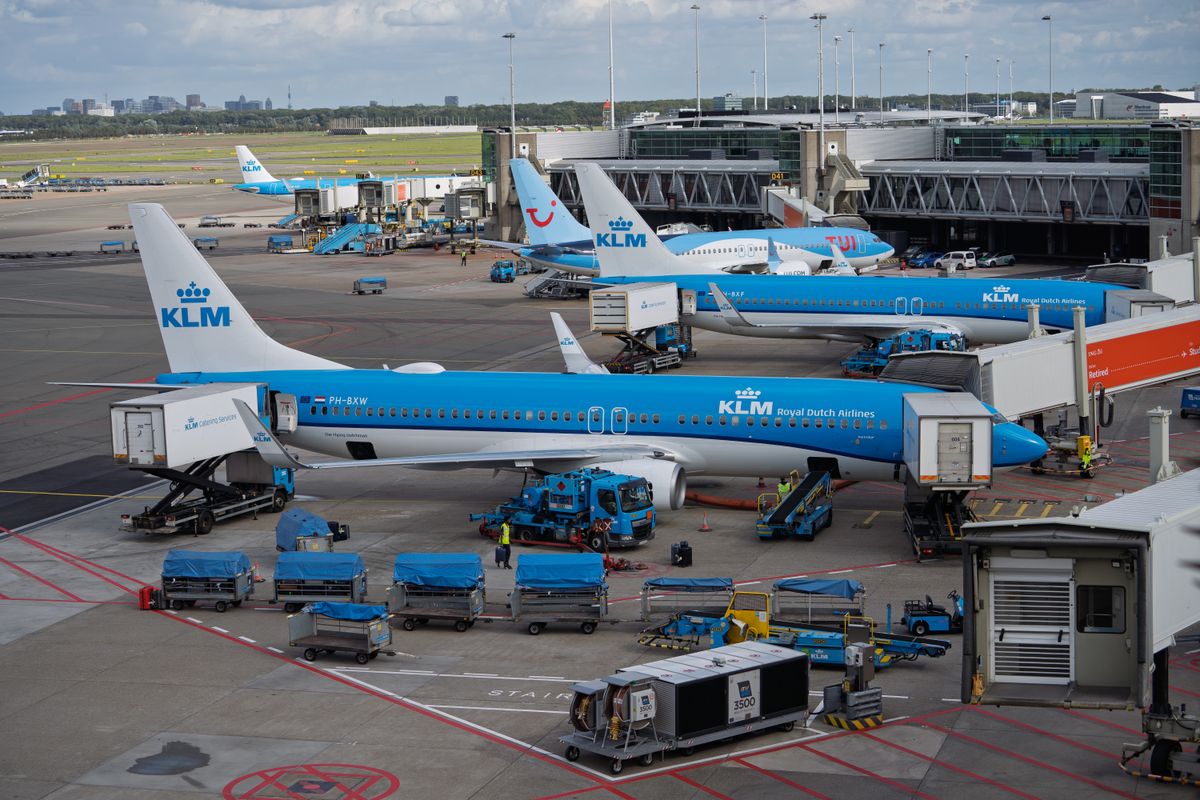
Nice Côte d’Azur Airport ranked 267th overall, a disappointing result for a gateway tied to one of Europe’s most glamorous regions. The French Riviera sells elegance, sea views, luxury hotels, and effortless style. The airport ranking tells a less polished story.
Nice still benefits from the location. Few airports can compete with the drama of landing near the Mediterranean coast. But a beautiful approach does not erase weak performance inside the travel experience.
This is where airport rankings can sting. They strip away the postcard. They ask a simple question: Did the airport work well for passengers? For Nice, the answer in this ranking was not flattering.
Famous cities do not always have the best airports, and smaller airports can beat bigger names when they focus on the basics.
Bodø, Billund, Bilbao, Bergen, and Istanbul showed that punctuality and passenger comfort still matter. Lisbon, Rhodes, Manchester, Heraklion, and Nice showed how quickly reputation can suffer when delays, crowding, and weak facilities shape the journey.
For travelers planning a European trip, this ranking is more than a curiosity. It is a warning. The airport can set the mood before the vacation even begins.
A great destination may still be worth the hassle, but smart travelers now know which airports may test their patience before the plane even leaves the ground.
Which European airport gave you the best experience, and which one tested your patience the most?