Americans Have Chosen Their Favorite Fast Food Fries, And the Winner Is Hardly a Surprise
French fries may be a side dish, but Americans have surprisingly strong opinions about which fast-food chain does them best.
When it comes to fast food, people can argue endlessly about burgers, chicken sandwiches, and milkshakes. Fries have their own special place in American food culture. A 2026 survey of 2,000 Americans found that 51% named McDonald’s as their favorite fast-food fries, more than twice the 24% who chose Wendy’s. The full survey on America’s favorite fast-food fries also found Burger King at 23%, Chick-fil-A at 22%, and Five Guys at 18%.
That is not the only recent survey putting McDonald’s at the top. A separate survey of more than 2,500 Americans gave McDonald’s fries an average rating of 7.3 out of 10, with the chain taking the top spot in 36 states. The latest fast-food fry rankings also found that Five Guys and Chick-fil-A were closely matched behind the winner.
Why McDonald’s Fries Keep Winning
The secret may have less to do with extravagance and more to do with getting the basics right.
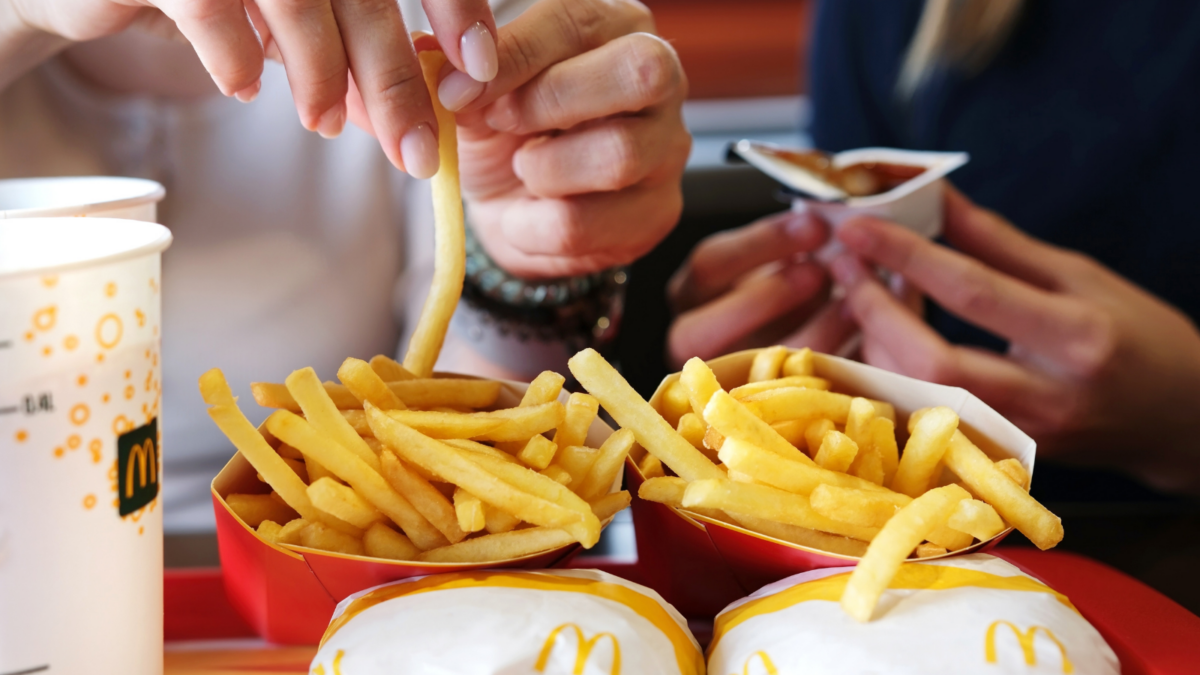
McDonald’s fries are thin, crisp on the outside, soft inside, and instantly recognizable. That familiarity matters because fries are one of those foods where people often know exactly what they want before they even open the bag.
Temperature is particularly important. Nobody wants fries that were excellent ten minutes ago but have turned limp by the time they reach the table. The 2026 KaTom survey found that 41% of respondents considered serving temperature important, while 40% cared about proper salting.
It is a good reminder that small details can transform everyday food. The same idea applies to simple kitchen routines that make ordinary meals feel more enjoyable without requiring complicated recipes.
Americans Have a Very Specific Idea of a Great Fry
Crunch is only the beginning when Americans describe their perfect fry.
The survey found that 34% of respondents wanted fries to be consistently crispy, while 30% specifically valued fries that were crispy outside and soft inside. Those preferences reveal why a restaurant can have excellent potatoes but still disappoint customers if the frying, holding, salting, or serving is inconsistent.
The cut matters too. Thin fries have plenty of crispy surface area, while thicker fries give you more soft potato in every bite. Curly, waffle, and crinkle-cut fries introduce even more ridges and edges, creating different ways for seasoning and sauces to cling.
Recent research shows that thin or shoestring fries were the most popular style among more than 2,500 diners, preferred by 35% of respondents. Ketchup was also the favorite dipping sauce for nearly half of those surveyed.
Fries Can Actually Decide Where People Eat
For a food that usually sits beside the main course, fries have surprising influence.
A 2026 National Fry Audit by The Harris Poll found that 82% of Americans chose a fast-food restaurant specifically because they were craving its fries. The survey also found that 63% considered fry quality extremely or very important when deciding which fast-food restaurant to visit.
Even more amusingly, 60% said they ordered an extra serving of fries because they didn’t want to share. Anyone who has watched a bag of fries disappear from the center of a table probably understands that statistic immediately.
Fries are also tied to memories. They appear on road trips, after school, during quick lunches, on family shopping trips, and during late-night drives. That makes a familiar fry more than just a potato cooked in oil; it becomes part of a routine.
Not Everyone Wants the Same Fry
McDonald’s may dominate the national numbers, but America’s fry preferences aren’t identical.
Some people want thin, salty fries with a delicate crunch. Others prefer thick-cut fries that stay substantial through every bite. Curly-fry fans get extra seasoning and plenty of crispy edges, while waffle-fry lovers have those distinctive pockets that seem designed to catch sauce.
The differences can even show up between generations. The 2026 KaTom research found that Millennials and Gen X respondents preferred curly fries, while Gen Z leaned toward waffle fries and Baby Boomers favored standard-cut fries.
That variety is part of what makes fast-food fries so interesting. Just as ways to make familiar foods more interesting can change how people experience everyday meals, changing the cut, texture, seasoning, or sauce can completely alter a simple plate of potatoes.
So, Is McDonald’s Really America’s Favorite?
The latest surveys give McDonald’s the strongest national claim, but personal favorites tell a different story.
The January 2026 KaTom survey gave McDonald’s 51% of the vote, while the later survey of more than 2,500 diners gave its fries the highest average rating at 7.3 out of 10. Five Guys and Chick-fil-A were close behind in the latter survey, while other chains performed particularly well in individual regions.
That distinction matters. A national survey can tell us what a large group of people prefers, but it cannot settle the argument for the person sitting in the passenger seat with a carton of fries in their lap.
Maybe that is why the fast-food fry debate refuses to disappear. Fries are cheap, familiar, comforting, easy to share, and somehow still capable of inspiring fierce loyalty.
If you could choose only one fast-food fry forever, would you stick with McDonald’s, or does another chain have your personal favorite?