10 Ways Middle-Class Americans Are Struggling Quietly
The middle class used to feel like America’s safest room in the house. You worked hard, paid your bills, bought groceries, kept the car running, planned a vacation once in a while, and believed tomorrow would probably be better than today. Now, for many families, that room feels smaller, louder, and more expensive every time they turn around.
The strange part is how quiet the struggle looks from the outside. The lawn still gets mowed, the kids still go to school, the family still smiles for holiday photos, and the car still sits in the driveway. Behind that normal-looking life, many middle-class Americans are doing mental math before every pharmacy visit, grocery trip, birthday party, and oil change.
America’s middle class has not disappeared, but it has become far more squeezed. The cost of staying stable now feels like a second job. These are the quiet ways many middle-class Americans are struggling without always saying it out loud.
Grocery Trips Feel Like Financial Ambushes

For many middle-class households, grocery shopping has become one of the most frustrating weekly routines. People walk into the store for basics and leave wondering how bread, eggs, cereal, fruit, and chicken turned into a receipt that looks like a utility bill. They are not buying luxury food or filling the cart with fancy extras. They are buying school lunches, dinner ingredients, snacks, coffee, and household staples.
This struggle feels quiet because families often adjust without announcing it. They switch brands, skip fresh produce, buy less meat, stretch leftovers, and pretend the change is about “eating lighter.” The emotional pressure sits in the gap between looking comfortable and feeling cornered by everyday prices.
Housing Costs Eat the Paycheck First
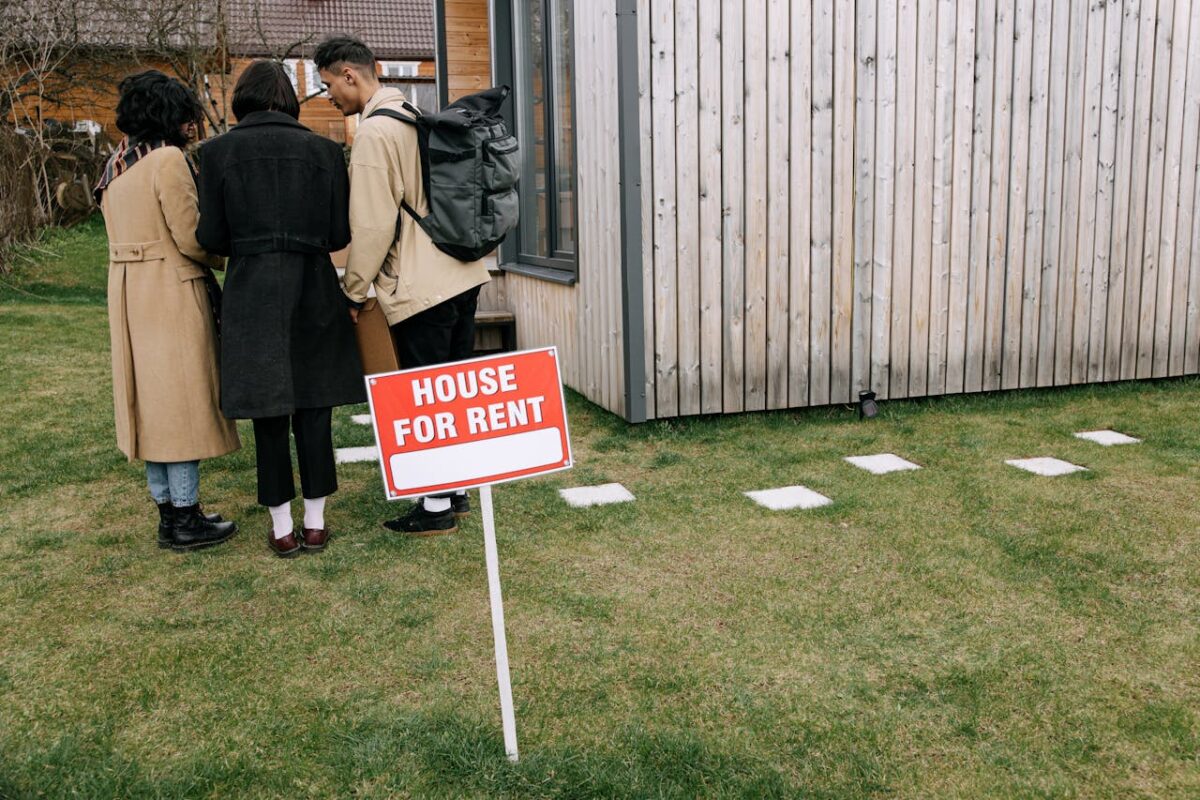
Housing is the biggest silent pressure point for many middle-class Americans. Renters feel trapped because rent takes a larger chunk of income, yet buying a home feels out of reach. Homeowners feel squeezed by mortgage payments, insurance, property taxes, repairs, and interest rates that make moving nearly impossible.
This creates a strange kind of financial paralysis. A family may technically own a home but have little room to breathe after paying for it. Another family may earn decent wages but still be stuck renting because the down payment keeps moving farther out of reach. Housing has become less like a foundation and more like a monthly stress test.
Health Care Turns Stability Into Anxiety
Middle-class Americans often look insured on paper but still feel exposed in real life. A family may have employer health coverage, yet premiums, deductibles, co-pays, dental bills, prescriptions, and surprise expenses can still wreck the monthly budget. People delay appointments, ignore symptoms, split pills, or hope a problem clears up on its own because the bill feels scarier than the discomfort.
That kind of stress rarely shows up in casual conversation. People say they are busy rather than admit they cannot afford another medical charge. They cancel therapy, postpone dental work, or avoid urgent care unless the situation becomes impossible to ignore. Health care has turned into one of the most private forms of middle-class fear.
Child Care Costs Feel Like a Second Mortgage
Middle-class parents often discover that having children changes the entire financial landscape. Child care can cost as much as rent in some areas, and even families with two incomes may feel like one paycheck exists mainly to cover daycare. The pressure becomes even heavier when parents have infants, multiple children, irregular work schedules, or limited family support nearby.
This struggle is quiet because parents feel guilty complaining about the cost of caring for children they love. They cut date nights, pause savings, turn down job opportunities, or rely on grandparents when possible. Many parents are not careless with money. They are simply trying to raise children in an economy where care has become painfully expensive.
Car Ownership Has Become a Monthly Burden
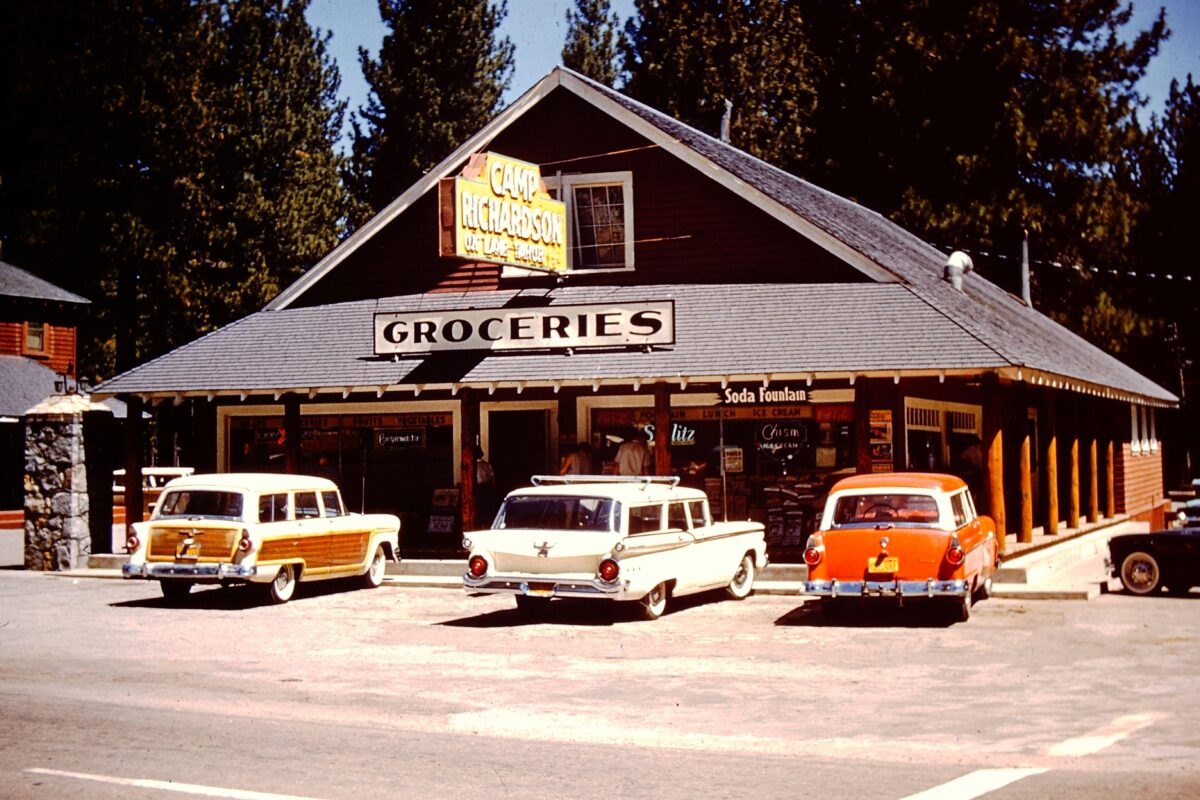
In many parts of America, a car is not a luxury. It is how people get to work, school, the grocery store, medical appointments, and family obligations. Yet car payments, insurance, repairs, tires, gas, registration, and loan interest have made transportation feel like another household giant sitting at the table.
The middle-class struggle here is especially cruel because giving up a car can mean giving up opportunity. A worker cannot simply stop driving when public transportation is weak or nonexistent. Families keep aging vehicles alive with repairs they cannot comfortably afford, or they take on new payments because the old car finally quits. Either way, mobility comes with a heavy bill.
Credit Cards Have Become Emergency Backup Plans

Many middle-class Americans are not using credit cards for wild shopping sprees. They are using them to survive timing problems. The paycheck arrives Friday, the car repair happens Tuesday, the school fee is due Wednesday, and the electric bill lands before anyone has caught their breath.
This creates a quiet debt cycle that can look normal from the outside. Minimum payments go out, balances linger, interest grows, and families keep telling themselves they will catch up next month. Credit becomes less of a convenience and more of a bridge over a budget that keeps cracking underneath them.
Savings Disappear Faster Than They Grow
Middle-class families know they should have emergency savings. The problem is that emergencies now arrive wearing ordinary clothes. A broken appliance, a dental crown, a car repair, a higher utility bill, or a sick pet can drain money that took months to build. Saving becomes a constant game of climbing a hill that keeps sliding backward.
This is one reason many households feel embarrassed by their own financial lives. They may earn enough to appear stable, but not enough to absorb repeated hits without stress. A savings account can exist in January and be gone by March. Quietly, people keep rebuilding the same cushion over and over again.
Adult Children And Aging Parents Need Help Too
The middle-class family budget no longer stops at one household. Many parents are helping adult children with rent, phone bills, groceries, tuition, insurance, or emergency expenses. At the same time, they may be helping aging parents with medical costs, home repairs, transportation, or daily care.
This sandwich pressure is emotionally complicated. People want to help family, but every act of support pulls money from retirement, savings, or their own monthly breathing room. They do not always call it financial strain because love is involved. Still, love does not cancel the bill. It just makes the sacrifice harder to discuss.
Job Security Feels Less Secure Than It Looks
A middle-class job used to carry a certain promise. It may not have made anyone rich, but it offered a path toward stability. Now, many workers feel uneasy even when employed. Layoffs, automation, restructuring, rising expectations, stagnant raises, and the pressure to stay constantly available have made work feel less predictable.
This anxiety stays quiet because people do not want to sound ungrateful. They still have jobs, so they swallow the stress. They answer emails after hours, take on more tasks, avoid using vacation days, and hope they do not become the next budget cut. The paycheck is still coming, but the peace that used to come with it is fading.
Retirement Feels Like A Moving Finish Line
Retirement has become one of the biggest quiet worries in middle-class life. Many people are saving something, but not enough to feel confident. Every emergency withdrawal, every skipped contribution, every market dip, and every year of higher prices make the finish line seem farther away.
The hardest part is that middle-class Americans are often expected to solve retirement on their own. They must balance today’s bills against tomorrow’s survival. They know they should invest more, but the present keeps demanding cash. Retirement starts to feel less like a reward and more like a question nobody wants to answer too honestly.
Conclusion
The quiet struggle of middle-class Americans is not always about dramatic poverty or visible crisis. It is often about pressure that builds behind ordinary doors. It shows up in smaller grocery carts, delayed doctor visits, skipped vacations, postponed home repairs, rising credit balances, and late-night budget checks at the kitchen table.
What makes this struggle so painful is the performance of normalcy. Many families still look fine because they are working hard to appear fine. They keep showing up, paying what they can, helping relatives, raising children, and holding their lives together with discipline and hope. The middle class is still standing, but for many Americans, standing now takes far more effort than it used to.