5 Rice Dishes That Put White Wine to Good Use
White wine belongs in the cooking pot as well as beside your plate. These five rice dishes use it at specific stages, from reducing it with toasted rice to loosening browned bits in a skillet. Each offers a different way to work wine into dinner without guessing when to pour.
The important detail is the measurement. These recipes call for different wine quantities, and their cooking methods don’t overlap. Use the amounts below as a guide to choosing a dish, then follow the linked recipe for complete ingredients and instructions.
Mushroom Risotto
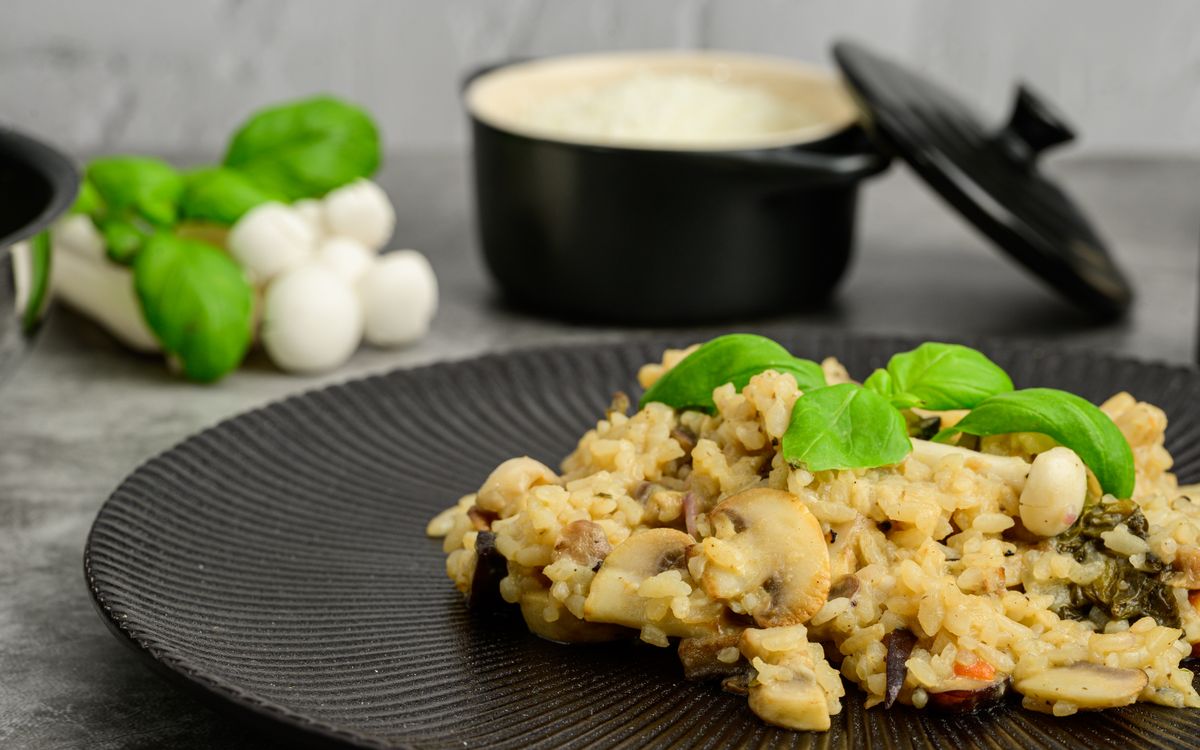
Mushrooms, shallot, garlic, butter and Parmesan form the foundation of chef Joseph Denison Carey’s mushroom risotto. His BBC Food recipe combines fresh and dried mushrooms with risotto rice and stock. White wine enters the pan before the stock is added gradually.
For 250 grams of risotto rice, Carey calls for 100 milliliters of dry white wine. First, soften the shallot and cook the rice in the oil as directed. Add the measured wine and let the rice absorb it before introducing hot stock, a ladle at a time.
That sequence gives you a clear checkpoint. Instead of pouring wine and stock into the pan together, follow the recipe’s separate stages. Keep the remaining ingredients measured and ready so you can concentrate on the rice as it cooks.
The finishing texture matters here, too. Carey’s recipe aims for risotto that flows rather than holding a firm mound on the plate. If it stiffens, loosen it with stock, then add the butter and Parmesan before making your final seasoning judgment.
Relste: 8 Natural Food Ingredients That Make Everything Taste Better
Lemon-Zucchini Risotto With Thyme
James Martin’s BBC Food recipe brings zucchini, shallots, garlic, thyme, Parmesan, and lemon into the same risotto. White wine is used during cooking, while lemon zest and juice finish the dish. The recipe gives these ingredients separate roles rather than treating one as a replacement for another.
Martin uses 200 milliliters of wine for 200 grams of risotto rice. That is a different proportion from Carey’s mushroom version. It is a useful reminder that the word “splash” should not replace an actual measurement.
After coating the rice in butter, add the wine and reduce it before adding the hot stock. Follow Martin’s instructions for the vegetables and remaining ingredients. The linked recipe provides the complete method, including details beyond this overview.
At the end, add lemon juice to taste. Start with the zest and taste the finished rice before deciding how much juice to add. There is no need to invent a new wine quantity or lemon measurement when the recipe already supplies a method.
Shrimp-and-Scallop Risotto
Michele Urvater’s seafood risotto recipe combines short-grain rice with shrimp, scallops and onion. Fish stock or diluted clam juice provides the cooking liquid, along with tomatoes, parsley, and butter. Add dry white wine to the rice before the stock.
The recipe uses half a cup of dry white wine for one and a half cups of rice. Cook the onion and lightly toast the rice as directed before adding it. Let the wine almost entirely evaporate, then gradually add the stock.
Another key difference in this version: the seafood doesn’t stay in the pan for the entire rice-cooking process. Urvater cooks it separately and incorporates it later as the rice finishes. Follow that sequence instead of adding the shellfish during the initial wine reduction.
Keep the wine requirement straightforward. The recipe calls for dry white wine, and this overview doesn’t specify a grape variety. Follow the original ingredient list and cooking directions.
Chicken-and-Rice Casserole
White wine also appears in Simply Recipes’ chicken-and-rice casserole. This version combines browned chicken thighs, mushrooms, onion, garlic, white rice, stock, cream, and sour cream. The dish also includes herbs and paprika.
For one cup of uncooked rice, the recipe calls for a quarter cup of dry sherry or dry white wine. After removing the cooked vegetables, add the wine to the pan and scrape up the browned bits. Reduce it to about one tablespoon before adding the stock and dairy.
Here, wine is used during the skillet stage before the casserole is assembled. Do not interpret its inclusion as an instruction to pour extra wine directly into the baking dish. Keep the recipe’s stock and dairy quantities as written.
The recipe specifies medium- or long-grain white rice. Don’t assume the liquid quantities and cooking method will work unchanged with brown rice. For a version without wine, the recipe explicitly permits a quarter cup of extra chicken stock instead.
Saffron Risotto With Roasted Butternut Squash
Ina Garten’s recipe combines roasted butternut squash, saffron, pancetta, shallots, and Parmesan with Arborio rice. It calls for half a cup of dry white wine for 1.5 cups of rice. The wine is added before the stock and saffron.
Cook the pancetta and shallots in butter, then stir in the rice to coat it. Add the wine and cook for two minutes, then add the first stock and saffron. Continue with the full recipe’s method, then fold in the roasted squash and Parmesan off the heat.
Choose a dish, measure its wine, and follow the complete recipe from start to finish.