The Farmers Market Finds That Can Turn Into an Entire Weekend Menu
A loaf of bread, a bunch of greens, a few sturdy vegetables, and some fruit can become the foundation of an entire weekend menu, not just a collection of purchases you admire before forgetting them in the refrigerator. Add eggs or beans, a handful of pantry staples, and a little planning, and those market finds can carry you from Saturday breakfast through Sunday dinner. The six-meal menu below is an original planning suggestion, not a tested recipe collection.
The trick is to shop for ingredients with more than one job. University of Florida IFAS Extension advises making a list to support meal planning, stay within budget, and avoid waste. At the same time, the American Diabetes Association’s Diabetes Food Hub recommends walking through the market before buying. Together, those ideas offer a useful balance: arrive with a plan, but leave room for what vendors actually have.
Build a Basket That Works Beyond One Meal

Start with a flexible shopping list: bread, eggs if available, leafy greens, onions, potatoes or another sturdy vegetable, fresh herbs, and fruit. Add beans from your pantry, plus any cooking oil, seasonings, yogurt, or other ingredients you already keep at home. This is a suggested framework, not a promise about every market’s selection. USDA’s market directory includes product offerings, operating hours, and accepted payment methods, so you can check it before you go.
Let your location guide your produce choices, rather than treating a generic fall list as a guarantee. FoodPrint notes that growing seasons vary with geography and weather, and some crops can be stored and sold beyond their harvest season. Apples, pears, squash and greens may suit your local offerings, but the sensible move is to ask what is available and where it came from. A market stall is not, by itself, proof that everything on it was grown nearby.
The vendors can also help turn an unfamiliar vegetable into dinner instead of a kitchen decoration. The University of Florida’s shopping guide notes that many sellers enjoy sharing recipes and explaining how they grow or make their products. Ask which vegetables roast well, which greens are tender enough for salads, and which fruit is ready to eat. That conversation can make your menu more practical without requiring you to buy something simply because it looks impressive.
Saturday: Breakfast, Lunch and a Dinner With Sunday Potential
For Saturday breakfast, make a vegetable-and-egg skillet with toast. Sauté a little onion and chopped greens, then add eggs and cook thoroughly; serve with the bread instead of buying another breakfast ingredient. The specific combination is a menu suggestion, so choose vegetables you know how to prepare and adjust portions to your household. Keep unused eggs refrigerated, and follow safe cooking guidance rather than judging doneness solely by appearance.
Lunch can be a bean-and-greens salad with bread, using pantry beans and a portion of the market’s leaves. Add chopped herbs and a dressing made from ingredients you already have. If the greens you bought are better cooked than eaten raw, serve warm beans with sautéed greens instead. This is where a flexible basket earns its keep: the meal has a clear structure, but it does not depend on finding one particular lettuce or an out-of-season tomato.
Make Saturday dinner a roasted-vegetable meal with beans and an herby dressing. Potatoes, carrots, or winter squash are good choices, depending on your purchases; use a reliable recipe for the vegetables you select rather than assuming they all need the same cooking time. Prepare enough for Sunday lunch, then set that portion aside before serving. You are giving one cooking session a second assignment, not leaving a tray out overnight and calling it meal prep.
That second assignment needs prompt refrigeration. University of Florida’s food-safety guidance says perishable foods should be refrigerated or frozen within two hours, or within one hour when the outside temperature exceeds 90°F. Keep raw animal products separate from ready-to-eat foods, and use separate preparation equipment where needed. The weekend-menu strategy only works if tomorrow’s lunch is handled as carefully as tonight’s dinner.
Related: The Small Businesses Turning Local Markets into More Than Just Shopping Trips
Sunday: Use the Rest Without Making Every Meal Feel Repeated
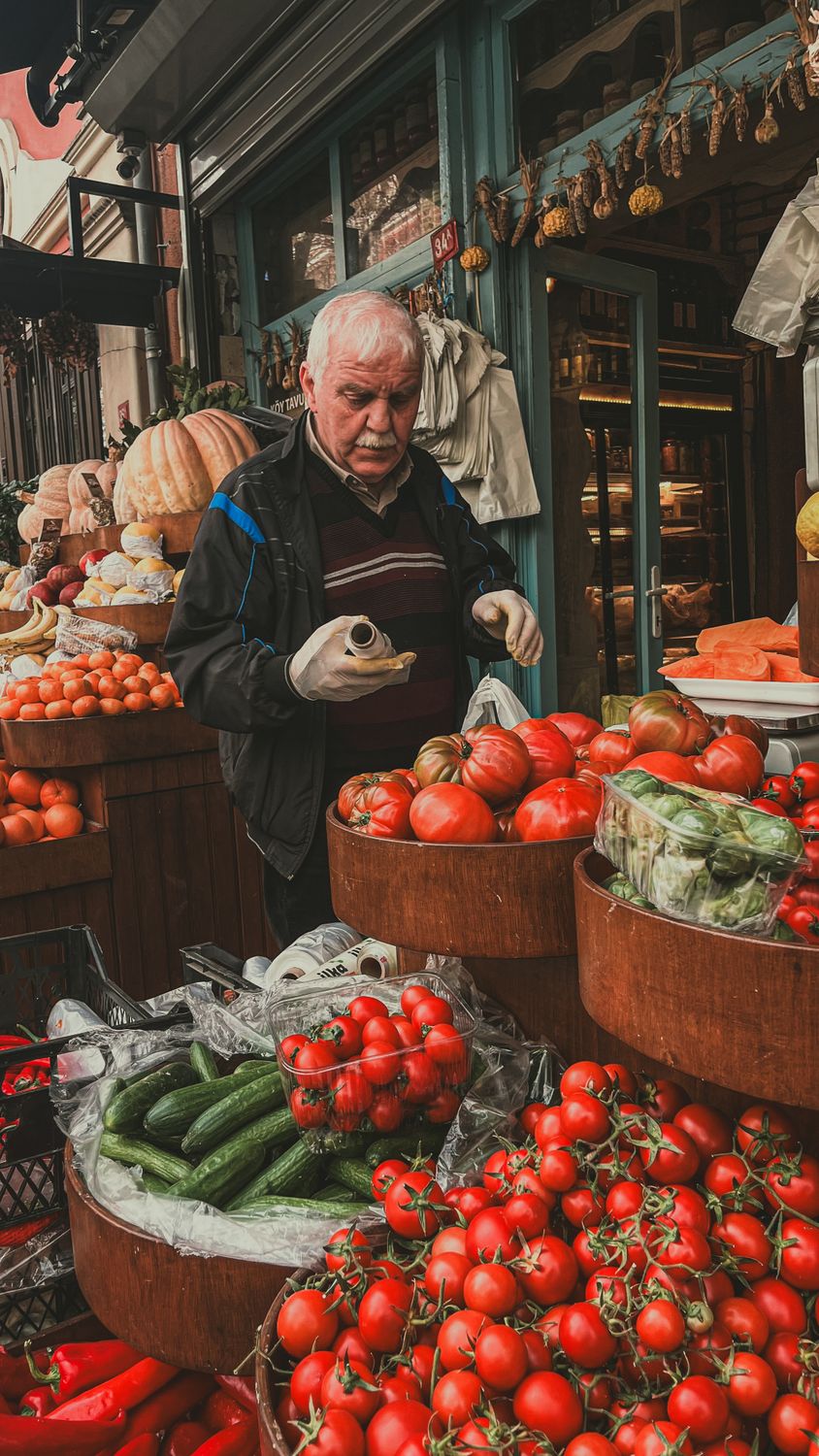
Sunday breakfast can turn the same bread and eggs into French toast, with market fruit on the side. Milk or a suitable alternative, plus whatever seasonings your preferred recipe requires, would come from the pantry or a separate purchase. This doesn’t mean every ingredient must come from the market. It is a way to make the fresh purchases anchor the meal while ordinary kitchen supplies do the supporting work.
For Sunday lunch, turn the refrigerated roasted vegetables into a warm bean bowl or serve them on toast with an egg. Add the remaining herbs for a different finish from Saturday’s dinner. Reheat leftovers thoroughly; USDA guidance calls for reheating leftovers to 165°F, a temperature also included in the University of Florida’s food-safety recommendations. A food thermometer gives you a clearer answer than whether the bowl feels warm or the vegetables have started steaming.
Sunday dinner can be a vegetable-and-bean soup made with the remaining onion, greens, and sturdy vegetables, using broth and seasonings from your pantry. Follow an established soup recipe for quantities and cooking instructions; this article supplies a menu idea, not a tested formula. Bread can accompany the soup, and any remaining fruit can become dessert. As a result, the basket has contributed to six meals without requiring six unrelated shopping lists.
Before any of those meals, give the produce appropriate care. Wash fruits and vegetables under running water before preparing or eating them, including produce you will peel. University of Florida advises against soap or produce cleaners and recommends washing and cutting produce close to when it will be used, rather than preparing everything unnecessarily early. Buying from someone you can meet does not remove the need for normal food-safety practices.
Shopping wisely also means assessing condition, not just appearance or a charming display. Darlene Wolnik, program director at the Farmers Market Coalition, told FoodPrint, “Anything withered that was supposed to be fresh out of the ground should be questioned.” Ask before buying, choose quantities you can realistically use, and buy perishables last before you go home. The satisfying part of this weekend plan is not an overflowing tote; it is a basket whose contents already have somewhere delicious to go.