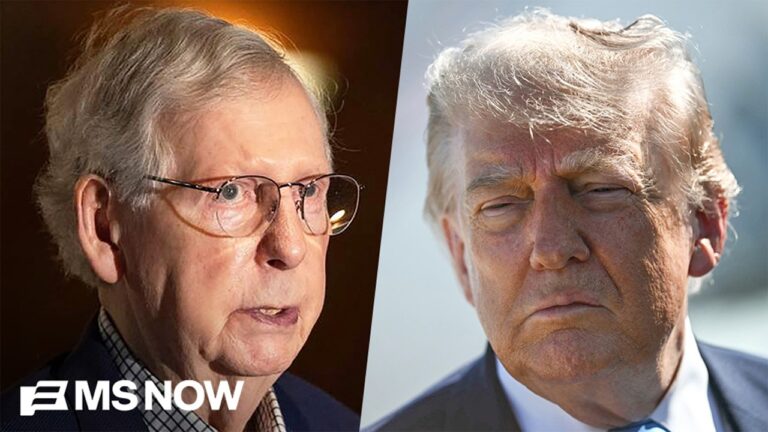
Iran crossed Trump’s red line, but the next move could decide the conflict’s future.
The world has entered a dangerous moment where a single military decision could reshape the future of the Middle East. Iran crossed Trump’s red line after an attack killed U.S. service members, creating a new test for Washington, Tehran, and the fragile balance that has prevented a wider war.
For months, the conflict between the United States and Iran remained trapped between open warfare and uneasy restraint. Military strikes, shipping disruptions, and escalating threats created a pattern of confrontation without a complete collapse into regional war. The deaths of American personnel, however, changed the political calculation and raised fears that the conflict could move into a far more destructive phase.
The phrase “red line” has carried enormous weight in international politics for decades. Governments often use it to signal limits they believe cannot be crossed without consequences. In this case, the issue is not only retaliation but whether a response designed to restore deterrence could unintentionally create a conflict that becomes impossible to contain.
A single attack changed the direction of an already unstable conflict.

The latest escalation began after Iran launched an attack that killed U.S. service members in Jordan. The incident represented a major turning point because American casualties have historically changed the way Washington responds to military threats. Previous confrontations involved strikes on equipment, bases, and infrastructure, but the loss of U.S. lives created a different level of political pressure.
President Donald Trump had previously indicated that the death of American troops would significantly alter his approach toward Iran. The administration faced pressure to demonstrate that attacks against U.S. forces would carry serious consequences. At the same time, officials had to consider the possibility that a larger military response could encourage Iran to expand its own operations.
This tension defines the current crisis. The United States wants to restore deterrence and prevent future attacks. Iran wants to show that it can respond to pressure and maintain influence across the region. Between those two goals sits a narrow space where diplomacy must compete with military action.
The situation reflects a recurring pattern in international conflicts. Many wars do not begin because leaders choose a full-scale confrontation from the start. They often develop through repeated responses, in which each side believes the previous action requires a further reaction.
The hidden strategy behind Iran’s pressure campaign
Iran’s approach does not rely only on conventional military strength. Tehran understands that it cannot match the United States in air power, naval technology, or global military reach. Instead, Iran has focused on methods that create uncertainty and increase costs for stronger opponents.
The Strait of Hormuz remains the center of this strategy. The narrow waterway connects the Persian Gulf to international markets and carries a significant portion of the world’s energy shipments. Any threat to shipping in the area immediately affects businesses, governments, and consumers far beyond the Middle East.
Iran’s leverage comes from disruption. The country does not necessarily need to permanently close the strait to create economic damage. Even the possibility of attacks can force shipping companies to reconsider routes, increase insurance costs, and delay commercial activity.
This approach has appeared in previous regional conflicts. Smaller powers have often used geography, unconventional tactics, and economic pressure to influence stronger opponents. Iran’s strategy follows that broader historical pattern by turning vulnerability into leverage.
The result is a conflict where military victory is difficult to measure. The United States may destroy weapons systems and military facilities, but Iran can still create instability through lower-cost methods.
Why the Strait of Hormuz has become the world’s economic pressure point

The conflict has expanded beyond military calculations because energy markets depend heavily on stability in the Persian Gulf. The Strait of Hormuz remains one of the most strategically important waterways in global commerce. Any prolonged disruption could influence fuel prices, transportation costs, and inflation trends worldwide.
Oil markets often react not only to actual supply shortages but also to uncertainty. When traders believe future supplies could become limited, prices can rise before a disruption fully develops. This means military tensions in the region can affect consumers even when fighting remains geographically distant.
Countries that rely heavily on imported energy face particular challenges during prolonged crises. Higher fuel costs can increase expenses for airlines, manufacturers, farmers, and transportation companies. Those costs eventually reach households through higher prices for goods and services.
The global economy has experienced similar energy shocks before. The oil crisis of the 1970s showed how geopolitical instability can influence economic decisions for years. Modern markets are more diversified, but energy security remains closely connected to political stability.
The Iran conflict demonstrates how a regional confrontation can create worldwide consequences. A military dispute near one waterway can influence economic decisions made thousands of miles away.
The battlefield is expanding beyond soldiers and weapons.
Another major concern is the growing role of infrastructure in the conflict. Modern warfare increasingly involves systems that support both military operations and civilian life. Power facilities, transportation networks, ports, and communication systems have become strategic targets because they influence a country’s operational capacity.
Iran and the United States have both argued that their strikes focus on military objectives. However, infrastructure damage can affect civilians regardless of the intended target. When electricity networks, transportation routes, or water facilities are disrupted, ordinary communities often experience the consequences first.
The humanitarian effects of infrastructure damage can continue long after fighting slows. Repairing damaged systems requires time, resources, and political stability. In previous conflicts, rebuilding basic services often became one of the biggest challenges after military operations ended.
This development creates another layer of complexity in the Iran conflict. The question is no longer only about who wins military engagements. It is also about how much damage societies can absorb before political pressure for a different path increases.
The expansion of the battlefield raises concerns about whether future conflicts will increasingly target the systems that keep modern societies functioning.
Trump faces a difficult choice between strength and restraint.
The latest escalation places President Trump in a challenging position. His administration must balance domestic demands for a strong response with the risks of entering a prolonged conflict. The same decision that demonstrates strength could also create pressure for further military involvement.
American presidents have faced similar dilemmas throughout history. Leaders often enter conflicts believing they can achieve limited objectives, only to discover that military campaigns become more complicated over time. Vietnam, Iraq, and Afghanistan each demonstrated how difficult it can be to translate battlefield advantages into lasting political outcomes.
The current Iran conflict presents a different but familiar challenge. The United States has the ability to strike targets inside Iran, but military power alone may not solve the political dispute at the center of the confrontation.
A larger campaign could weaken Iran’s military capabilities, but it could also encourage retaliation against U.S. forces and regional allies. A smaller response could reduce immediate risks but may not satisfy those demanding a stronger deterrent message.
The decision facing Washington is therefore not simply about responding to one attack. It is about determining whether the next action reduces danger or creates a larger one.
Iran’s economic struggles have not eliminated its influence.
Years of sanctions and international pressure have placed serious strain on Iran’s economy. Restrictions on trade, investment, and energy exports have affected growth and created challenges for ordinary citizens. However, economic pressure has not removed Iran’s ability to influence regional events.
Governments under pressure do not always respond by becoming weaker. Sometimes they rely more heavily on national security policies and military strategies. Iran has continued developing missile systems, drone capabilities, and regional partnerships despite economic difficulties.
This explains why the Iran conflict remains difficult to resolve through pressure alone. Economic restrictions can weaken a government’s resources, but they do not automatically change its strategic priorities.
Iran’s leadership views control over regional influence as essential to national security. The United States views Iranian military activity as a threat to regional stability. These competing perspectives continue to drive the confrontation.
Without addressing those deeper disagreements, temporary pauses in fighting may only delay future crises.
The collapse of diplomacy leaves a dangerous gap.
Diplomatic efforts have repeatedly struggled because the two sides disagree over the fundamental issues behind the conflict. Washington wants secure international shipping and limits on Iran’s military activities. Tehran wants recognition of its regional influence and protection from what it views as foreign pressure.
Previous agreements reduced tensions temporarily but failed to resolve the larger dispute. The result has been a cycle where diplomacy creates short pauses, but unresolved issues eventually return.
History shows that ceasefires are often fragile when the causes of conflict remain unchanged. Agreements can stop immediate violence, but they require trust and compromise to create lasting stability.
The challenge in the Iran conflict is that both sides have strong reasons to avoid appearing weak. Political leaders often face domestic pressure to maintain a firm position, even when compromise may reduce long-term risks.
The absence of diplomacy creates a dangerous environment in which military decisions become the primary means of communication.
The next chapter of the Iran conflict may depend on restraint.
Iran crossed Trump’s red line, but the consequences of that moment remain uncertain. The United States now faces a decision that extends beyond retaliation. It must determine how to respond without creating a conflict that grows beyond its original purpose.
The history of international crises shows that powerful nations are often tested not only by their ability to fight but by their ability to prevent unnecessary escalation. Military strength can influence outcomes, but lasting stability usually requires political solutions.
The Iran conflict has already demonstrated how quickly regional tensions can affect global markets, civilian populations, and international security. The most important question now is whether leaders can recognize the risks of escalation before events move beyond their control.
A war can begin with a single strike, but ending one requires far more than military power. It requires judgment, patience, and the willingness to choose a different path before the consequences become impossible to reverse.