8 Foods Boomers Say Taste Nothing Like They Used To
Ask almost anyone over 60 about the food they grew up with, and you will hear the same complaint. It does not taste the way it used to. The tomatoes are bland, the chicken is watery, and the candy bars are smaller and less chocolatey.
Younger people often roll their eyes and blame nostalgia. Memory does play tricks, and childhood favorites always seem better in hindsight. But in many cases, the boomers are right.
Farming, recipes, and ingredients have changed a great deal since the 1960s. These eight foods are the ones older Americans most often say have lost their flavor, along with the real reasons behind the change.
1. Tomatoes
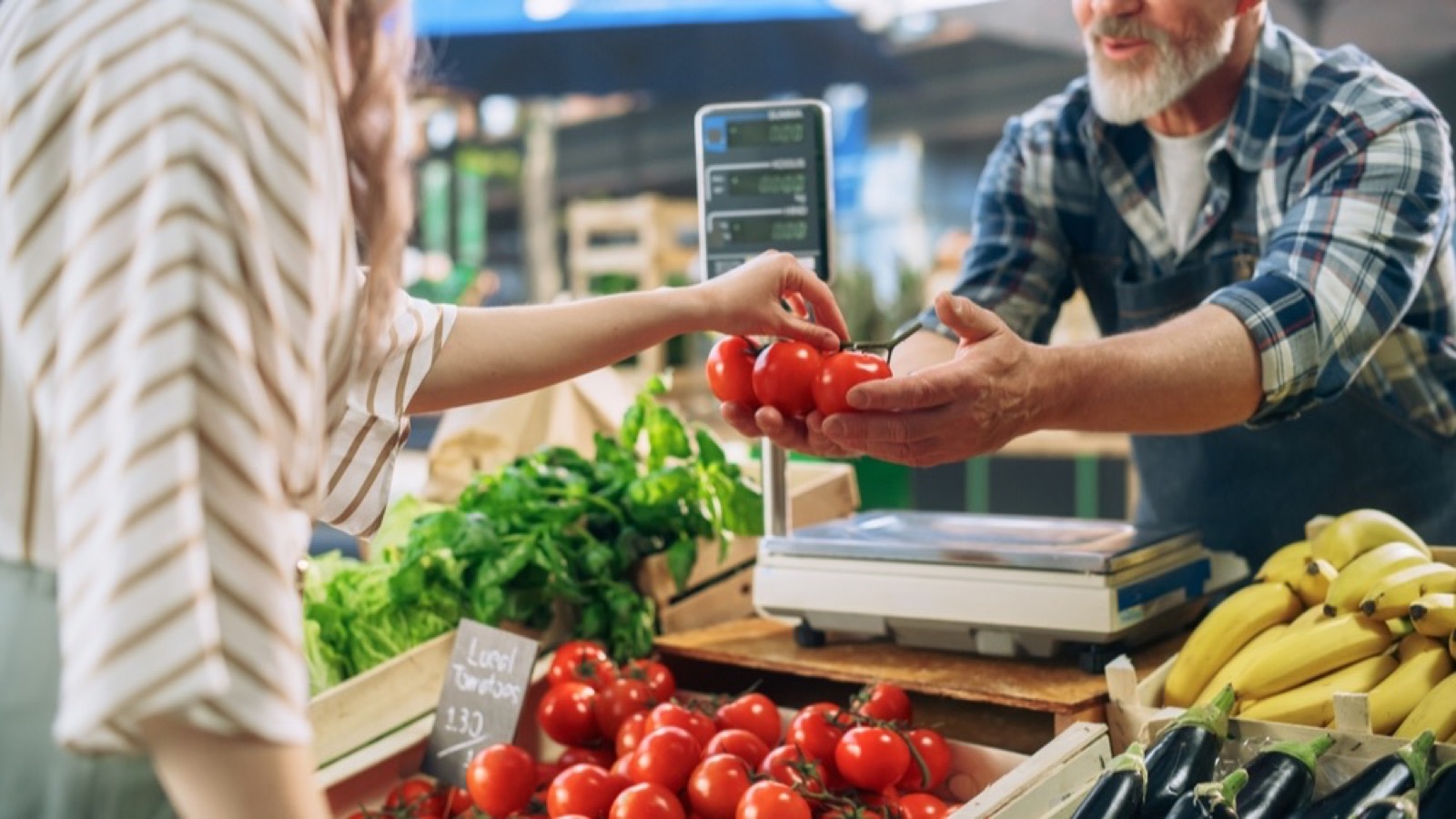
No food draws more complaints than the supermarket tomato. Boomers remember tomatoes from the garden or the roadside stand that were soft, juicy, and bursting with flavor. Today’s store tomatoes are often firm, pale, and nearly tasteless.
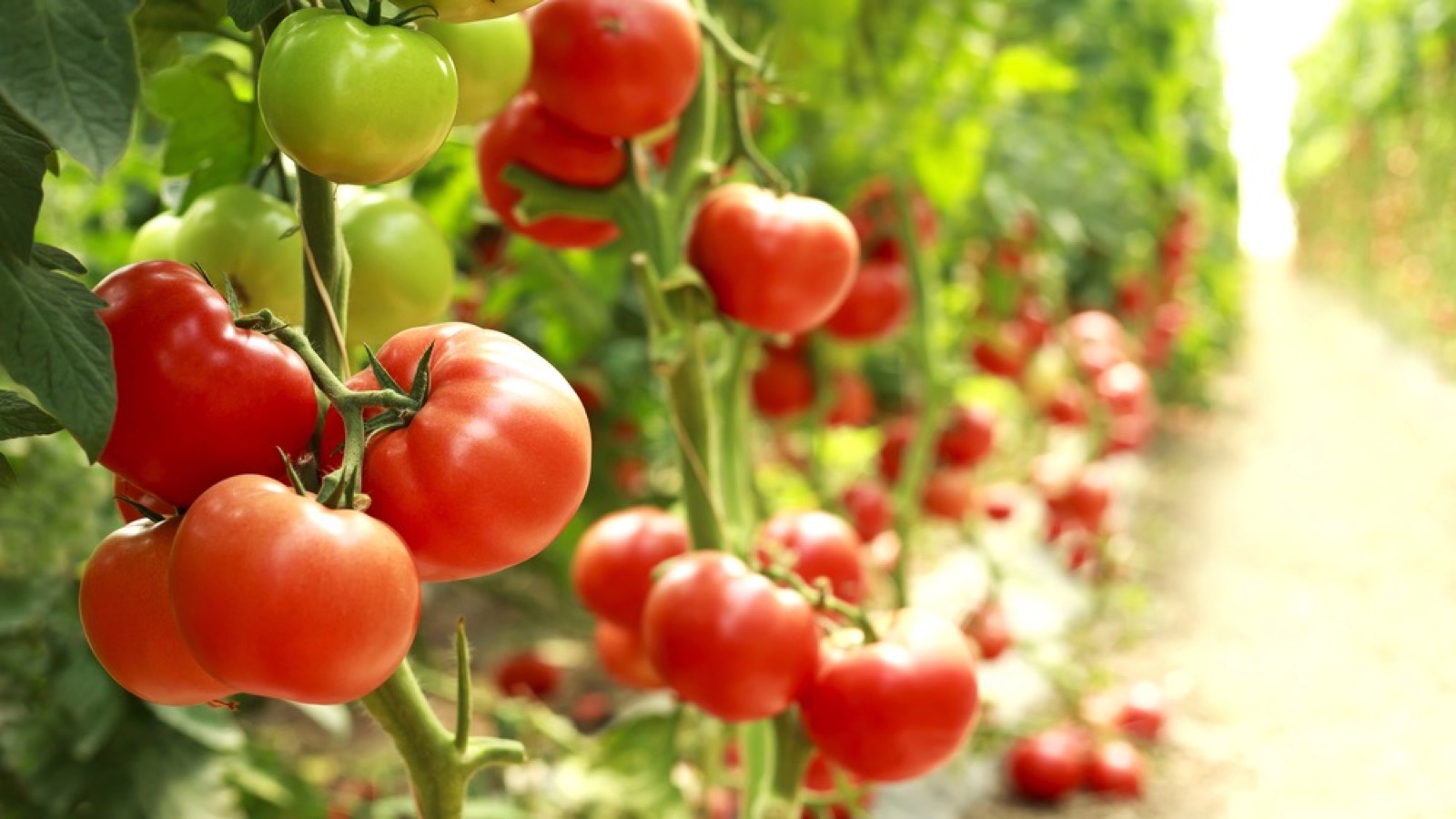
There is solid science behind this one. As National Geographic has explained, growers bred tomatoes to ripen evenly and look uniformly red, and that same trait reduced the sugars that give tomatoes their taste. Tomatoes are also picked green so they can survive long truck rides.
2. Chicken
Many older cooks say chicken used to have real flavor. The birds their mothers bought were smaller, took longer to raise, and had firmer meat. A Sunday roast chicken filled the house with a rich smell.
Modern chickens grow far faster and much larger than the birds of the 1950s. That has made chicken cheap and plentiful, but many people feel the taste has suffered. Some cooks also notice that today’s meat releases more liquid in the pan.
3. Pork
Boomers remember pork chops that were juicy and tender with a rim of fat. Starting in the 1980s, pork was bred to be much leaner and was promoted as a lighter meat. The result was healthier on paper but far easier to dry out.
Fat carries flavor, so less fat means less taste. Many home cooks kept using their mothers’ cooking times, which made matters worse. A chop that would have been perfect in 1965 can turn tough and dry today.
4. Bread
Bakery bread was a daily pleasure for many families. It came from a neighborhood baker, was baked that morning, and went stale within a couple of days. The crust was crisp and the inside had real chew.
Most bread today is made in large factories and designed to stay soft for a week or more. It is convenient, but boomers often say it tastes like nothing. The recent boom in sourdough and artisan loaves shows how many people missed the old kind.
5. Candy Bars
Many boomers swear their favorite candy bars were bigger and richer. They are not imagining the size. Packages of all kinds have shrunk over the years while prices stayed the same or rose.
Economists call it shrinkflation, and the Bureau of Labor Statistics has measured it across snacks and other household goods. Some recipes have changed too, with different fats and sweeteners used over time. Even a small change can be obvious to someone who ate the original for decades.
6. Soda
Soda drinkers of a certain age insist that cola tasted better from a glass bottle. They remember a sharper, cleaner sweetness. Many say today’s soft drinks are syrupy and flat by comparison.
Part of the difference is the sweetener. In the 1980s, most major American soft drink makers switched from cane sugar to high-fructose corn syrup. Fans still seek out imported or “throwback” versions made with sugar, and they say they can taste the difference.
7. Ice Cream
Boomers remember ice cream that was dense, creamy, and slow to melt. It came in a round carton or was hand-dipped at the drugstore counter. A half gallon was a true half gallon.
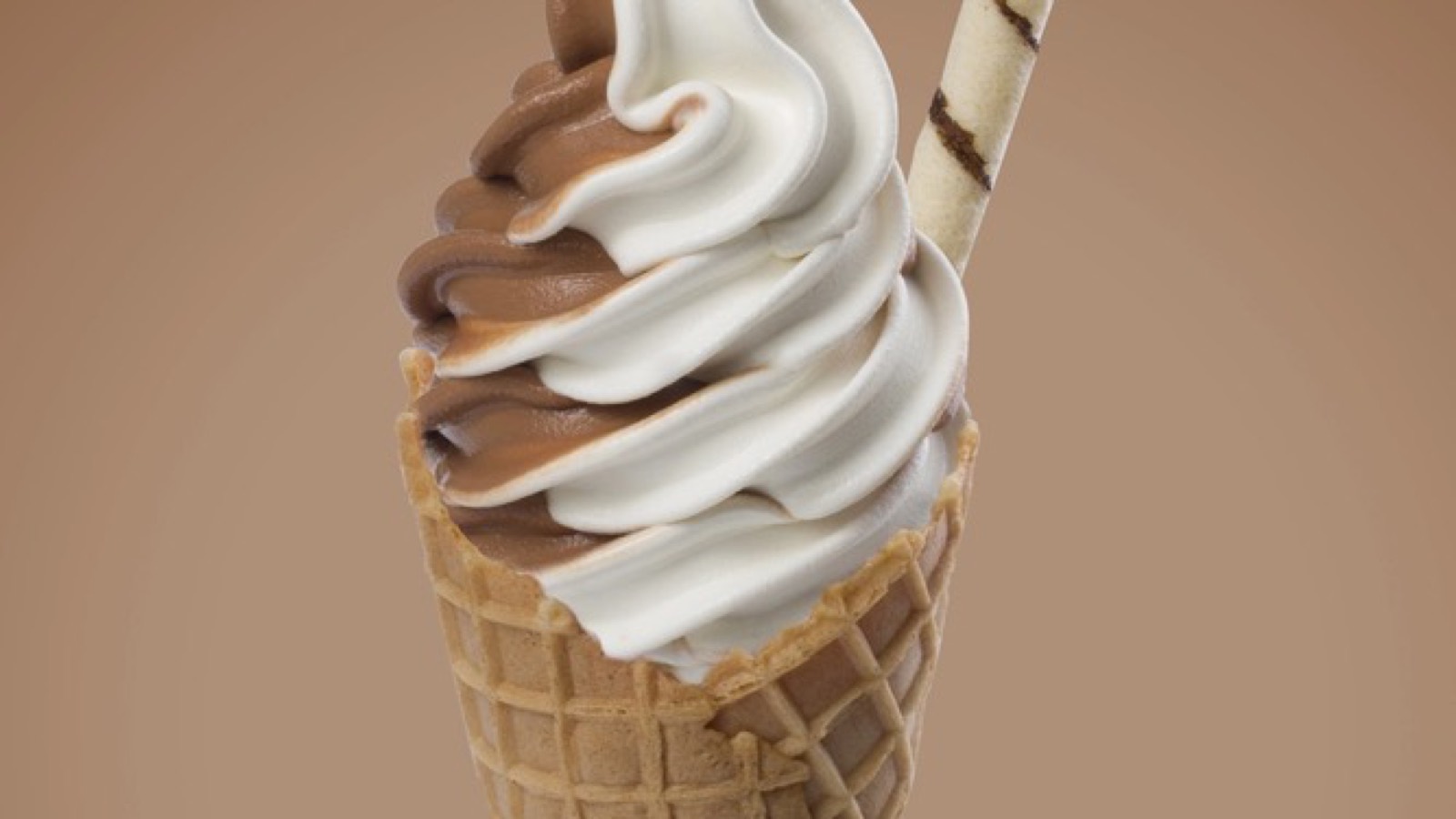
Today many cartons are smaller, and some products are whipped with more air. Certain frozen treats no longer meet the legal definition of ice cream at all and must be labeled “frozen dairy dessert.” Under FDA rules, real ice cream must contain at least 10 percent milkfat.
8. Fast-Food French Fries
Anyone who ate fast-food fries before 1990 remembers how good they were. They were crisp, golden, and had a rich, savory taste. People often say no fry since has matched them.
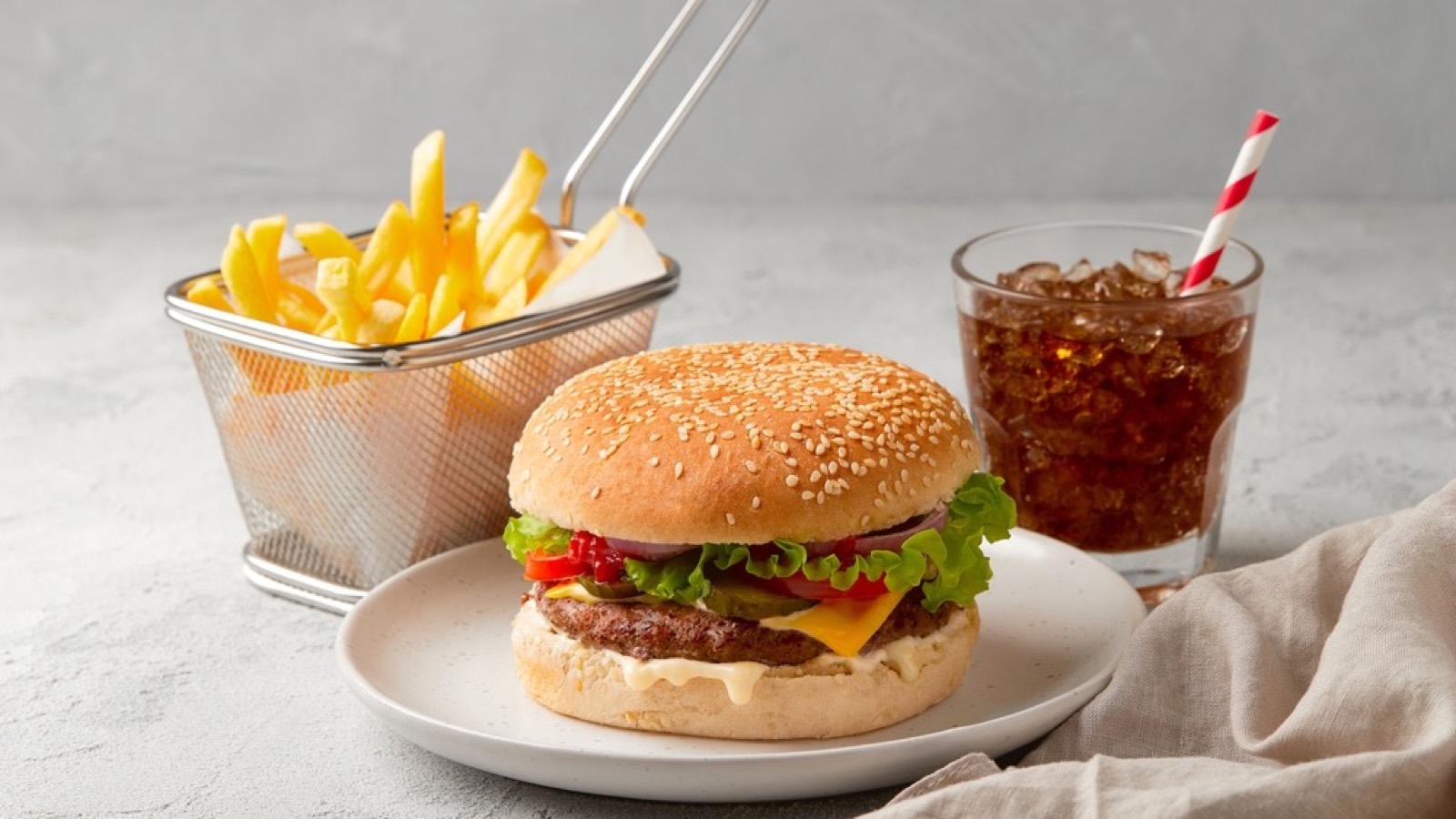
The reason is the cooking fat. Major chains once fried their potatoes in beef tallow and later switched to vegetable oil because of health concerns about saturated fat. The fries are still popular, but many boomers say the old flavor never came back.
Why So Much Food Has Changed
Most of these changes happened for practical reasons. Farmers and food companies wanted products that grew faster, shipped farther, and lasted longer on the shelf. Flavor was often traded away for size, appearance, and price.
Health advice played a part as well. Americans were told to cut back on fat, so meat got leaner and frying oils changed. Recipes were adjusted again and again as companies responded to new rules and new costs.
Price pressure never stops. When ingredients get more expensive, manufacturers may shrink the package or swap in cheaper ingredients. Boomers who remember the originals notice these changes more than anyone, which helps explain the many grocery prices and products that surprise shoppers today.
Is Some of It Just Memory?
Nostalgia does matter. Food eaten in childhood is tied to happy memories, and that makes it seem better than it may have been. A hamburger at age ten, after a day at the lake, is hard for any modern burger to beat.
Taste also changes with age. The senses of taste and smell often become less sharp as we get older, according to the National Institute on Aging. Food that seems bland may partly reflect changes in the person eating it.
Even so, the evidence shows that boomers are not making it up. Many foods truly are different from what they were 50 years ago. These are the foods boomers loved with a passion, and they have good reason to miss them.
How to Find the Old Flavors
The good news is that the old tastes are not gone forever. Farmers’ markets sell heirloom tomatoes and pasture-raised chicken that taste much closer to what older Americans remember. Local bakeries are once again making real crusty bread.
Growing a few tomato plants in the backyard is the surest fix of all. Cooking from scratch with butter, real sugar, and whole ingredients also brings back familiar flavors. Which food do you think has changed the most since you were young?