10 Foods Boomers Grew Up Eating That Nutritionists Now Praise
Boomers have heard a lot of criticism about the food they grew up on. They have been told that the gelatin salads were strange, the casseroles were too salty, and the breakfast cereals were mostly sugar. Some of that is fair.
But not everything on the 1950s and 1960s table deserves the teasing. Many everyday foods of that era were simple, cheap, and remarkably good for you. Mothers and grandmothers served them because they were affordable, not because they were trendy.
Decades later, nutrition experts are pointing to those same foods as models of healthy eating. Here are ten foods boomers grew up eating that nutritionists now praise.

1. Oatmeal
A bowl of hot oatmeal was the standard winter breakfast in millions of homes. Mothers cooked it on the stove and served it with milk and a little brown sugar. It was cheap, warm, and kept children full until lunch.
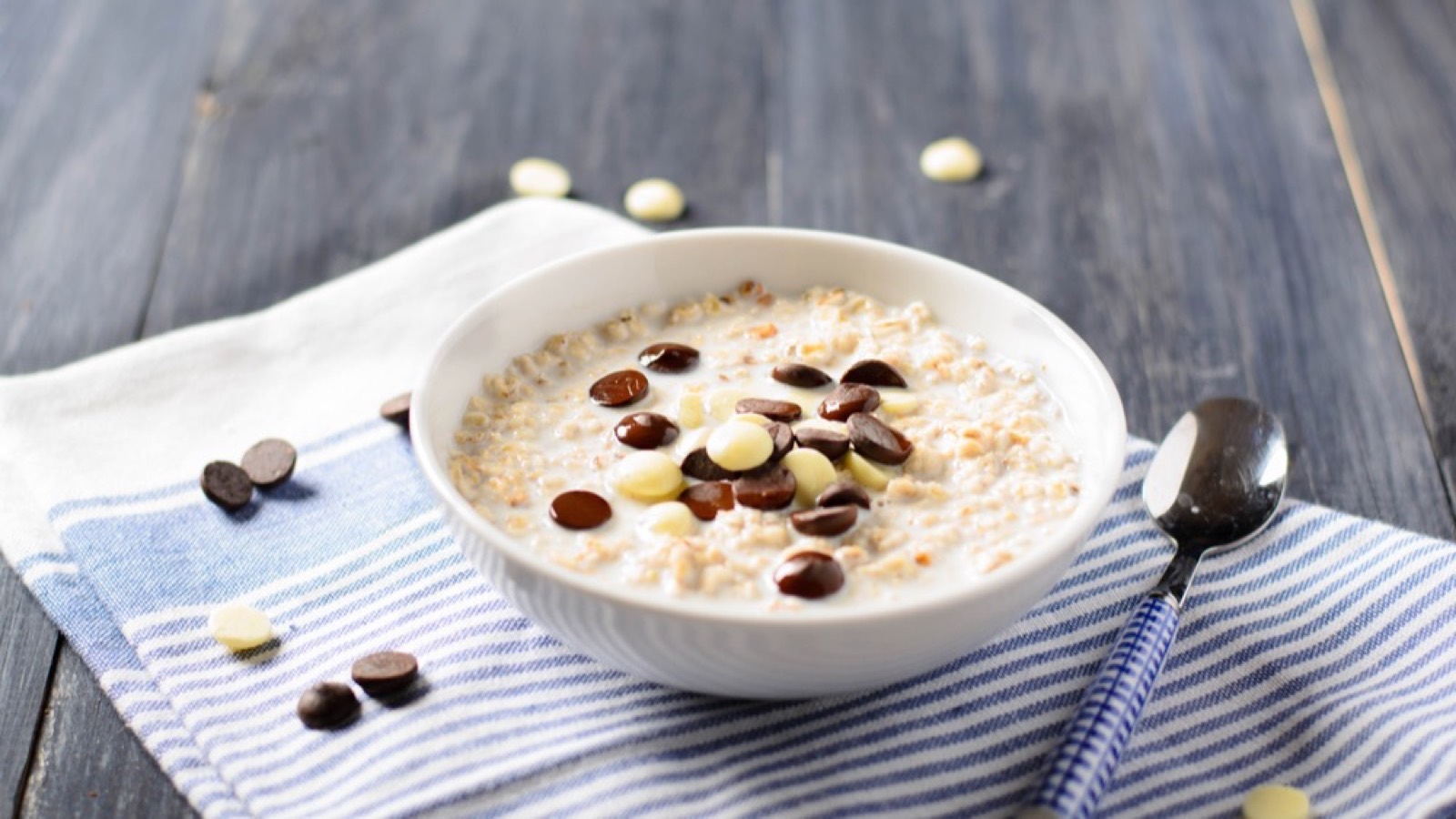
Today, oats are considered among the healthiest breakfast choices. According to Harvard Nutrition Source, oats contain a soluble fiber called beta-glucan that has been linked with lower cholesterol. Grandma’s “stick to your ribs” breakfast was ahead of its time.
2. Beans
Pinto beans, navy beans, and lima beans were on the table several times a week. A pot of beans with cornbread was a full supper in many households. They were served because they cost pennies and fed a crowd.
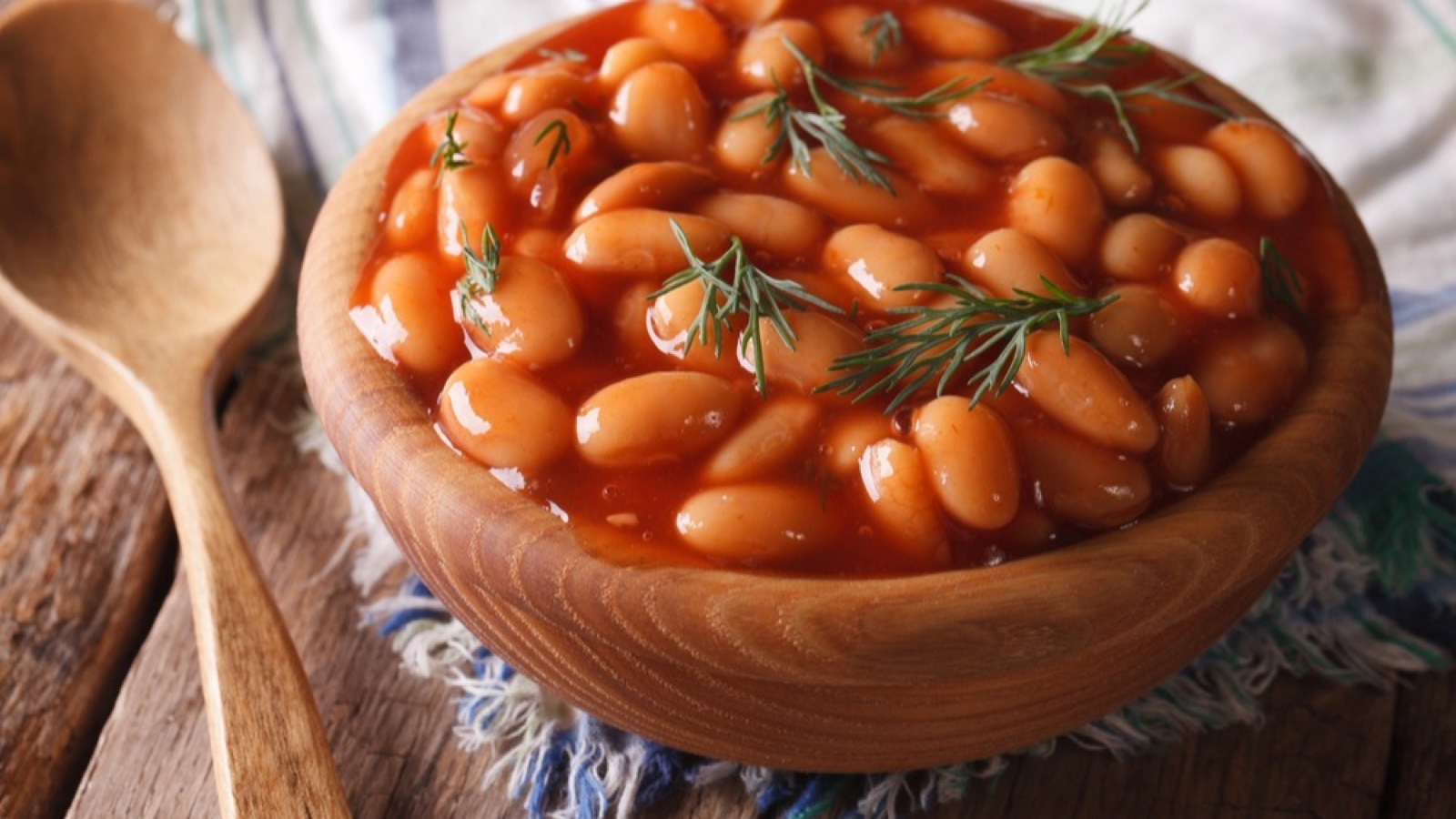
Nutritionists now call beans a nearly perfect food. They are rich in protein, fiber, and minerals, and they are very low in fat. Harvard notes that legumes are an important part of healthy eating patterns around the world.
3. Sardines and Canned Salmon
Many boomers remember their parents eating sardines on crackers or making salmon patties from a can. Children often turned up their noses. Canned fish was simply a cheap, convenient source of protein.
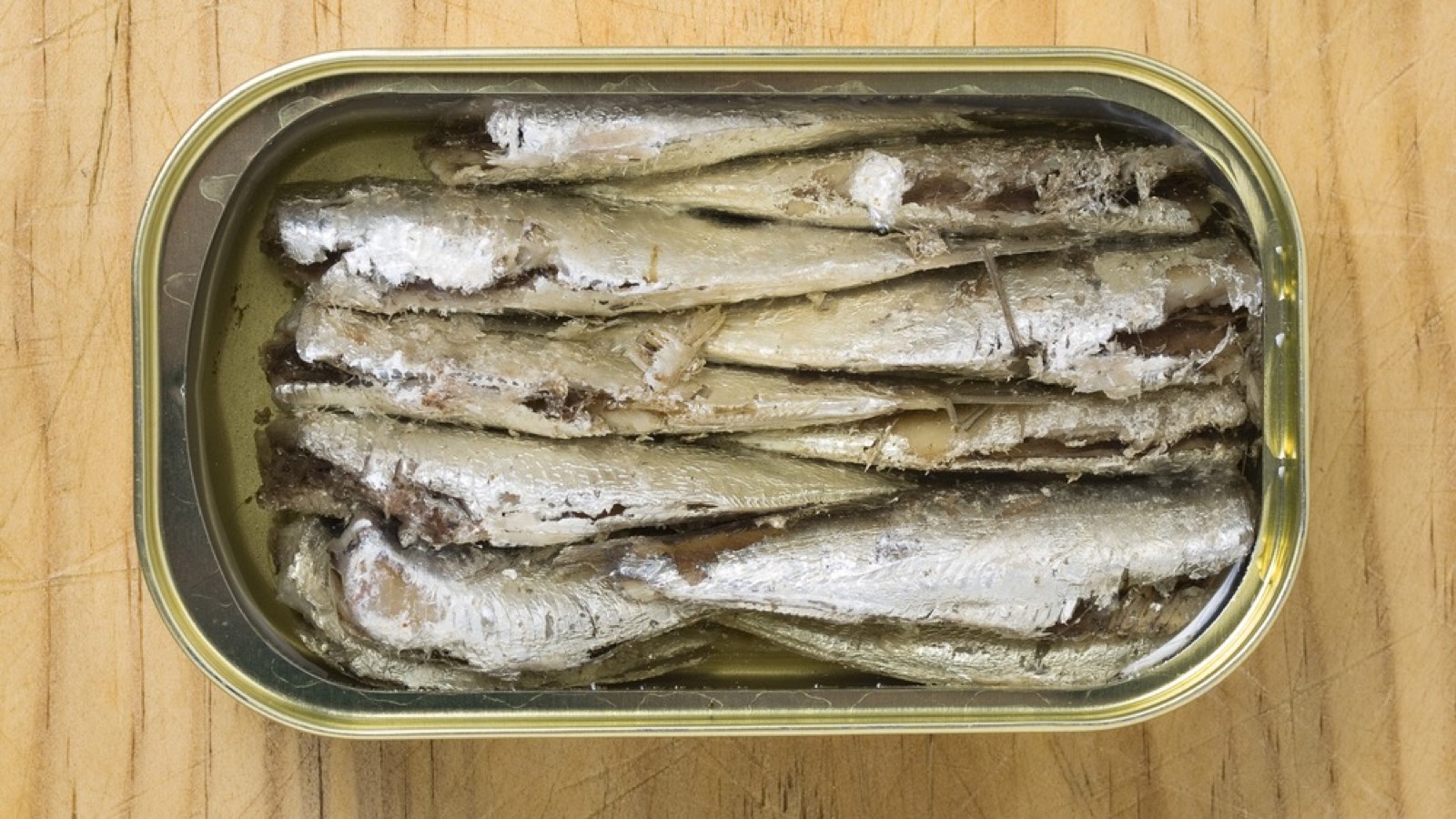
These small, oily fish are now recommended by dietitians. They provide omega-3 fats, and the soft bones in canned salmon and sardines are a good source of calcium. The FDA lists both among the best choices for fish that are lower in mercury.
4. Cabbage
Cabbage was a year-round staple because it was cheap and kept for weeks. It appeared as coleslaw, boiled cabbage, stuffed cabbage rolls, and sauerkraut. Many children were not fans of the smell.
Today cabbage is praised as a nutrient-dense vegetable that is very low in calories. It provides vitamin C, vitamin K, and fiber. Fermented cabbage, in the form of sauerkraut, is also valued as a source of beneficial bacteria.
5. Sweet Potatoes
Sweet potatoes were a regular side dish, especially in the South. They were baked whole, mashed, or made into pie. Families grew them in the garden and stored them through the winter.
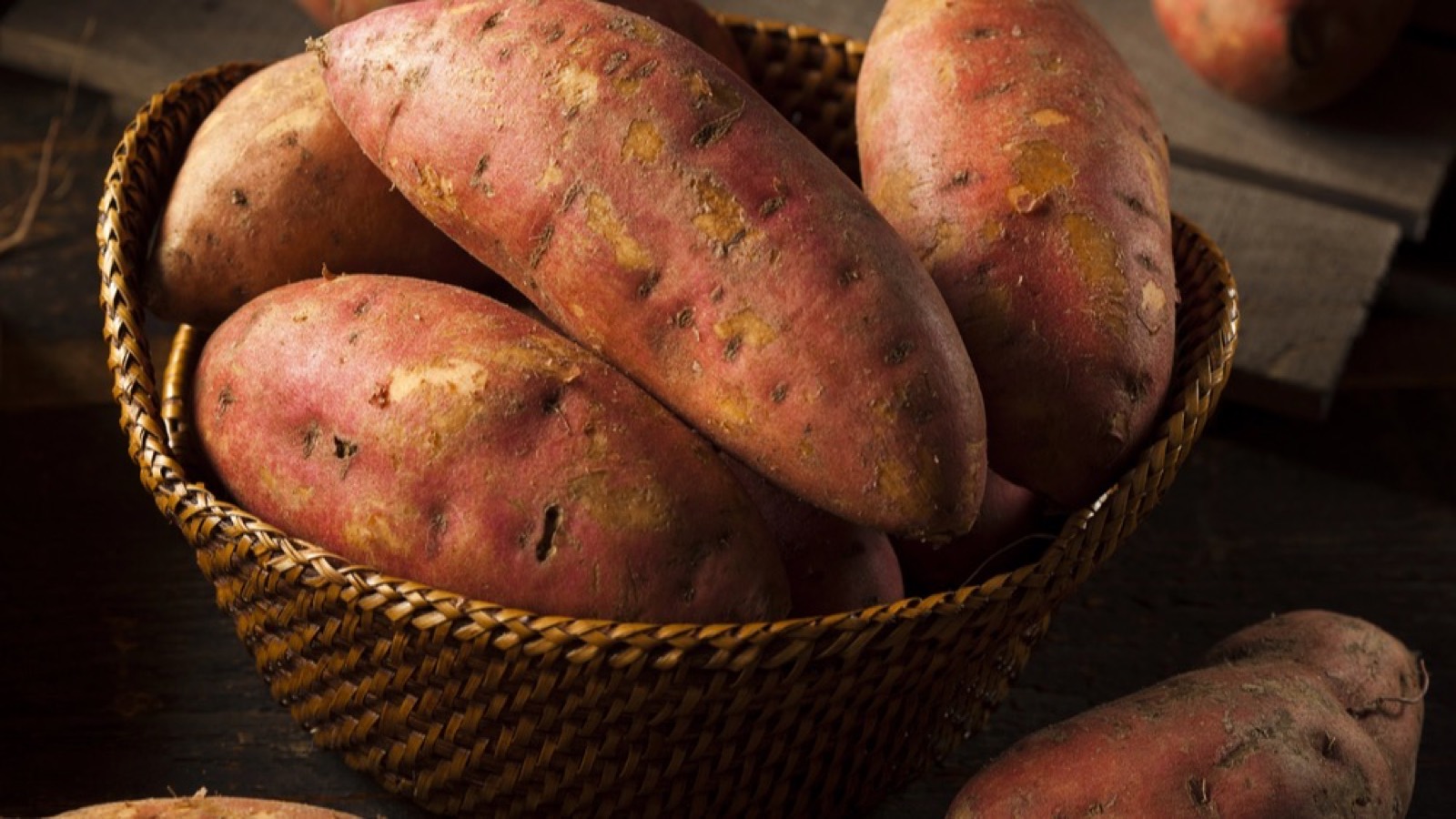
They are now regarded as one of the most nutritious vegetables available. Harvard Nutrition Source notes that sweet potatoes are rich in beta-carotene, which the body converts to vitamin A. A plain baked sweet potato needs very little dressing up.
6. Eggs
Boomers ate eggs almost every morning. They were fried, scrambled, poached, or boiled, and they went into lunches as egg salad. Many families kept their own hens or bought from a neighbor.
Eggs fell out of favor for years because of worries about cholesterol. Thinking has shifted, and many experts now say eggs can be part of a healthy diet for most people. They are an inexpensive source of high-quality protein and several important nutrients.
7. Liver
Liver and onions was the dinner every child dreaded. Mothers insisted on it because the family doctor said it was good for the blood. Kids were unconvinced.
The doctor was right. Liver is among the most concentrated sources of iron, vitamin B12, and vitamin A of any food. Because it is so rich in vitamin A, the NIH notes that it should be eaten in moderation, and pregnant women in particular should be careful about how much they consume.
8. Prunes
Prunes were a fixture at the breakfast table, either stewed or as juice. Grandparents swore by them for keeping “regular.” Children considered them old people’s food.
Research has been kind to the humble prune. They are high in fiber and contain compounds that support digestion. Some studies have also looked at prunes and bone health in older women, which has given them fresh attention.
9. Cottage Cheese
Cottage cheese was the diet food of the 1960s and 1970s. It was served on a lettuce leaf with a canned peach half or pineapple ring. Every diner had a “diet plate” built around it.
After years of being overlooked, cottage cheese has become popular again. It is high in protein and relatively low in calories. Younger eaters are discovering what their grandmothers already knew.
10. Homemade Soup
A pot of soup was always on the stove in many homes. It was made from bones, leftover vegetables, and whatever grains or beans were in the pantry. It was a thrifty way to use up scraps.
Nutritionists now encourage exactly that kind of cooking. Homemade vegetable and bean soups are filling, full of fiber, and much lower in sodium than many canned versions. They are among the cozy soups Americans still make once winter arrives.
Why the Old Diet Had So Much Right
Boomer families ate this way out of necessity. Money was tight, so mothers bought whole, basic ingredients and cooked them at home. Processed snacks and fast food were occasional treats, not daily habits.
Portions were smaller too. Dinner plates were not as large as they are today, and second helpings were not guaranteed. Soda was for special occasions.
Meals were also eaten at home, at regular times, with the family. That pattern meant fewer extra calories and more vegetables. In many ways, it matched the advice now given by the National Institute on Aging for healthy eating in later life.
What Has Changed Since Then
The American diet shifted dramatically after the 1970s. Convenience foods, sugary drinks, and restaurant meals became everyday items. Cooking from scratch declined as families got busier.
Ironically, some of the foods boomers were told to avoid have been reconsidered. Eggs, whole milk, and butter were all discouraged at one time. Meanwhile, many “healthy” products that replaced them turned out to be loaded with sugar, and there are plenty of foods that seem healthy but are not.
That does not mean every old habit was good. Heavy use of salt, lard, and sugar was common too. The lesson is that simple, whole foods have stood the test of time.
Bringing Them Back to Your Table
The good news is that these foods are still among the cheapest in the store. A bag of dried beans, a carton of oats, and a head of cabbage cost very little. They can stretch a grocery budget as well now as they did in 1960.
Preparing them does not have to be complicated. Oatmeal takes five minutes, and a pot of bean soup can simmer while you do other things. Canned salmon and sardines need no cooking at all.
Anyone with a health condition should check with a doctor or dietitian about what is right for them. For most people, though, eating a little more like Grandma is sound advice. Which of these foods did you eat as a child, and which ones are still on your table today?