Andy Beshear Challenges Mitch McConnell as Kentucky Faces a Defining Debate Over Leadership, Health Transparency, and Senate Power
Kentucky’s political landscape entered a new chapter after Gov. Andy Beshear called on Sen. Mitch McConnell to directly address questions about his ability to continue serving in the U.S. Senate. The governor’s demand has placed one of America’s longest-serving political figures at the center of a broader debate about leadership, accountability, and the future of public service.
The dispute is bigger than one senator’s health. It raises a larger question facing Washington: how should voters judge whether longtime leaders are still able to handle the enormous responsibilities of elected office? As McConnell approaches the later years of a historic Senate career, Kentucky now finds itself at the center of a national conversation about political succession and generational change.
Andy Beshear’s Challenge Puts Kentucky’s Two Political Heavyweights in Conflict
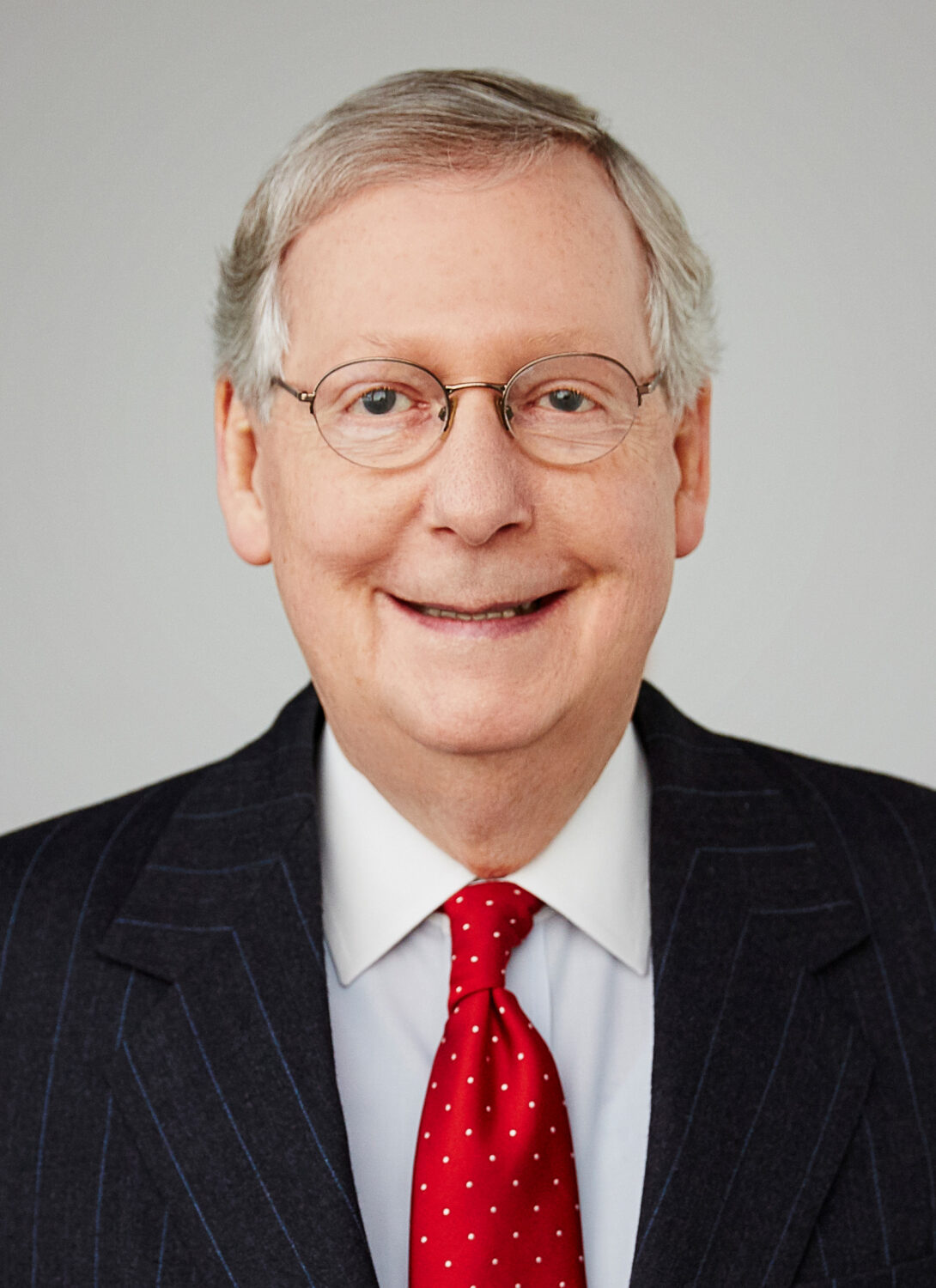
Gov. Andy Beshear’s call for McConnell to address concerns about his capacity to serve represents an unusual moment in Kentucky politics. The two leaders stand on opposite sides of the political divide, but both have become some of the most recognizable figures in the state.
Beshear, a Democrat, has built a strong political identity in a state that has shifted heavily toward Republicans in national elections. His victories as governor demonstrated his ability to appeal to voters beyond traditional party boundaries.
McConnell, meanwhile, has spent nearly four decades building one of the most influential Senate careers in American history. Since first winning election to the Senate in 1984, he has become a central figure in Republican politics and one of the most powerful lawmakers in Washington.
The confrontation between the two leaders represents more than a disagreement between a governor and a senator. It reflects a larger transition taking place in American politics, where voters are increasingly questioning how long political power should remain concentrated among longtime officeholders.
McConnell’s Historic Senate Career Faces a New Test
Mitch McConnell’s influence extends far beyond Kentucky.
During his Senate career, McConnell became known for his ability to shape legislation, manage Senate strategy, and influence the direction of the federal judiciary. He served as Senate majority leader from 2015 to 2021 and later became the longest-serving Senate party leader in U.S. history.
His supporters credit him with delivering major conservative victories, particularly through his role in confirming federal judges and advancing Republican priorities in Congress.
Critics, however, argue that his long tenure represents a larger issue facing American politics: whether elected officials should face stronger expectations for transparency and leadership transitions as they age.
The questions surrounding McConnell now place his legacy alongside a difficult challenge faced by many powerful leaders: determining when experience remains an advantage and when voters begin demanding a new generation of leadership.
Health Transparency Debate Moves Beyond Mitch McConnell
The discussion surrounding McConnell has become part of a national debate over the health and age of America’s political leaders.
McConnell experienced several highly publicized health-related incidents in recent years, including a 2023 fall that resulted in a concussion and fractured rib. He also experienced a widely viewed moment during a public appearance when he paused for several seconds and appeared unable to continue speaking before being assisted by colleagues.
His office later stated that medical evaluations found him capable of continuing his duties.
However, the incidents renewed questions about how much health information elected officials should provide to the public. While politicians are entitled to medical privacy, voters also argue they have a legitimate interest in understanding whether leaders can fulfill demanding responsibilities.
The debate has extended beyond party lines, affecting discussions about other senior political figures across the country.
Why One Senator’s Ability to Serve Matters Nationally
A senator’s responsibilities extend far beyond attending votes on Capitol Hill.
Members of the Senate help shape national security policy, approve federal judges, negotiate major legislation, and respond to national emergencies. Senior senators often hold additional influence because of their committee assignments, relationships, and institutional knowledge.
For someone like McConnell, the stakes are even higher because of his decades of leadership experience and influence within the Republican Party.
Supporters argue that removing experienced lawmakers too quickly could deprive the country of valuable expertise. They point to decades of relationships and policy knowledge that cannot easily be replaced.
Opponents counter that public office requires more than experience. They argue that leaders must also demonstrate they can consistently meet the demands of their positions.
Kentucky’s Political Future Could Change After McConnell
The debate over McConnell’s future has also sparked questions about what happens next for Kentucky.
If McConnell eventually leaves the Senate, the state would face a major political transition. His seat represents one of the most influential positions in Kentucky politics, and his departure could create a significant battle over who controls the future direction of the state’s Republican leadership.
A potential transition could raise several questions:
- Will Kentucky choose another traditional conservative leader?
- Will younger politicians attempt to reshape the state’s political identity?
- Could a Senate vacancy influence the balance of power in Washington?
McConnell’s replacement would not simply inherit a Senate seat. They would inherit a position that has carried enormous influence for decades.
The Legacy Question: Experience, Power, and Generational Change
Few American politicians have shaped Senate politics as significantly as Mitch McConnell.
His supporters view him as a master strategist who transformed Republican influence in Washington. His critics view his lengthy tenure as evidence that American politics needs faster generational change.
Both perspectives are likely to remain part of the discussion as voters consider the future of political leadership.
The debate also reflects a broader question: Should political careers be measured primarily by accomplishments and experience, or should leaders face stronger expectations to make room for new voices?
That question has become increasingly important as Washington’s aging leadership has drawn more public attention.
What Kentucky Voters Want From Their Leaders

At the center of the debate are Kentucky voters who must decide what qualities matter most in their representatives.
Some voters may prioritize McConnell’s decades of experience and ability to influence national policy. Others may believe that public officials should provide clearer evidence that they remain capable of meeting the demands of office.
For many residents, the issue is not simply about age. It is about trust.
Voters want confidence that their elected representatives can make important decisions, represent their interests, and respond effectively during moments of crisis.
The controversy surrounding McConnell has placed that question directly in front of Kentucky and the nation.
The Bigger Picture: A Debate About the Future of American Leadership
The clash between Andy Beshear and Mitch McConnell has become a defining moment for Kentucky politics. What began as a challenge from one elected official to another has expanded into a national conversation about leadership, accountability, and the future of political power.
McConnell’s decades in Washington have left a lasting mark on the Senate. Still, the questions surrounding his future show that even the most influential leaders eventually face a fundamental challenge: proving they can continue carrying the responsibilities entrusted to them by voters.