Bill O’Reilly Warns ‘Civilians Are Going to Die’ as He Predicts Trump’s Next Move Against Iran
Former Fox News host Bill O’Reilly has warned that the United States may be heading toward a major military escalation with Iran, predicting that President Donald Trump could soon authorize what he described as a “big time” strike that would carry serious humanitarian consequences, including civilian casualties.
O’Reilly delivered the comments during his No Spin News broadcast, framing the current moment as a critical turning point in U.S.–Iran relations, where diplomacy may no longer be enough to prevent further conflict. His remarks come amid already heightened tensions in the Middle East, where a fragile ceasefire and ongoing negotiations have been repeatedly disrupted by military incidents and political disagreements.
O’Reilly Predicts Strike May Follow Holiday Period
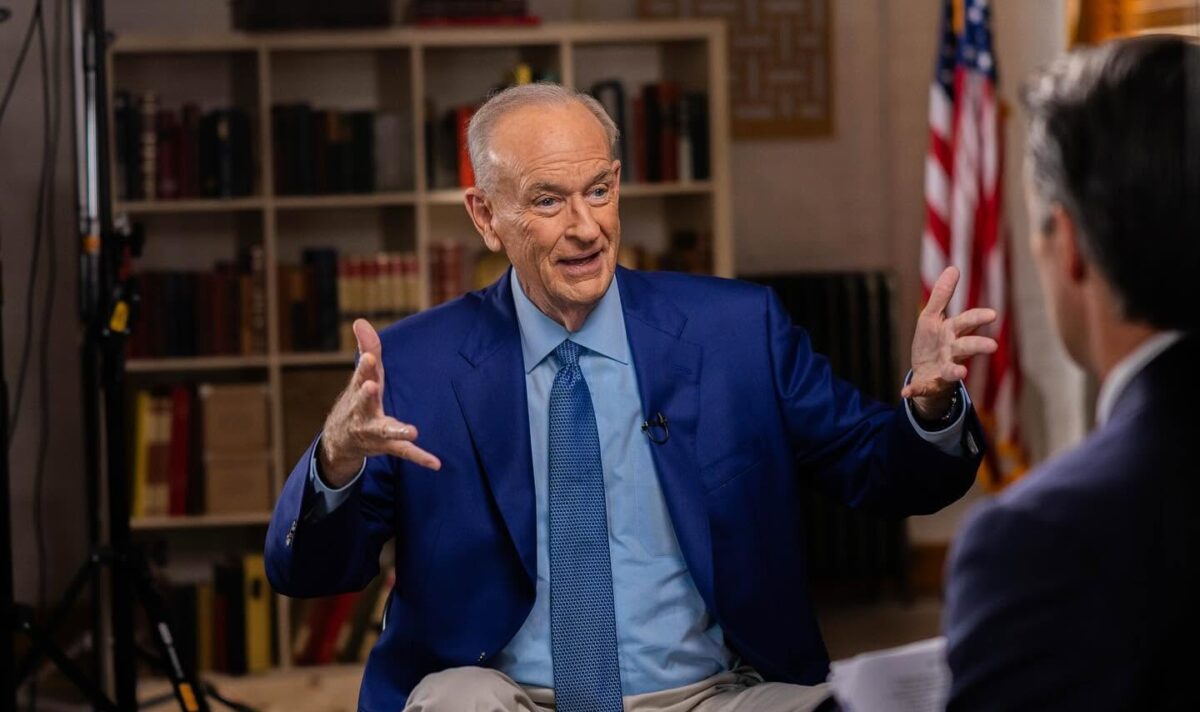
In his analysis, O’Reilly suggested that any immediate military action is unlikely to occur during the Independence Day holiday period in the United States. However, he warned that the situation could quickly change once the holiday passes. He argued that escalating provocations and continued instability in the region may leave the administration with limited options, increasing the likelihood of decisive military action.
O’Reilly stated that President Trump would not allow Iran to “run roughshod” amid ongoing disputes, suggesting that a response may be inevitable if tensions continue to escalate. While framed as speculation, his comments reflect a growing sense among political commentators that diplomatic efforts are approaching a breaking point.
“Civilians Are Going to Die”: Stark Warning About Human Cost
One of the most striking elements of O’Reilly’s remarks was his blunt warning that civilian deaths would be an unavoidable consequence of any large scale military strike. He expressed concern about the humanitarian impact, stating:
“Civilians are going to die over there… and it’s going to happen unless something changes dramatically.”
The comment underscored the gravity of potential escalation and highlighted the real world consequences of military conflict beyond political strategy or geopolitical maneuvering. O’Reilly’s framing placed emphasis not only on the likelihood of action but also on the moral and humanitarian costs that could follow.
Rising U.S.–Iran Tensions and Failed Ceasefire Stability
The prediction comes at a time when tensions between Washington and Tehran have already escalated significantly.
Over recent weeks, both sides have engaged in a cycle of limited strikes, maritime incidents, and diplomatic breakdowns, despite attempts to maintain a fragile ceasefire arrangement.
Key developments include:
- Attacks on ships in strategic Middle Eastern waterways
- U.S. retaliatory strikes on Iranian-linked infrastructure
- Accusations of repeated ceasefire violations
- Ongoing but unstable diplomatic engagement. The Strait of Hormuz remains a key flashpoint, with disruptions in the region threatening global energy supplies and raising international concern about wider economic consequences. Each new incident has further complicated efforts to stabilize the situation.
Trump Administration Takes Hard Line Position
Former President Donald Trump has responded to recent developments with strong rhetoric, warning that continued Iranian actions could prompt severe U.S. retaliation. In public statements, Trump has suggested that U.S. forces have already carried out strikes on Iranian missile- and drone-related facilities in response to ceasefire violations.
He has also issued warnings implying that continued escalation could lead to devastating consequences for Iran’s leadership and infrastructure if attacks persist. These statements have been interpreted by analysts as part of a broader strategy of pressure to force Tehran back into negotiations under more favorable conditions for the United States.
Diplomatic Talks Continue Despite Military Pressure
Despite rising tensions, diplomatic efforts have not completely broken down.
Vice President JD Vance recently participated in discussions in Switzerland with Iranian and regional officials. While the talks were described as complex, officials characterized them as productive in limited areas. Negotiations have focused on: Temporary reductions in nuclear-related activities, Partial easing of economic sanctions, Security guarantees around maritime routes, Frameworks for continued technical discussions.
However, repeated violations of ceasefire terms have significantly weakened trust between the parties, making long-term agreements increasingly difficult to sustain.
Conflicting Signals on Ceasefire Status
One of the major challenges in the current crisis is the lack of consistent agreement over whether a functioning ceasefire exists at all. While some officials describe the situation as a managed pause in hostilities, others point to continued military incidents as evidence that the ceasefire is effectively collapsing.
Iranian officials have disputed certain U.S. claims regarding violations, while U.S. officials maintain that recent strikes were justified responses to aggression. This contradiction has created a highly unstable environment in which both diplomacy and military action are occurring simultaneously.
Strategic Importance of the Strait of Hormuz
The Strait of Hormuz remains one of the world’s most strategically important waterways, with approximately 20% of global oil shipments passing through it under normal conditions.
Any disruption in this region can trigger immediate global consequences, including:
- Sharp fluctuations in oil prices
- Increased shipping insurance costs
- Supply chain disruptions across energy markets
- Greater military naval deployments in the Gulf region. Recent attacks in the area have already contributed to volatility in global energy markets, reinforcing concerns that continued conflict could escalate into a broader economic crisis.
Analysts Warn Against Rapid Escalation
Security analysts have urged caution in interpreting predictions of imminent large-scale military action, noting that such decisions depend on a wide range of intelligence and diplomatic factors.
Experts emphasize that public commentary does not always reflect final military decisions; escalation is often gradual rather than immediate; diplomatic channels may remain active even during military posturing; and strategic messaging can be used to apply pressure in negotiations. However, analysts also acknowledge that the current environment is among the most volatile in recent years, with multiple unresolved flashpoints increasing the risk of miscalculation.
Humanitarian Concerns Remain Central
Beyond political and strategic considerations, the potential human cost of escalation remains a central concern for observers and humanitarian organizations.
Any large-scale conflict in the region could impact: Civilian populations in urban and coastal areas; Critical infrastructure such as power, water, and transport systems; Regional refugee flows and displacement; and Global economic stability through energy disruptions. Humanitarian groups have repeatedly warned that even limited escalation could produce significant civilian harm and long-term instability.
A Situation Defined by Uncertainty
At present, the situation remains highly uncertain, with diplomatic negotiations continuing alongside military actions and public warnings from political commentators. O’Reilly’s prediction reflects one interpretation of a rapidly evolving crisis, where both escalation and de-escalation remain possible depending on decisions made in Washington, Tehran, and key international mediating capitals.
What is clear is that tensions have reached a level where even short-term developments can have significant geopolitical consequences. For now, the world remains in a state of watchful waiting, as leaders on both sides weigh the risks of continued confrontation against the possibility of renewed diplomatic progress.