8 Desserts Every Church Bake Sale Had
Long before online fundraisers and donation apps, churches raised money the old-fashioned way: with a folding table, a hand-lettered sign and dozens of homemade desserts. The church bake sale was a fixture of American life, held after Sunday services, at fall festivals and in the weeks before Christmas. Women spent days baking, and the best treats often sold out before the last hymn ended.
Every congregation had its star bakers. There was always one woman known for her pies, another for her brownies and someone whose coffee cake people lined up for. Recipes were guarded closely, swapped carefully and passed down through generations. A bake sale was a little bit charity and a little bit friendly competition.
Bake sales still happen, but many have changed, with store-bought treats and food safety rules replacing some of the old homemade spread. If you grew up going to church, you’ll probably remember these. Here are the desserts that seemed to show up at every church bake sale.
1. Homemade Pies
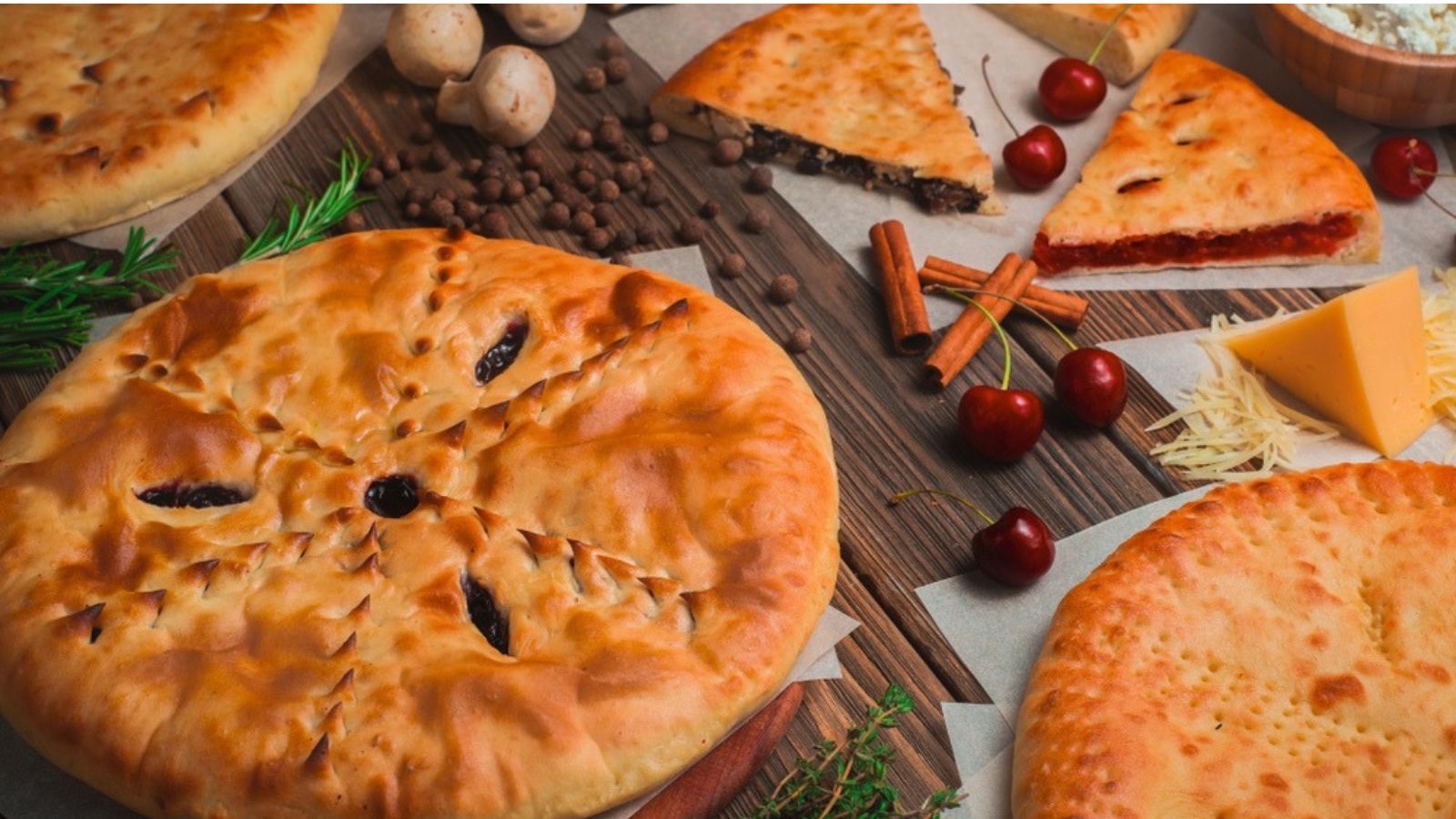
Pies were the crown jewels of the church bake sale. Apple, cherry, pumpkin, pecan and lemon meringue pies sat in a row, each one wrapped carefully in plastic or tucked into a pie box. The best bakers had flaky, golden crusts that people talked about for weeks.
Pies usually sold for the highest prices, and some disappeared before the sale even officially started. Many church members had a favorite baker and made a point of buying her pie every year. A homemade pie from the church bake sale often ended up as the centerpiece of a family’s Sunday dinner.
2. Brownies
No bake sale was complete without a plate of brownies. They were easy to make, easy to transport and loved by everyone, especially kids clutching a few quarters. Some bakers made them plain, while others added walnuts, chocolate frosting or a swirl of peanut butter.
Brownies were often cut into generous squares and wrapped individually in plastic wrap or waxed paper. They were one of the most affordable treats on the table, making them a favorite for children. Many grown-ups still remember buying a brownie after Sunday school as a special treat.
3. Chocolate Chip Cookies
Chocolate chip cookies were another bake sale staple. They came in stacks of half a dozen, tied with ribbon or packed into plastic bags. Every baker had her own twist, from extra chocolate chips to a sprinkle of sea salt to a secret ingredient she refused to share.
Cookies were popular because they were easy to grab and eat on the way home. Families often bought a bag or two to enjoy during the week. Alongside chocolate chip, bake sales often featured oatmeal raisin, peanut butter and sugar cookies, giving shoppers plenty of choices.
4. Coffee Cake
Coffee cake was a favorite with adults who wanted something to enjoy with their Sunday morning coffee. Cinnamon streusel coffee cake, sour cream coffee cake and fruit-filled versions were all common. They were often baked in square pans and sold whole or by the slice.
Many coffee cake recipes came from church cookbooks, those spiral-bound collections of members’ favorite recipes. These cookbooks were themselves popular fundraisers. A coffee cake from the bake sale often ended up on the kitchen table for a leisurely breakfast after church.
5. Lemon Bars
Lemon bars brought a bright, tangy touch to the bake sale table. With their buttery shortbread crust and sweet-tart lemon filling, dusted with powdered sugar, they looked elegant and tasted refreshing. They were especially popular at spring and summer sales.
Lemon bars were a bit trickier to make than brownies, so they were often the specialty of a particular baker. Many people who weren’t fans of chocolate made a beeline for them. Today, lemon bars are still a favorite at potlucks and parties, and many recipes trace back to church cookbooks.
6. Rice Krispies Treats
Rice Krispies Treats were a bake sale favorite because they were quick, inexpensive and kid-friendly. Made with crispy rice cereal, butter and melted marshmallows, they could be whipped up in minutes. Some bakers added food coloring or sprinkles for holidays, or dipped the tops in chocolate.
The recipe was famously printed on the cereal box, which made it easy for anyone to contribute. Kids often helped make them, pressing the sticky mixture into pans. At the bake sale, they were among the first treats to disappear, especially when children were doing the shopping.
7. Homemade Bread and Cinnamon Rolls
Some bakers brought loaves of homemade bread, from white sandwich bread to banana bread and zucchini bread. Cinnamon rolls, dripping with icing, were also a big draw. These items took more time and skill to make, and buyers appreciated the effort.
Quick breads like banana bread and pumpkin bread were especially popular in the fall. They were wrapped in plastic and often labeled with the baker’s name. For many families, a loaf of homemade bread from the church bake sale was a treat they looked forward to all year.
8. Fudge and Holiday Candy
At Christmas bake sales, fudge took center stage. Chocolate fudge, peanut butter fudge and penuche were cut into squares and packed into small boxes or tins. Some bakers also brought divinity, peanut brittle and other homemade candies that were perfect for holiday gifts.
Holiday bake sales were often the biggest of the year, since shoppers were looking for treats to serve at parties or give as gifts. Many people bought tins of fudge to bring to neighbors, teachers and coworkers. These sales helped churches raise money for holiday charity projects.
Why Bake Sales Mattered
Church bake sales were about more than raising money. They brought the congregation together, gave members a way to contribute and created a sense of community. Women who baked for the sale often formed close friendships, swapping recipes and stories while setting up tables.
The money raised supported missions, youth groups, building repairs and charitable causes. Even small bake sales could raise hundreds of dollars, a significant sum for many churches. For many members, contributing a pie or a pan of brownies was a meaningful way to help.
How Bake Sales Have Changed
Today, some church bake sales look different. Busy schedules mean fewer people have time to bake from scratch, and some sales include store-bought items. Food allergy concerns and health rules have also led some groups to require ingredient labels or limit homemade goods.
Still, many churches keep the tradition alive, especially around the holidays. The spirit of the bake sale, generosity, community and a love of homemade treats, remains the same. Many of those bake sale recipes still live on handwritten recipe cards tucked into family recipe boxes across the country.