Always Running Short Before Payday? These 6 Everyday Expenses Could Be Draining Your Budget
Payday finally arrives, you pay your bills, and before you know it, your bank account already looks like it’s waiting for the next paycheck. Sound familiar? Sometimes, the problem isn’t one big purchase. It’s the smaller expenses that quietly add up throughout the month. A forgotten subscription, a quick coffee run, or a few extra charges on your food delivery order can take more money than you realize.
Of course, not every expense is optional. Convenience services can be necessary, and enjoying small treats doesn’t mean you’re careless with money.
Still, taking a closer look at everyday spending might reveal opportunities to keep more of your paycheck.
Subscriptions You Forgot You Were Paying For

That streaming platform you haven’t opened in months? It could still be charging you.
Between entertainment services, fitness apps, and digital memberships, recurring payments can easily slip under the radar.
You might have signed up for a free trial, forgotten to cancel, or kept a subscription because you thought you’d use it again eventually.
Northwest Bank recommends reviewing bank statements and app subscriptions to identify unnecessary charges.
For example, canceling $25 worth of unused monthly subscriptions would free up $300 annually.
That’s money you could put toward another priority without a major lifestyle change.
Check your recurring payments, review cancellation terms, and keep only the services you use. You can also consider rotating streaming services instead of paying for several throughout the year.
Food Delivery Fees That Make Dinner More Expensive
Ordering dinner after a long day can feel like the easiest decision.
You don’t have to cook, wash pots, or spend another hour in the kitchen. A few taps on your phone, and dinner is on its way.
But the price displayed beside your favorite meal isn’t always what you’ll pay at checkout.
According to DoorDash, orders may include delivery fees, service fees, small-order charges, and other applicable costs.
Those extras might not seem significant on a single order, but repeated purchases can add up.
Imagine spending an additional $8 on delivery-related costs twice a week. Over 52 weeks, that’s $832.
Pickup could be cheaper when it’s practical, especially if you’re already passing the restaurant.
Alternatively, keeping ingredients for a few quick dinners at home might help you avoid some last-minute orders.
You don’t have to stop ordering food. Simply saving delivery for the occasions when it’s genuinely useful can make a difference.
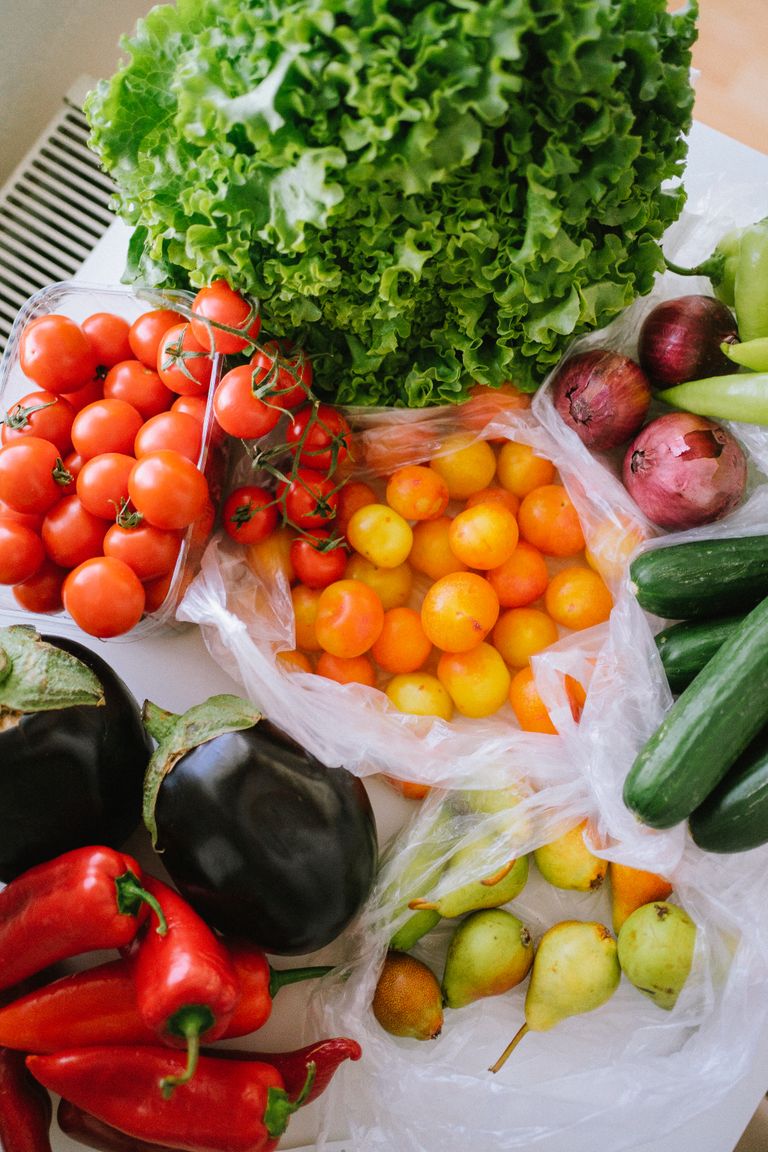
Grocery Extras You Never Planned to Buy
You walk into the grocery store with a simple list: milk, bread, eggs, and maybe something for dinner.
Somehow, you leave with three bags of groceries and a receipt that’s much longer than expected.
A new sauce caught your attention. A snack you like was on discount. And those extra ingredients seemed like a good idea at the time.
Individually, these purchases may look harmless. Together, they can push your grocery spending beyond what you planned.
The Environmental Protection Agency recommends checking what you already have before shopping and planning purchases around meals you plan to make.
Avoiding just $10 in unnecessary grocery purchases each week would save $520 annually.
Before your next shopping trip, take a few minutes to check the refrigerator, freezer, and pantry.
Then make a list based on what you need, not what looks appealing in the moment.
A realistic grocery list can be more useful than buying ingredients for meals you may never get around to making.
Bank Fees You Could Possibly Avoid
Bank fees are easy to overlook because they often appear as small deductions.
A monthly account maintenance charge here, an out-of-network ATM fee there, and suddenly you’re paying for services you could access for less.
The Consumer Financial Protection Bureau explains that using ATMs within your bank’s network can generally help avoid withdrawal fees.
For example, a $12 monthly maintenance fee combined with $4 in monthly ATM charges adds up to $192 annually.
That’s nearly $200 leaving your account without purchasing anything.
Take a closer look at your bank statements and identify fees that appear regularly.
You may find an account with lower charges or discover that changing how you withdraw cash could reduce unnecessary costs.
Just make sure any alternative account has requirements you can realistically meet. A fee waiver that depends on maintaining a large minimum balance might not suit your circumstances.
Coffee Runs You Don’t Really Enjoy Anymore
There’s something enjoyable about stopping at your favorite café for a freshly prepared drink.
Maybe it’s part of your morning routine or a small treat that makes the workday more pleasant.
There’s nothing wrong with spending money on something you genuinely enjoy.
But what happens when that coffee stop becomes automatic?
You might find yourself buying the same expensive drink every morning simply because you’ve always done it.
Suppose you replace three $6 café drinks each week with homemade versions costing $1 each.
That’s $15 less per week, or $780 annually, excluding any equipment purchases.
You don’t have to give up your favorite café completely. Instead, keep the coffee outings you genuinely look forward to and prepare your drink at home on other days.
The goal isn’t to eliminate every small pleasure. It’s to stop paying for purchases that no longer bring much value to your day.
Groceries That End Up in the Trash
You buy fresh ingredients with every intention of preparing delicious meals throughout the week.
Then life happens.
Plans change, leftovers accumulate, and the vegetables you bought with such enthusiasm remain untouched.
Eventually, some of the food you purchased ends up in the trash.
According to the Environmental Protection Agency, the average American family of four spends almost $3,000 annually on uneaten food.
That doesn’t mean every household can recover the entire amount, but it illustrates why reducing unnecessary food purchases matters.
Preventing $10 worth of wasted groceries each week would save $520 annually.
Start by checking what you already have before buying more.
Plan a few meals around ingredients sitting in your refrigerator, freeze portions you won’t use immediately, and make a habit of using leftovers.
You might be surprised by how many meals you can put together without another trip to the grocery store.
Buying less and using more of what you already own can help your grocery budget stretch further.
Small Changes Can Make a Difference
You don’t have to stop buying coffee, cancel every subscription, or give up food delivery to manage your expenses more effectively.
The better approach is to identify what you’re paying for without receiving much value in return.
Perhaps it’s a forgotten membership, delivery charges that keep growing, or groceries that repeatedly go unused.
Start with one expense that seems easy to change, then see how that adjustment fits your everyday life.
The savings examples above are illustrations, not guaranteed results. Some categories also overlap, so don’t add them together as a single savings estimate.
Sometimes, keeping more of your paycheck isn’t about making dramatic sacrifices. It’s about noticing the little expenses that have become so familiar you barely question them anymore.
Which everyday expense do you think quietly takes the biggest bite out of your paycheck?