7 Foods You Should Never Put in a Slow Cooker
Slow cookers are basically the kitchen equivalent of a dependable friend. You toss in your ingredients, walk away for several hours, and come back to dinner that somehow tastes as if you worked much harder than you did.
But there is one tiny catch: not every ingredient enjoys an eight-hour hot bath.
Some foods can become mushy, rubbery, grainy, or downright disappointing if you add them too early. And in two important cases, putting the wrong food into a slow cooker can create a genuine food safety concern.
So before you start dumping everything in the crock, here are seven foods that need a little more thought.
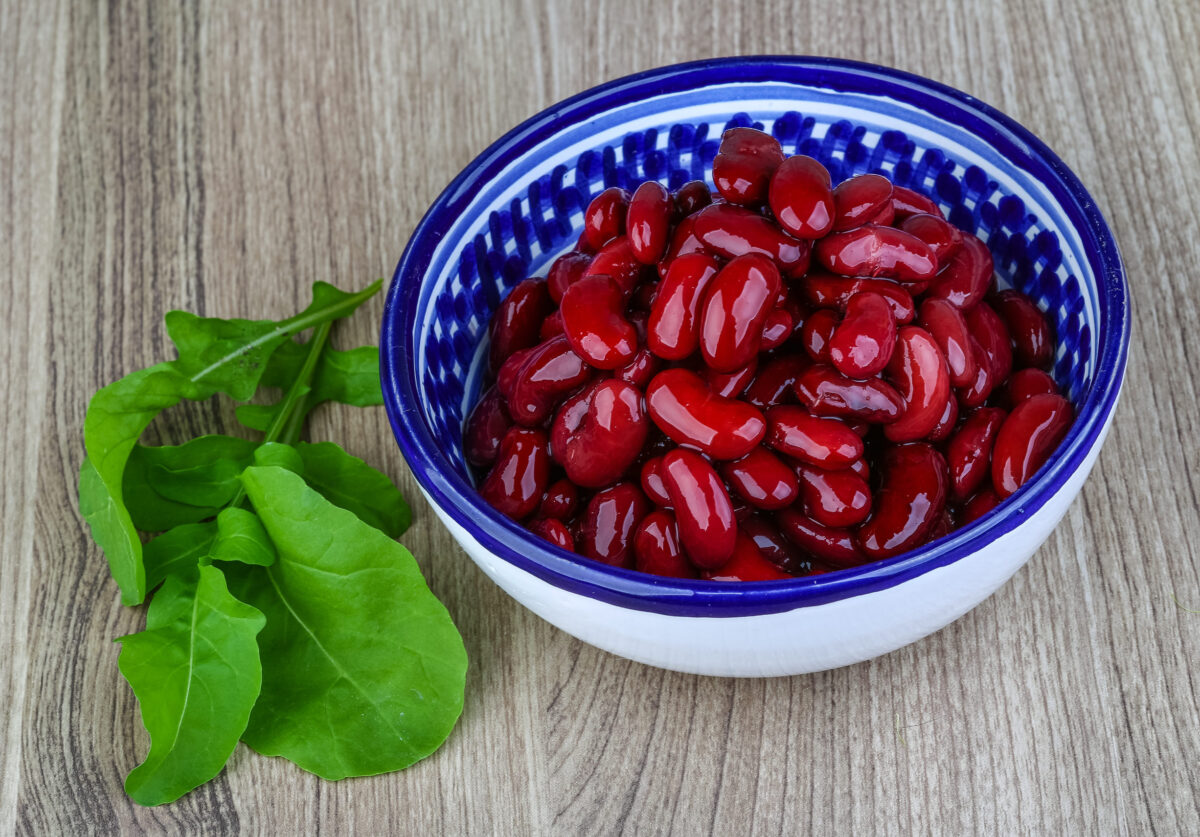
Dry Red Kidney Beans
This is the big one.
Dry red kidney beans contain a naturally occurring lectin called phytohaemagglutinin, or PHA. If you don’t cook the beans properly, that lectin can cause nausea, vomiting, stomach pain, and diarrhea. The problem is that a conventional slow cooker may not get hot enough to reliably destroy it.
In other words, this is not a “your beans might be a little crunchy” problem. It is a food safety problem.
If you want kidney beans in your chili, either use canned beans or prepare dried ones properly first. Soak them, drain the soaking water, cover them with fresh water, and boil them vigorously before transferring them to the slow cooker. The research recommends boiling soaked beans in fresh water for at least 30 minutes for the safest approach.
The easiest shortcut? Canned kidney beans. No drama, no lectin lecture, no emergency sprint to the bathroom.
Frozen Raw Meat or Poultry
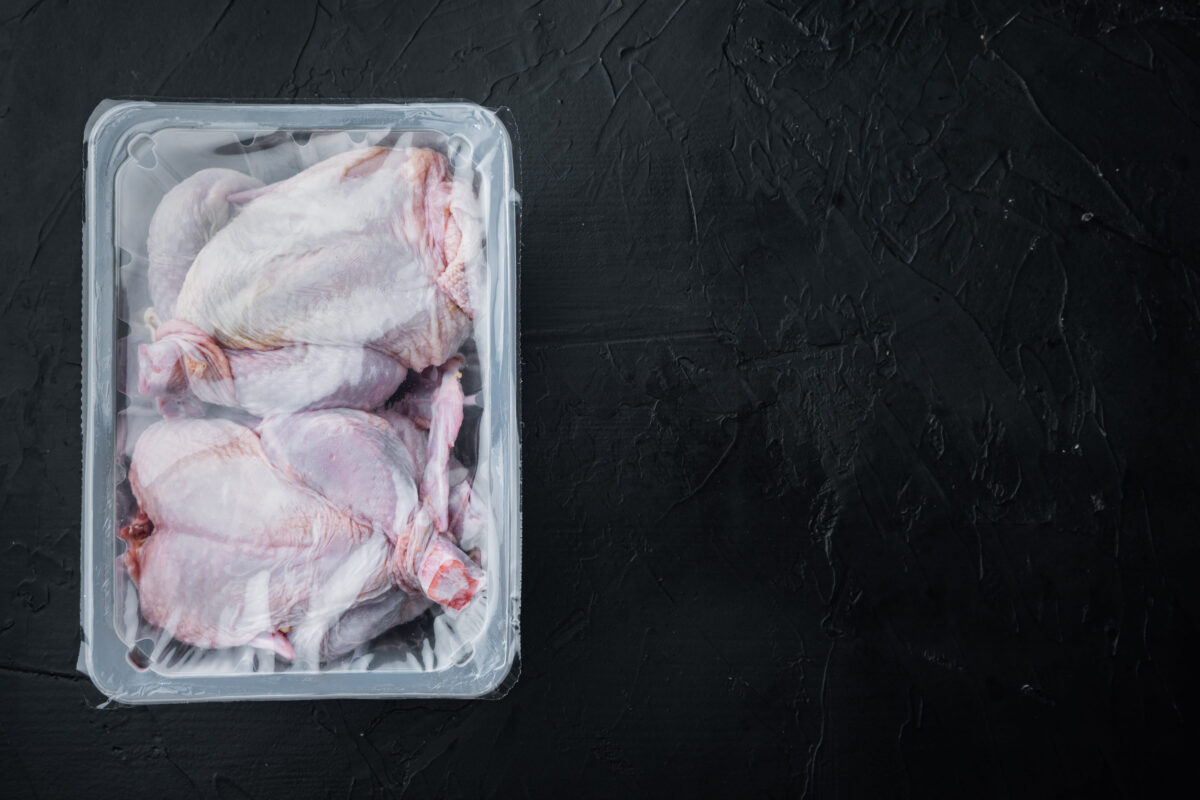
It is tempting: frozen chicken breast, slow cooker, eight hours, done.
Not so fast.
Slow cookers warm food gradually. If you start with a solidly frozen piece of meat, it may spend too long warming through the 40°F to 140°F temperature range where bacteria can multiply rapidly. USDA guidance recommends thawing meat and poultry before putting them into a slow cooker.
Thaw your meat overnight in the refrigerator, or use another safe thawing method before cooking.
And yes, the chicken still needs to reach a safe final internal temperature. But just because it eventually gets hot enough doesn’t mean a slow, frozen start is the best idea.
Pasta
Pasta and slow cookers are not enemies. They just should not spend the entire day together.
Drop dry pasta into a soup at 8 a.m., and by dinner it may have absorbed half the liquid and transformed into something closer to savory wallpaper paste.
Pasta keeps absorbing moisture as it cooks. In a covered slow cooker, where very little liquid evaporates, noodles can swell and become overly soft, sticky, and gummy. They can also release starch into the sauce and make the whole dish unpleasantly thick.
A better move is to cook pasta separately until just shy of al dente, then stir it in near the end. For some recipes, you can also add uncooked pasta directly to the slow cooker during the final 20 to 30 minutes.
Think of pasta as a guest who should arrive fashionably late.
Milk, Cream, Sour Cream, and Yogurt
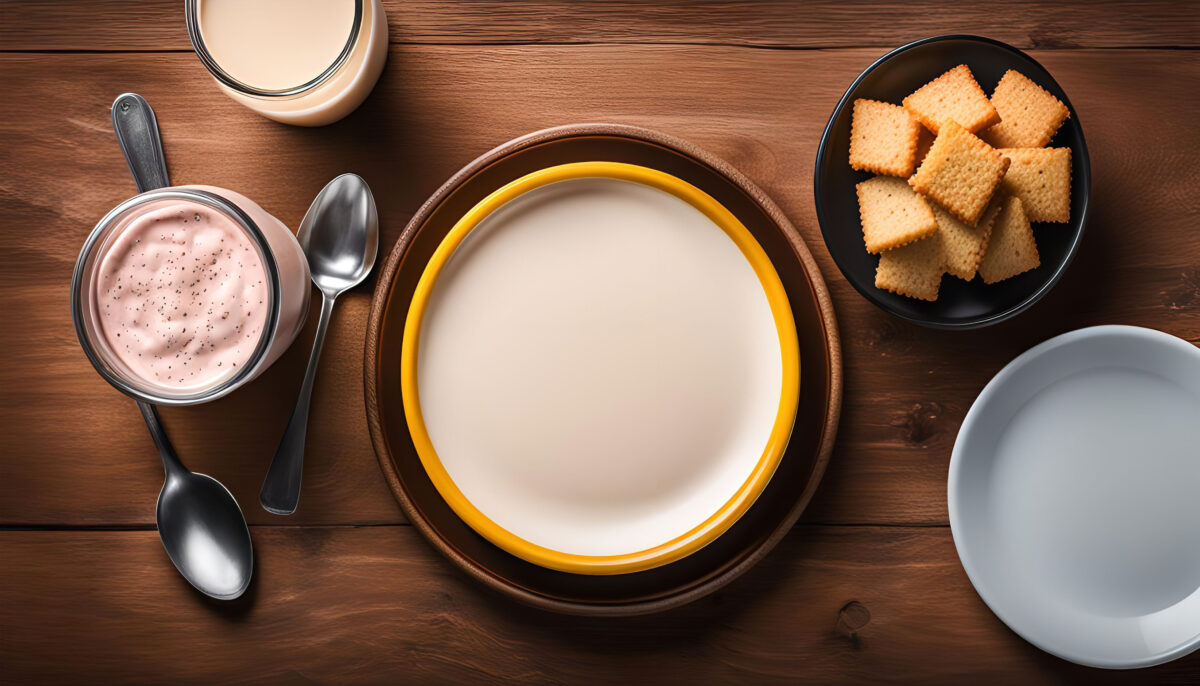
Want a creamy slow cooker soup? Great. Just resist the urge to pour in the cream before breakfast.
Delicate dairy products can separate or curdle when exposed to prolonged heat. Milk, cream, sour cream, and yogurt may break into watery liquid and grainy solids, especially if the dish also contains acidic ingredients such as tomatoes, wine, vinegar, or citrus.
The solution is simple: stir in dairy near the end, generally during the final 15 to 30 minutes, and heat gently.
For creamy chicken, chowder, or soup, let the meat, vegetables, stock, and seasonings do the all-day work. Add the luxurious stuff later.
Fish and Shellfish
A beef chuck roast can happily simmer for hours.
A shrimp cannot.
Fish, shrimp, scallops, mussels, and other seafood cook much faster than traditional slow cooker meats. Leave them in for the full cooking cycle, and fish can become dry and crumbly, while shrimp and scallops can turn tough and rubbery.
Instead, cook the soup, curry, chowder, or sauce first. Then add the seafood during the final 15 to 30 minutes, or cook it separately and fold it in before serving.
Your shrimp should have some bounce, not the texture of a pencil eraser.
Rice
Rice can work in a slow cooker, but casually tossing ordinary white rice into an all-day stew is a gamble.
Because the cooker traps moisture, rice can absorb too much liquid and become sticky, pasty, or blown out. In other cases, uneven heat or the wrong liquid ratio can leave some grains mushy and others surprisingly firm.
For most curries, stews, and braises, the easiest solution is to cook rice separately and serve the slow-cooked dish over it.
There are exceptions. Rice pudding, congee, and tested slow cooker casseroles are designed around that soft, absorbent texture. But unless the recipe specifically tells you to cook the rice in the slow cooker, keep the rice cooker employed.
Delicate Vegetables and Leafy Greens
Carrots and potatoes? Toss them in early.
Spinach and zucchini? Better saved for later.
Tender vegetables such as peas, asparagus, zucchini, spinach, and other leafy greens can lose their structure during a long cook. Instead of bright, fresh vegetables, you may end up with limp leaves, faded color, watery sauce, or vegetables that practically dissolve.
Add quick-cooking vegetables near the end instead. Peas may need only 20 to 30 minutes, while spinach can sometimes wilt perfectly from the residual heat after the cooker is switched off.
The basic rule is easy: sturdy vegetables go in early; delicate vegetables go in late.
Related: 6 Tricks for Storing Vegetables to Make Them Last Longer
The Bottom Line
Your slow cooker is excellent at turning tough meat, dense vegetables, broth, beans that have been safely prepared, and sturdy ingredients into comforting meals.
It is less talented at babysitting noodles, cream, seafood, rice, and spinach for eight hours.
So do not think of these seven foods as universally banned. Think of them as ingredients with boundaries. Dry red kidney beans and frozen raw meat deserve genuine safety precautions. The rest mostly need better timing.
Because sometimes the difference between a fantastic slow cooker dinner and a pot of beige mush is simply knowing when to add the last few ingredients.