Five Guys, Burger King Edge Out In-N-Out in America’s Burger Ranking, but the Real Story Is Bigger Than Taste
The Crown Didn’t Disappear. It is split into three different worlds.
The headline looks simple: Five Guys and Burger King rank above In-N-Out in a nationwide burger assessment. But simplicity is the illusion. Underneath, the result is not a verdict on taste; it is a map of how Americans now experience food, memory, and value.
In-N-Out remains iconic. But icon status is no longer enough to dominate national preference data. The modern burger landscape rewards something else entirely: access, repetition, perception, and control.
Epigram: The burger did not change. The way we chose did.
A Ranking That Reveals Three Different Americas

On paper, the ranking places Five Guys at the top, Burger King close behind, and In-N-Out in third. But the numbers are less important than what they quietly reveal: America is no longer eating from a single-burger standard.
We are now dealing with three parallel systems of preference:
- Five Guys represents abundance and personalization.
- Burger King represents familiarity and scale.
- In-N-Out represents scarcity and ritual.
Each system produces its own version of “best.”
Epigram: There is no single winner, only competing definitions of satisfaction.
Five Guys and the Rise of “Controlled Excess”
Five Guys wins not just because of flavor, but because of construction psychology. The burger is not only eaten but also assembled in the mind as a value.
Generous toppings, visible preparation, and oversized portions create a specific feeling: control.
In modern fast food, control has replaced simplicity as a marker of quality. The more customizable the experience, the more personal the satisfaction.
Epigram: Choice is the new taste enhancer.
Burger King and the Power of Permanent Familiarity
Burger King does not chase reinvention in the way newer chains do. It leans on continuity. The Whopper is not designed to surprise; it is designed to be remembered instantly.y.
That familiarity creates a quiet statistical advantage. In national rankings, memory matters as much as quality.
When people respond to surveys, they do not always choose what is best. They choose what is available in memory first.
Epigram: Familiarity is not nostalgia. It is repetition disguised as preference.
In-N-Out: The Paradox of Scarcity
In-N-Out’s third-place position is not a collapse. It is a contradiction finally made visible.
Scarcity builds mythology: Limited geography strengthens identity. A limited menu strengthens consistency. Limited access increases desire.
But scarcity also limits exposure. And exposure is what national rankings measure.
In-N-Out wins emotionally. It loses statistically.
Epigram: What is rare becomes loved. What is widespread becomes ranked.
The Geography Effect No One Talks About
There is an invisible force shaping every national food ranking: geography.
Burger King exists almost everywhere. Five Guys spans most urban centers. In-N-Out remains concentrated in specific regions. That means the data is not only measuring preference; it is also measuring the repetition of experience.perience.e.
More encounters create more votes. More votes create higher rankings. Visibility quietly becomes victory.
Epigram: You cannot rank what most people do not regularly value. Value is no longer about price; it is about feeling.
The modern burger economy no longer runs on cost alone. It runs on perceived return.
- Five Guys feels expensive but justified.
- Burger King feels cheap but reliable.
- In-N-Out feels fair but limited.
None of these judgments is strictly financial. They are emotional calculations disguised as price perception.
Epigram: We do not compare costs. We compare satisfaction with memory.
The Instagram Layer: When Food Becomes Proof
There is also a visual economy at work.
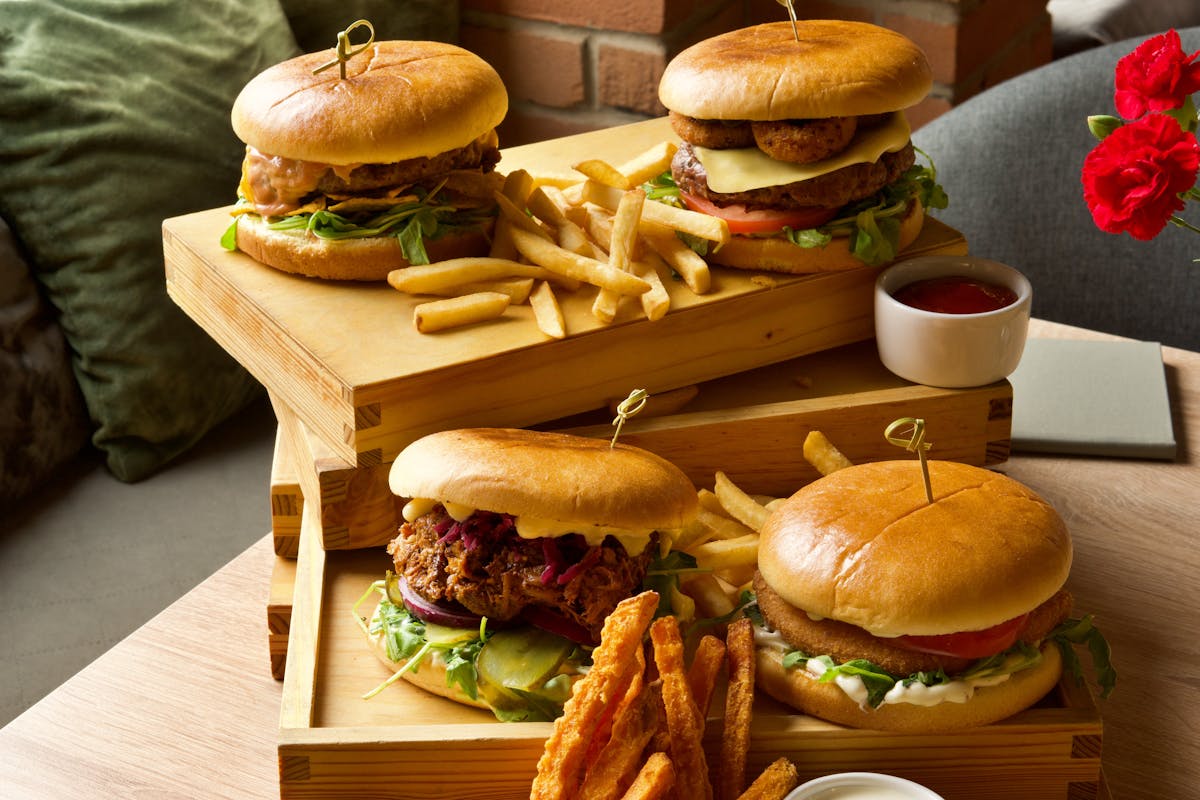
Five Guys produces burgers that look heavy, layered, and abundant. Burger King produces recognizable icons. In-N-Out produces clean, restrained visuals.
In a digital environment, visibility influences desirability. The more a burger looks like “more,” the more it is perceived as better.
Epigram: If it looks full, it tastes fuller.
Three Burgers, Three Philosophies of Control
At its core, this ranking is not about food. It is about control.
- Five Guys gives control through customization.
- Burger King gives control through familiarity.
- In-N-Out gives control through restriction.
Each approach satisfies a different psychological need.
And that is why there is no collapse here, only divergence.
Epigram: The modern burger is not judged by taste alone, but by how it lets us choose.
The Real Shift: From Best Burger to Best Experience
The biggest change in the data is not who won. It is what “winning” now means.
We are no longer asking which burger tastes best in isolation. We are asking which burger best fits our current expectations for experience speed, portion size, price perception, and emotional return.
That shift dissolves the idea of a single dominant chain.
Epigram: There is no best burger anymore. Only the best moment for one.
The Crown Has Split
Five Guys leads through abundance.
Burger King holds through familiarity.
In-N-Out endures through devotion.
Three chains. Three logics. Three definitions of value.
And none cancel the others out.
Epigram: The crown did not change hands. It fractured into meaning.