7 Things That Made Fast Food Feel Special in the 1960s
Today, fast food is so common that most people barely think about it. There’s a drive-through on nearly every corner, and you can order a burger from your phone while sitting on the couch. But in the 1960s, a trip to a hamburger stand or a fried chicken shop was an event, and kids counted down the days until their parents said yes.
Back then, fast food was new and exciting. Most families ate nearly every meal at home, and eating out was a treat saved for Friday nights, road trips, or a good report card. The restaurants looked modern, the food came out fast, and the prices were low enough that a whole family could eat without breaking the budget. Here are seven things that made fast food feel so special in the 1960s, and why many boomers still look back on those trips with a smile.
1. Hamburgers for 15 Cents
When the McDonald brothers reopened their San Bernardino restaurant with a simplified menu in 1948, they sold hamburgers for 15 cents. That price stayed in place for years as Ray Kroc expanded the chain across the country. In 1967, McDonald’s finally raised the price of its hamburger to 18 cents.
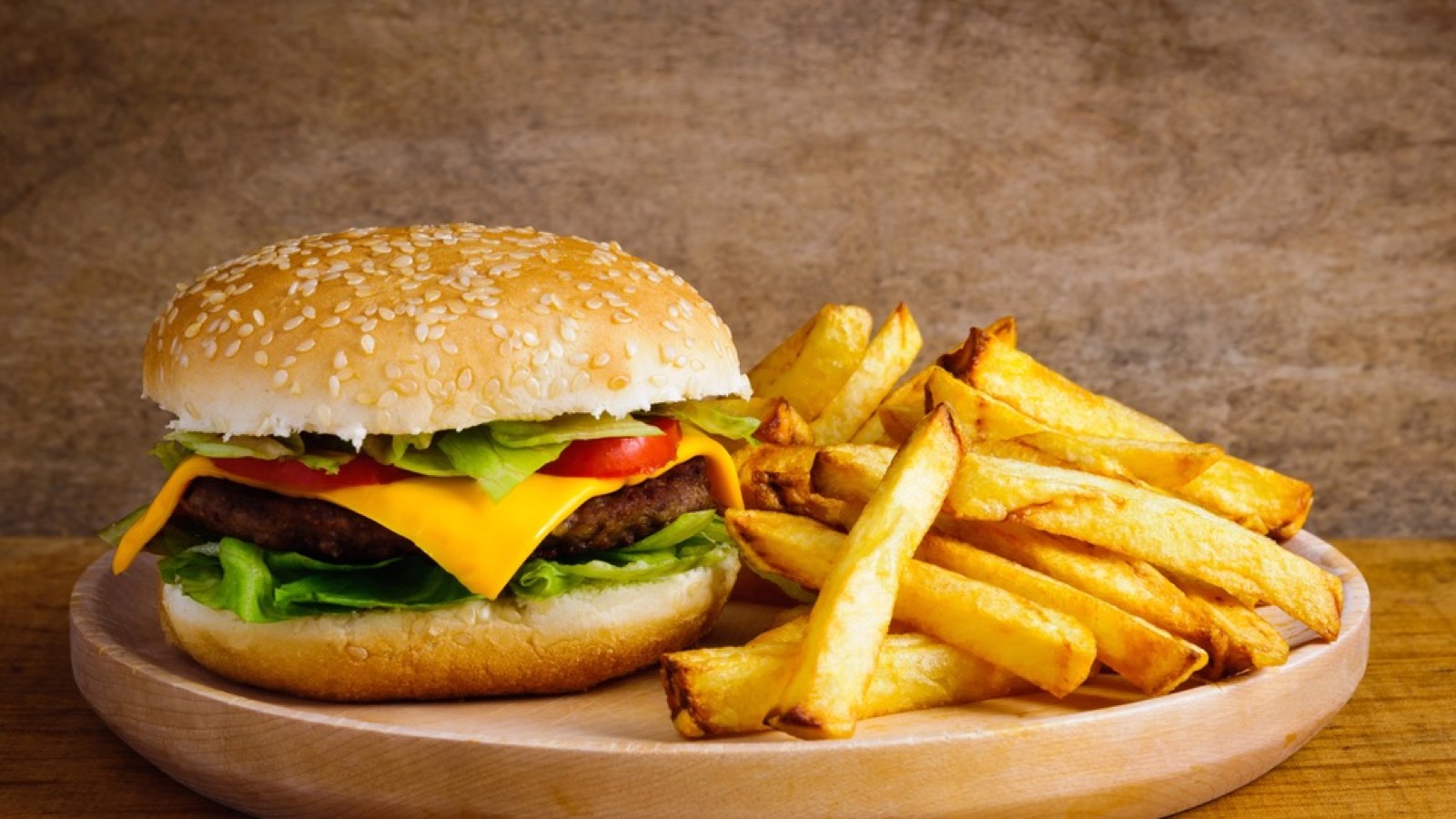
For families in the 1960s, those prices were a huge deal. A dad could feed his whole family burgers, fries, and drinks for just a few dollars. Kids could buy a burger with their own allowance money. Those low prices helped make fast food a part of everyday American life.
2. Walk-Up Windows and Glass Kitchens
Many early McDonald’s restaurants had no indoor seating at all. Customers walked up to a window, placed their order, and took their food back to the car or ate it standing outside. The buildings had big glass windows, so customers could watch the crew cooking burgers and fries.
Watching the kitchen work like a factory line was part of the fun. Kids loved seeing the burgers flipped and the fries dropped into hot oil. The open kitchen also showed customers that the restaurant was clean, which was important at a time when many people were wary of roadside food.
3. The Golden Arches
The original McDonald’s buildings had two giant golden arches rising through the roof, designed to catch the eye of drivers passing by. They glowed at night with neon lights and looked modern and exciting. For many kids, spotting the arches from the back seat of the car was a thrill.
The arches later became the company’s famous “M” logo. The early McDonald’s mascot was a little chef named Speedee, who appeared on signs before Ronald McDonald took over in the 1960s. Today, only a few of the original-style buildings remain, including one in Downey, California, that’s considered the oldest operating McDonald’s.
4. Carhops at the Drive-In
Many fast-food restaurants in the 1960s were drive-ins, where carhops took your order and brought the food right to your car window. Some carhops even wore roller skates. Trays hooked onto the car window, and families ate together in the front and back seats.
Chains like A&W and Sonic built their businesses around this experience. Sonic began in Shawnee, Oklahoma, in the 1950s and still uses carhops at many locations. For teenagers, the drive-in was the place to show off a car and meet up with friends on a Friday night.
5. The “Millions Served” Signs
McDonald’s signs often included a running count of how many hamburgers the chain had sold, like “Over 1 Million Served.” As the chain grew, the numbers kept climbing, into the hundreds of millions and then billions. Kids loved watching the numbers change from one visit to the next.
The signs made people feel like part of something big and modern. Today, McDonald’s signs simply say “Billions and Billions Served,” since the company stopped updating the count in the 1990s.
6. A Bucket of Colonel Sanders’ Chicken
Harland Sanders began selling his fried chicken recipe to restaurant owners in the 1950s, and Kentucky Fried Chicken grew quickly. The chain made the bucket of chicken famous, which was perfect for families who wanted a meal to take home. A bucket on the kitchen table felt like a party.
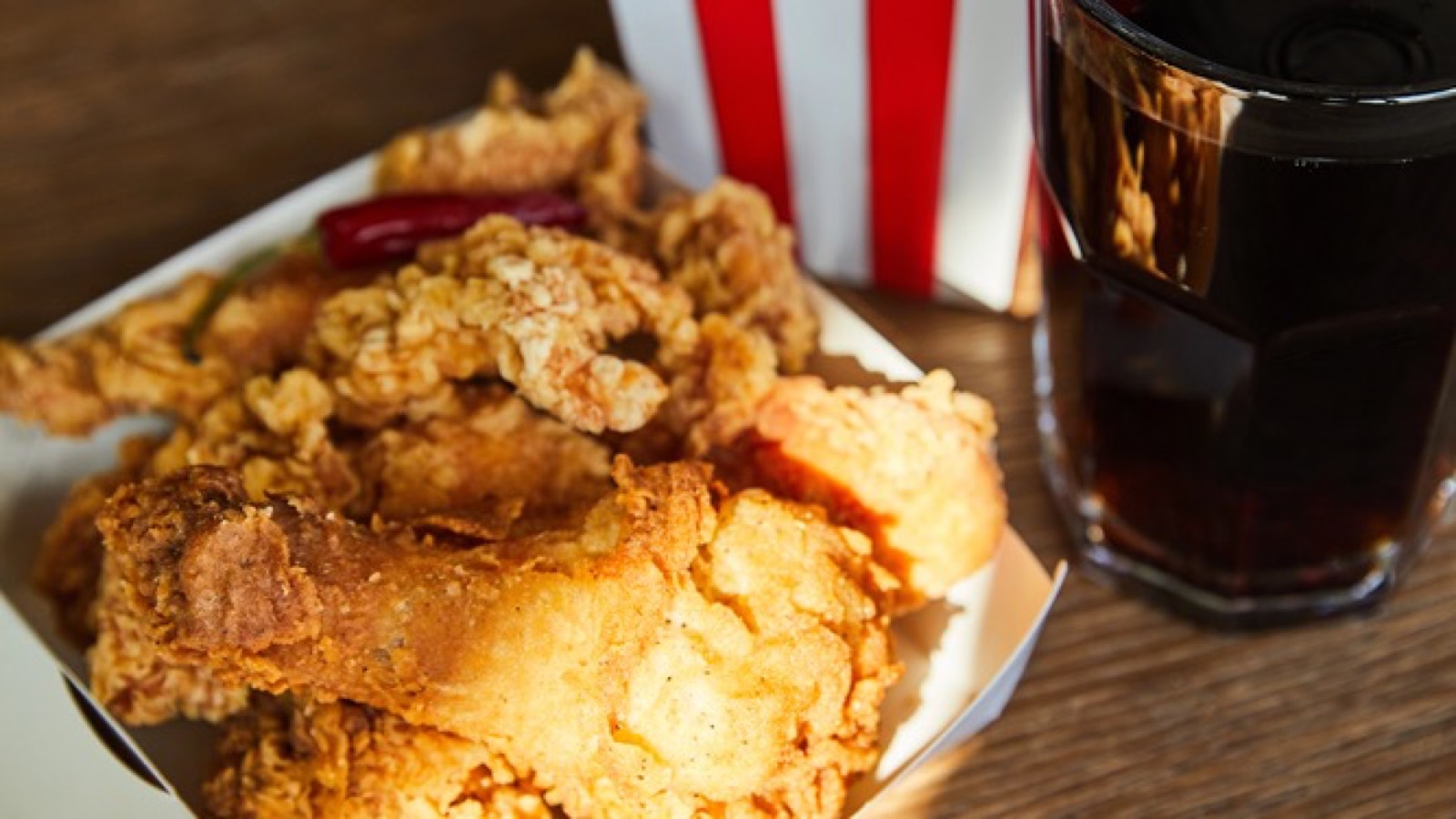
The Colonel himself, with his white suit, white hair, and black string tie, appeared in TV ads and visited restaurants in person. For many boomers, a bucket of KFC was a Sunday treat or a quick meal after church. It was one of the first fast-food meals that families brought home to share.
7. Eating Together in the Car
One of the most memorable parts of fast food in the 1960s was eating in the car. Families piled into the station wagon, drove to the restaurant, and ate their burgers and fries in the parking lot. The windows were rolled down, and the radio played in the background.
For kids, eating in the car felt like an adventure. Spilled milkshakes and ketchup packets were part of the fun. Many boomers remember those meals as some of the happiest times they spent with their families, packed together in a car with a bag of hot food.
Why It Felt So Special
In the 1960s, fast food was a symbol of the modern American lifestyle. It was fast, cheap, and new, and it fit perfectly with the growing car culture. Families who had lived through the Depression and the war years enjoyed the simple pleasure of eating out.
It also gave mothers a rare break from cooking. For many families, a trip to McDonald’s or KFC meant Mom didn’t have to make dinner that night. That was part of what made it feel like a treat. The McDonald’s corporate history tells how a single hamburger stand grew into the chain we know today.
How Fast Food Changed
Over the decades, fast food became more common and less special. Restaurants added indoor seating, drive-through windows, and play areas. Menus grew longer, and prices went up. Today, many families eat fast food several times a week.
But for boomers, the memories of those early days remain special. They’re part of the fast-food chains that started in the 1950s and grew up alongside them. They’re also among the simple pleasures many people miss today.
What do you remember most about eating fast food as a kid, and what did your family order? Many readers say a 15-cent hamburger in the back seat still beats any meal they’ve had since.