9 Shocking Facts About How Long It Takes to Starve to Death
Starvation creeps in quietly, stealing strength first, then focus, warmth, movement, and finally the body’s ability to protect itself. That is what makes it so terrifying. A person may still look awake, still speak, still move around a little, and yet their organs may already be fighting a private war.
The question many people ask is simple: how long does it take to starve to death? The answer is unsettling because the body does not follow one clean timeline. Water, body size, age, illness, temperature, medications, and physical stress can all change the outcome.
Some people may survive for weeks without food when they have water, but survival does not mean safety. Starvation is not just hunger stretched over time. It is the slow breakdown of the body’s most important systems.
Here are 9 shocking facts about how long it takes to starve to death.
There is No Safe Timeline

The scariest truth about starvation is that nobody can predict it with perfect accuracy. People often want a neat number, but the body does not work like a phone’s battery percentage. One person may decline faster because they are already sick, dehydrated, older, underweight, or exposed to heat or cold. Another person may last longer because they have more body reserves and access to water.
That uncertainty is dangerous because starvation can look less urgent than it is. A person may seem weak but “okay” for a while, then suddenly collapse when the heart, kidneys, or brain can no longer keep up. The body spends days or weeks making emergency adjustments behind the scenes. By the time the danger becomes obvious, the crisis may already be advanced.
Water Changes Everything
Food deprivation is dangerous, but lack of water makes the situation far worse. The body needs water to move blood, regulate temperature, support kidney function, protect the brain, and maintain stable blood pressure. Without enough fluid, weakness can turn into dizziness, confusion, fainting, and shock much faster.
This is why starvation and dehydration together become a much more urgent emergency. Water can help the body survive longer without food, but it does not stop starvation from damaging muscles, organs, and the immune system. It only delays some of the worst effects. Hydration buys time, but it does not make prolonged starvation safe.
The Body Burns Sugar First

At first, the body reaches for its easiest fuel. It uses blood sugar and stored energy from the liver and muscles. This early stage may not look dramatic from the outside, but the person may already feel shaky, irritable, lightheaded, cold, or mentally foggy.
The body is trying to protect the brain because it needs a steady supply of energy to function. Once quick energy stores begin running low, the body starts making harder choices. It slows down certain processes, reduces energy use, and shifts into survival mode. That is when hunger becomes more than discomfort. It becomes a warning sign that the body is changing how it operates.
Fat Becomes Fuel
After the easy-to-access sugar reserves are depleted, the body starts relying more on stored fat. This may sound like the body has a backup plan, and in a sense, it does. Fat can provide energy during periods without food, and the body can turn some of that energy into ketones that help fuel the brain.
But this stage is not harmless. Fat cannot provide everything the body needs. The body still needs protein, vitamins, minerals, a balanced salt intake, and other nutrients to keep organs functioning. A person can still be seriously malnourished even if the body is burning fat. Starvation is not just about calories. It is about the loss of all the materials the body needs to repair, defend, and function.
Muscles Start Breaking Down

This is where starvation becomes especially cruel. When the body needs more fuel, it begins breaking down its own tissues. Muscle loss can affect the arms and legs first, but the danger goes much deeper. The body also depends on muscles for breathing, circulation, movement, and basic strength.
As muscle disappears, simple tasks can become exhausting. Standing up may feel impossible. Walking across a room may take serious effort. The person may become too weak to cough properly, stay warm, or fight an infection. Starvation does not just make the body smaller. It strips away the physical machinery that keeps a person alive.
The Brain Starts Suffering
Starvation can change the mind before the body fully gives out. The brain needs fuel, fluids, and nutrients to think clearly. When those supplies fall, mood, focus, memory, judgment, and sleep can all suffer. A starving person may become irritable, withdrawn, anxious, confused, or strangely detached from what is happening.
That mental shift can make starvation even more dangerous. Someone may not realize how serious their condition is. They may stop asking for help, stop making sense, or become too tired to explain what they need. The body may be screaming for care, but the brain may no longer be strong enough to respond clearly.
The Heart Becomes Vulnerable
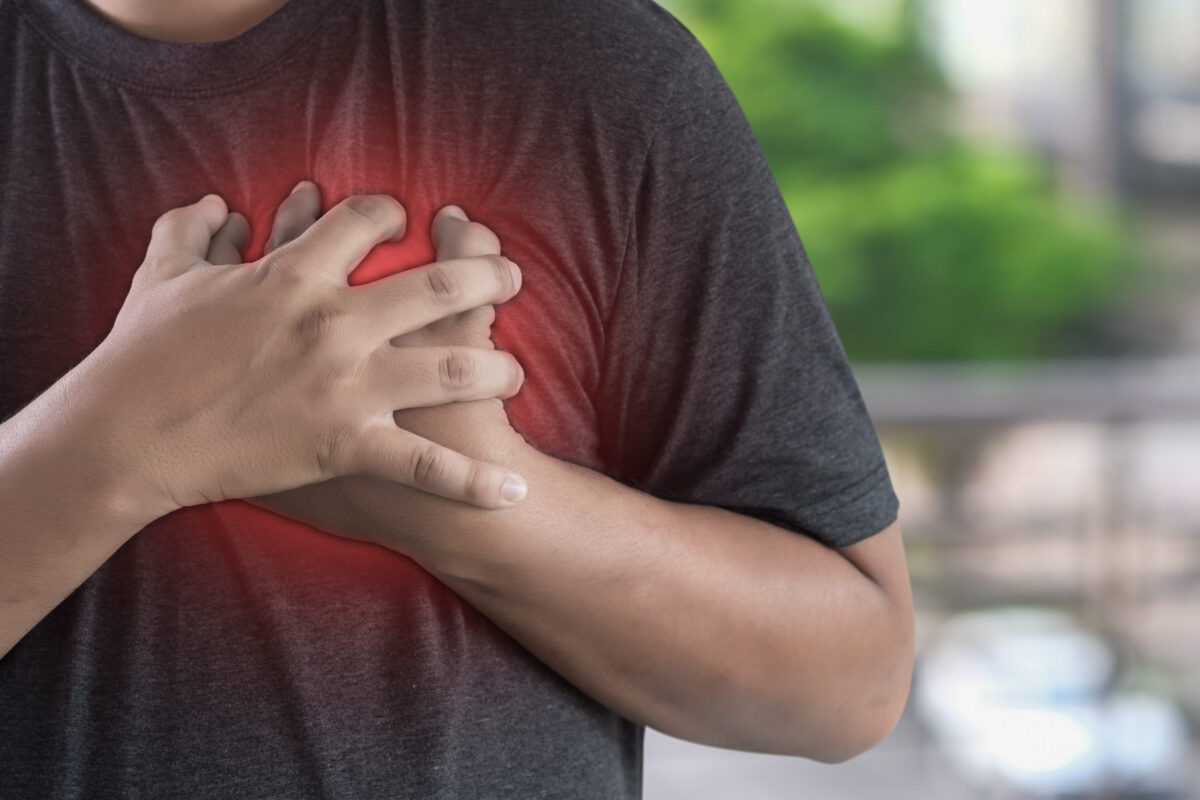
The heart is one of the biggest dangers in starvation. It is a muscle, and starvation weakens muscles. It also depends on a careful balance of minerals in the blood. When nutrition drops for too long, the heart may beat too slowly, pump less effectively, or become vulnerable to dangerous rhythm problems.
This is why starvation can become deadly even before a person looks as frail as people expect. The outside appearance does not always reveal the inside damage. Someone may appear exhausted, thin, or quiet, but the real threat may be their heart struggling to keep a steady rhythm. Once the heart becomes unstable, the situation can quickly become critical.
Illness Hits Harder
Starvation weakens the immune system. The body needs protein, vitamins, minerals, and energy to build immune cells, heal wounds, and fight germs. Without those resources, infections can become more serious. A small illness that a healthy person might recover from can become dangerous for someone who is severely undernourished.
This is especially frightening for children, older adults, pregnant people, and people with chronic health conditions. Their bodies may have fewer reserves to begin with. Starvation can also make it harder to stay warm, recover from injuries, and maintain normal blood pressure. The body is not simply waiting for food. It is losing its ability to defend itself.
Eating Again Can Be Risky
One of the most surprising truths is that eating after severe starvation can also be dangerous. When the body has adapted to a long period without enough food, suddenly giving it too much too quickly can shock the system. Fluids and minerals can shift rapidly, and that can affect the heart, lungs, brain, and muscles.
That is why severely malnourished people often need medical care when food is reintroduced. Recovery is not just about putting a plate in front of someone. The body may need careful monitoring, gradual nutrition, hydration support, and attention to dangerous electrolyte changes. Food is essential, but after serious starvation, the return to eating must be handled with care.
Conclusion
Starvation is frightening because it does not destroy the body all at once. It takes pieces first. Energy goes. Warmth fades. Muscles shrink. The brain slows. The immune system weakens. The heart struggles. By the time starvation becomes obvious, the body may already be in deep trouble.
The most important truth is this: starvation is not a test of willpower, toughness, or discipline. A medical emergency occurs when it becomes severe or prolonged. Anyone who cannot eat, refuses food for a long time, shows signs of severe weakness, confusion, fainting, dehydration, or extreme weight loss needs urgent help. The body can fight hard to survive, but it should never have to fight starvation alone.