The First Cool Weekend Calls for Apple Cake, Soup and a Kitchen Reset
When the Weather Changes, Home Cooking Changes Too
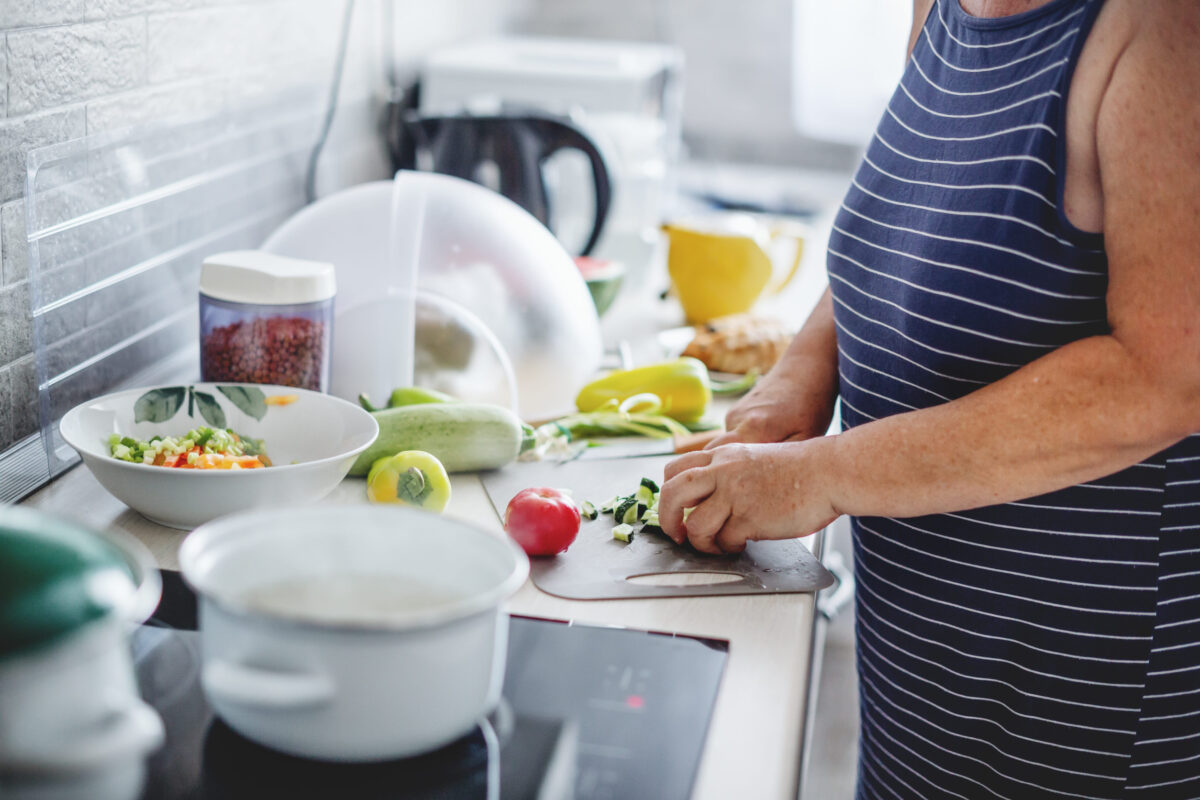
The arrival of cooler autumn days often brings a natural shift in the way people cook. As summer grilling, chilled dishes, and peak-season produce fade, kitchens shift toward warmer meals, longer cooking times, and familiar comfort foods.
The first cool weekend of fall isn’t a universal turning point for every cook or region, but it often offers a chance to rethink seasonal meals. Farmers markets may still be full of late-summer tomatoes, peppers, herbs, and vegetables, while early fall ingredients such as apples and winter squash begin appearing more frequently. The result is a transitional cooking season where fresh produce and comfort food can exist on the same table.
Food publications have recently highlighted this seasonal move toward recipes built around familiar autumn flavors, including apple desserts, vegetable soups, pasta dishes, cookies, and cider-based drinks. These dishes reflect a broader interest in practical home cooking that uses accessible ingredients and creates warmth as temperatures begin to drop.
Apple Desserts Mark the Start of Baking Season
Few ingredients signal fall cooking more clearly than apples. As apple harvests begin in many regions, home cooks often turn to cakes, pies, crisps, and cookies that highlight the fruit’s sweetness and natural acidity.
Apple cake is one of the simplest ways to bring seasonal flavors into the kitchen. Unlike more elaborate desserts that require precise techniques, many apple cakes rely on straightforward ingredients such as flour, eggs, sugar, butter or oil, spices, and chopped apples. The fruit adds moisture while balancing sweetness and texture. Apple-based desserts remain a popular fall tradition, with recipes ranging from classic cakes and pies to newer variations using cider, caramel, and warm spices.
Baking also offers a practical way to use apples that may not be perfect for eating fresh. Slightly soft or bruised apples can still work well in cakes, sauces, and baked desserts, helping reduce household food waste.
For many home cooks, the first fall baking project is less about following a strict seasonal calendar and more about creating a comfortable kitchen routine. Turning on the oven after months of hot-weather cooking can feel like a small seasonal reset.
Vegetable Soup Brings Late Summer Produce Into Fall
The transition into autumn does not mean summer vegetables immediately disappear. Tomatoes, zucchini, peppers, carrots, onions, and herbs can often continue to appear in gardens and farmers’ markets as the season changes.
Vegetable soup provides an easy way to use those ingredients while adapting to cooler weather. A flexible soup does not require a fixed recipe. Instead, cooks can combine available vegetables with beans, grains, pasta, broth, or herbs to create a meal that changes from week to week.
Fall soup recipes frequently feature ingredients such as squash, sweet potatoes, mushrooms, kale, and other seasonal produce. These dishes are valued because you can make them in large batches, store them for later meals, and adjust them based on what is available.
A kitchen reset during this period can also involve reviewing pantry supplies. Dried beans, canned tomatoes, pasta, rice, and spices often become the foundation for affordable meals that pair well with fresh seasonal ingredients.
Pasta Offers Comfort Without Complicated Cooking
As evenings become cooler, pasta often returns as a reliable weeknight meal. Pantry pasta is especially useful during the transition between seasons because it can combine preserved ingredients with fresh produce.
A simple tomato sauce made with late-summer tomatoes extends the harvest into fall. Cook tomatoes down with garlic, onions, herbs, and olive oil to make a sauce that works with different pasta shapes. Fresh basil and other garden herbs can still add brightness, while longer cooking times create richer flavors suited to cooler weather.
Pasta also reflects a broader trend in home cooking toward flexibility. A basic recipe can be adjusted depending on what is available, whether that means adding roasted vegetables, beans, greens, cheese, or leftover ingredients from the refrigerator.
Cider Moves From Orchard Tradition to Kitchen Ingredient
Apple cider has long been associated with autumn, particularly in regions with apple-growing traditions. Today, cider appears in a wide range of seasonal drinks and recipes, from warm beverages to cocktails and baked goods.
The Washington Post has explored cider’s cultural history and its continued role as a fall beverage, highlighting how apple cider has remained connected with autumn traditions in the United States.
Beyond drinking, cider can also be used as a cooking ingredient. Its sweetness and acidity can add depth to desserts, sauces, and savory dishes. Food publications have featured cider in recipes ranging from baked goods to glazes and braised dishes, showing its versatility beyond a simple seasonal drink.
For home cooks, cider-based recipes offer another way to bring autumn flavors into everyday meals without requiring a complete change in cooking style.
A Seasonal Reset Without Strict Rules
The first cool weekend of fall does not require abandoning all summer habits. Instead, it offers a chance to combine the best of both seasons. Late-summer vegetables can be transformed into soups and sauces, while apples and cider introduce the flavors traditionally associated with autumn.
The most practical fall cooking approach is often the most flexible one. A vegetable drawer, a stocked pantry, and a few seasonal ingredients can provide the foundation for meals that feel comforting without being complicated.
As temperatures drop, the kitchen naturally becomes a gathering place again. Whether you’re baking an apple cake, simmering a pot of soup, preparing a simple pasta dish, or mixing a cider drink, the first cool weekend of the season is less about following a rulebook and more about embracing the return of slower, warmer cooking.