Food Halls Aren’t Just for Lunch Anymore; They’re Becoming the New Social Hotspots
There was a time when food halls had one obvious job: give hungry people plenty of choices without making everyone in the group agree on the same restaurant. One person could order tacos, another could grab noodles, and someone else could hunt down a burger before everyone met at a shared table. That convenience still matters, but food halls are rapidly becoming more than places to grab a quick meal.
Many of today’s venues are adding cocktail bars, live entertainment, sports screenings, private events, and full-service restaurants, turning a simple lunch stop into a destination where people can spend an entire afternoon or evening.
The transformation is happening as developers and restaurant operators rethink what customers actually want from dining spaces. Convenience remains important, especially in a world where delivery and takeout are easy to access, but eating out increasingly has to offer something people cannot recreate on their couches.
Food halls have found a clever answer by combining variety with entertainment, atmosphere, and community. The result is a format that feels less like the traditional shopping-mall food court and more like a social club where dinner happens to be part of the attraction.
Food Halls Have Moved Far Beyond the Food Court
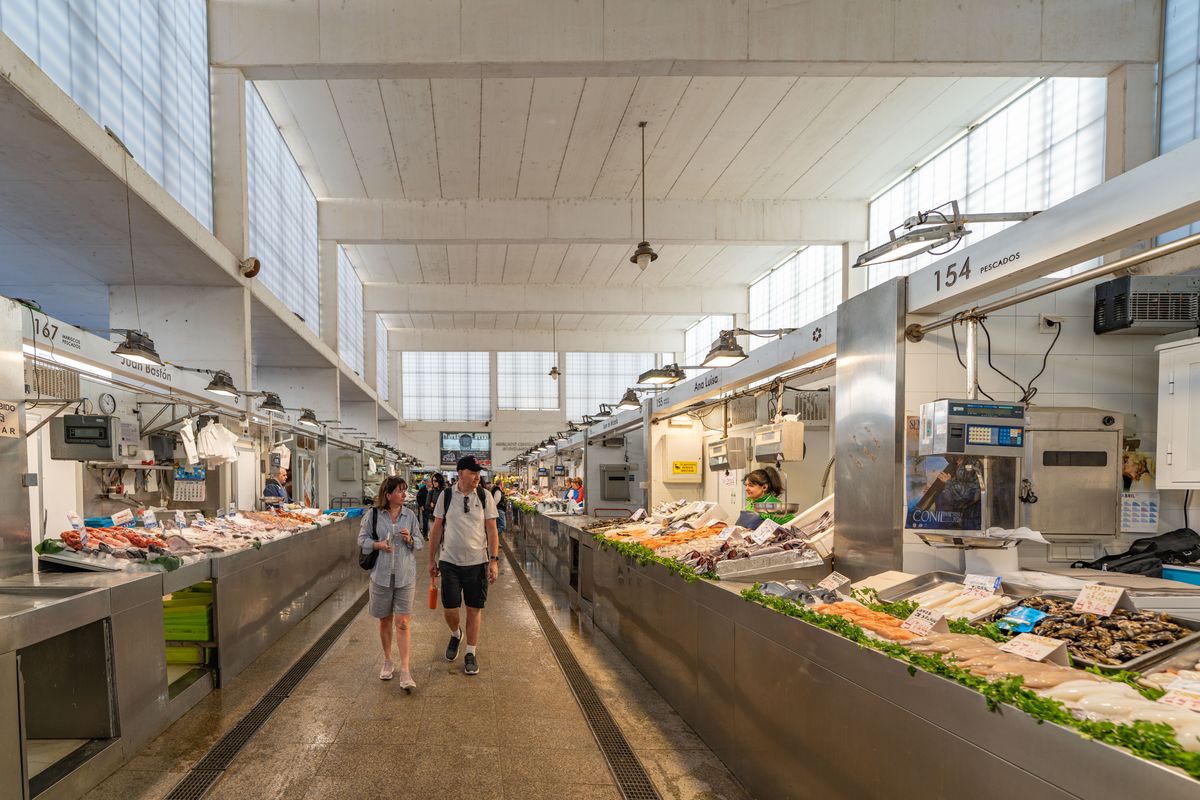
The industry’s growth shows how seriously operators are taking the concept. Colicchio Consulting’s State of Food Halls 2026 report counted 458 operating food halls in the United States, with another 114 projects in development. According to the firm, the number of food halls grew nearly 25% compared with its 2023 study, suggesting the model continues to attract investment even as the broader restaurant business deals with rising costs and changing customer habits.
Perhaps more importantly, food halls are no longer limited to big downtown districts packed with office workers and tourists. More than 70% of the projects in Colicchio Consulting’s development pipeline are located in suburban or secondary markets. That expansion is helping food halls become everyday neighborhood destinations rather than occasional attractions found only in major city centers. Europe is seeing similar momentum, with Cushman & Wakefield reporting that the number of food halls there grew by almost 50% between 2017 and 2024.
The modern food hall is also becoming much more carefully curated. Trip Schneck, managing partner at Colicchio Consulting, described the format during a 2026 CBRE podcast as “a collection of chef-driven, fast-casual, non-chain food and beverage options.” His description highlights one of the biggest differences between a food hall and an old-fashioned food court: successful halls are often built around distinctive local concepts rather than rows of familiar national chains.
Helge Zahrnt, head of Research & Insight Germany at Cushman & Wakefield, has also emphasized the importance of quality and local identity. He said successful food halls benefit from “a high-quality, preferably local and sustainable food offering.” That focus helps explain why many venues try to create a strong sense of place, giving visitors dishes, vendors, and experiences that feel connected to the neighborhood rather than copied from another city.
The Lunch Crowd Is No Longer Enough
The rise of hybrid work changed the game for restaurants that once depended heavily on office workers buying lunch every weekday. Food halls were not immune. If fewer people are commuting downtown five days a week, relying on the noon rush becomes a risky business model. Operators have responded by stretching the food hall experience well beyond traditional meal times and giving customers more reasons to visit after work or on weekends.
Colicchio Consulting’s 2026 report found that entertainment, stronger beverage programs and private events are playing larger roles in the sector. Phil Colicchio, a principal at the consulting firm, said food halls have “clearly established themselves as community gathering points.”He also noted that entertainment, variety, and cultural relevance have become important parts of what successful operators offer. That means the food itself may bring customers through the door, but the overall experience can determine how long they stay, and whether they come back.
New York City’s Shaver Hall is a striking example of how ambitious the format has become. The 35,000-square-foot venue opened in June 2026 inside the former Lord & Taylor flagship building on Fifth Avenue. Instead of relying only on quick-service stalls, the project includes 11 food vendors, three full-service restaurants, two bars, a bodega, and space for live performances and events.
Its programming includes live music, sports watch parties, happy hours, and themed events, allowing the venue to attract different crowds throughout the day. Jack Gibbons, CEO of FB Society, the company behind Shaver Hall, said the project combines “Michelin-starred talent, the nostalgia of a Brooklyn slice, and the social energy of a great cocktail bar.” That description says a lot about where the industry is heading. A successful food hall is no longer expected to simply feed customers. It is increasingly expected to entertain them.
What Food Halls Are Really Selling Is the Experience
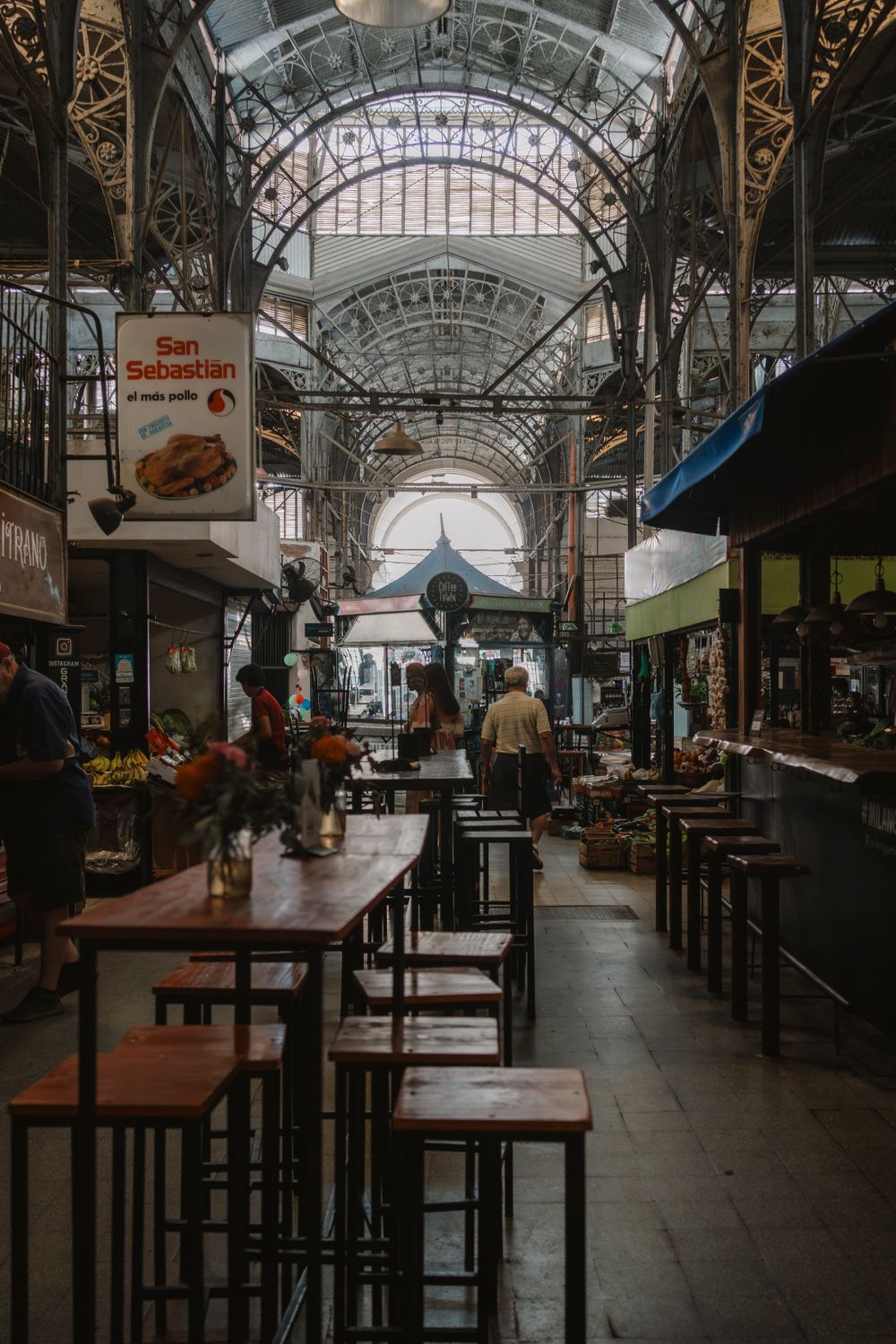
This shift makes even more sense when viewed alongside broader restaurant trends. The National Restaurant Association reported in 2025 that nearly three-quarters of restaurant traffic was happening off-premises. Takeout, delivery, and drive-thru service have become deeply embedded in consumer habits, meaning restaurants have to work harder to convince people that leaving home is worth the effort.
Dr. Chad Moutray, the association’s chief economist, described off-premises dining as “a key revenue driver and an essential way to engage consumers.” But the organization’s research has also shown interest in experiences such as tasting events, chef dinners, and cooking classes. That creates an opportunity for food halls, which can offer both convenience and experience under the same roof. Someone who wants a fast dinner can get one, while another visitor can order cocktails, listen to music, and turn the same trip into a full night out.
The National Restaurant Association also found in its 2025 industry research that 64% of full-service restaurant customers considered experience-related factors more important than the meal’s price. That is a powerful signal for an industry that has spent years competing heavily on speed, discounts, and convenience. Customers may still care about value, but many also want dining out to feel memorable.
Food halls are especially suited to that demand because they remove one of the most common problems groups face when eating out: agreeing on what everybody wants. Friends can order from different vendors, families can accommodate different tastes, and curious diners can sample several cuisines without committing to a single menu. When operators add bars, events, entertainment, and comfortable communal spaces, the food hall becomes more than somewhere to eat. It becomes somewhere to gather.
Of course, not every food hall is guaranteed to succeed. Industry experts continue to point to location, vendor selection, design, operations and programming as crucial factors. Simply filling a large building with food stalls is not enough to create the kind of atmosphere that keeps customers returning.
Still, the industry’s direction is becoming hard to miss. The newest generation of food halls is built around the idea that people want more than another place to buy lunch. They want choice, energy, entertainment, and spaces where different tastes can coexist without anyone having to compromise.
That may be why food halls keep evolving. They can serve a quick sandwich at noon, host drinks after work, and turn into an entertainment venue at night, all without completely changing their identity. Lunch may have helped make food halls popular, but these days, it is increasingly just the beginning.