China-US Sanctions War Escalates as Drone Restrictions and Technology Rivalry Push the World Toward a New Economic Divide
A new economic battle is unfolding between the world’s two largest economies, and this time the conflict is not only about tariffs or trade deficits. The latest China-US sanctions dispute reveals a deeper struggle over technology, national security, artificial intelligence, and control of the industries that could define global power for decades.
China and the United States are once again exchanging economic pressure as both nations strengthen their positions ahead of an expected meeting between Chinese President Xi Jinping and President Donald Trump. Beijing has announced sanctions against several American entities and introduced tighter export controls on drones after Washington expanded restrictions targeting Chinese companies and advanced technologies.
The confrontation reflects a dramatic shift in one of the most important economic relationships in modern history. For decades, China and the United States benefited from deep commercial connections, with American companies relying on Chinese manufacturing and Chinese businesses depending on access to American markets and technology.
That era of cooperation has increasingly given way to strategic competition. The latest China-US sanctions dispute shows that technology has become the new battlefield where economic influence, security concerns, and global leadership are being contested.
The consequences could extend far beyond government offices in Beijing and Washington. Companies, workers, consumers, and entire industries around the world are now watching as two economic giants move toward a more divided future.
The Sanctions Announcement Reveals a Much Bigger Power Struggle
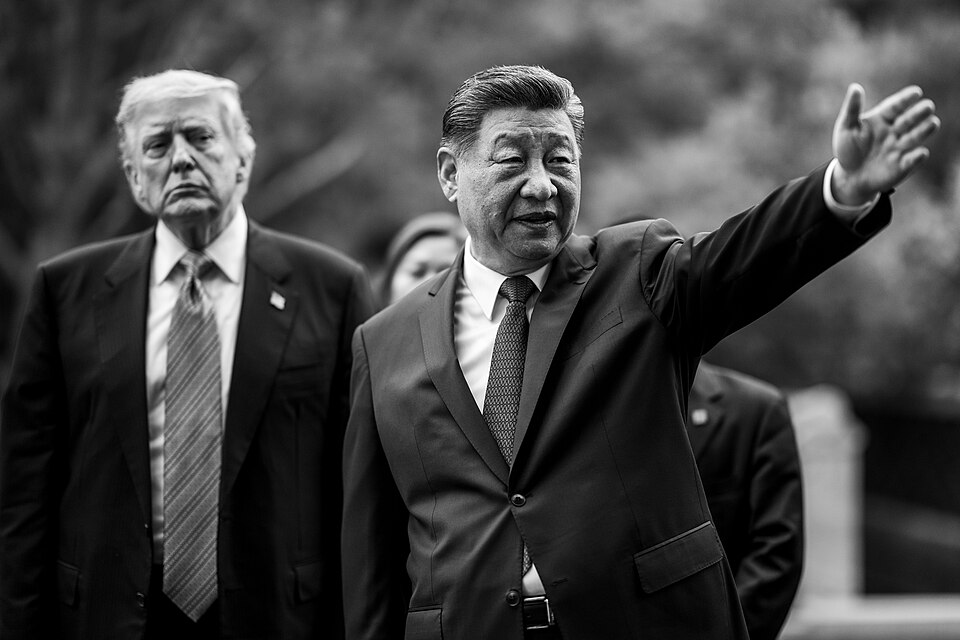
The latest China-US sanctions measures represent more than a simple exchange of penalties between governments. They are part of a broader competition over who will control the technologies that shape the next generation of economic growth.
China’s Ministry of Commerce announced sanctions against seven American entities, including companies linked to biotechnology and resource analysis. Beijing described the measures as a necessary response to recent American restrictions placed on Chinese firms.
Chinese officials argued that Washington’s actions threatened China’s economic interests and national security. They warned that if the United States continued introducing new restrictive measures, Beijing would consider additional counteractions.
The announcement followed several American moves aimed at limiting China’s access to strategic technologies. Washington has increased restrictions involving advanced robotics, industrial equipment, artificial intelligence-related technologies, and companies considered important to national security concerns.
The growing list of restrictions shows how the relationship between China and the United States has changed. Economic competition is no longer focused only on exports, imports, and market access.
Instead, both countries are increasingly focused on controlling the technologies that will influence future industries.
Artificial intelligence, robotics, drones, semiconductors, and advanced manufacturing have become symbols of national strength. Whoever leads these sectors could gain significant economic and strategic advantages.
This explains why the China-US sanctions conflict continues to expand beyond individual companies. The dispute is becoming a competition over the foundations of future global power.
The Drone Industry Becomes the Latest Symbol of the Technology War
One of the most important elements of China’s latest response involves tighter export controls on drones. The decision places the drone industry at the center of the growing China-US technology rivalry.
Drones have changed dramatically over the past decade. What was once viewed mainly as a consumer technology has become an important tool for businesses, governments, and security organizations.
Farmers use drones to monitor crops and improve agricultural efficiency. Construction companies use them to inspect large projects and collect data. Emergency teams rely on drones during disasters because they can reach dangerous areas quickly.
The technology has also become important in defense and security discussions. Modern drones can carry advanced sensors, collect information, and operate with sophisticated software systems.
This has increased concerns among governments about who controls drone manufacturing and data collection.
The United States has raised national security concerns about foreign-made drones and related equipment. Washington has taken steps to limit certain drone technologies, including restrictions affecting approval for some foreign manufacturers.
China, meanwhile, remains one of the world’s leading producers of commercial drones. Chinese companies have built strong global supply chains and captured significant portions of the international market.
This creates a difficult situation. Governments want to address security concerns, but industries also depend on affordable and reliable drone technology.
A farmer using a drone to improve crop production is not directly involved in geopolitical competition. A construction company using drones for safety inspections is not part of a diplomatic dispute.
Yet these businesses may still feel the effects of decisions made by governments thousands of miles away.
The World Could Be Moving Toward Two Separate Technology Systems

One of the biggest concerns surrounding the China-US sanctions conflict is the possibility of a divided global technology environment.
For decades, globalization encouraged countries and companies to cooperate across borders. Businesses built supply chains based on efficiency, cost, and access to specialized expertise.
A smartphone could include components designed in several countries. A vehicle could rely on materials and technology from multiple continents. A factory could use equipment developed by international partners.
That system is now facing pressure. Governments are increasingly prioritizing national security alongside economic efficiency. Technology decisions are becoming political decisions.
A company choosing a supplier is no longer only asking whether the supplier is affordable or reliable. It may also need to consider whether future sanctions could disrupt that relationship.
This shift could create what some experts describe as a technology divide.
The United States and its allies may develop one set of technology networks, while China and its partners build another.
Such a division could affect artificial intelligence systems, telecommunications, cloud computing, and industrial automation. The result could be higher costs for companies and slower innovation worldwide.
Technology develops fastest when researchers, businesses, and countries can exchange ideas. A more divided environment could make cooperation more difficult.
The China-US sanctions conflict therefore represents more than a political disagreement. It could influence how the global economy operates for decades.
American Businesses Face a New Era of Uncertainty
While governments often describe sanctions as tools for protecting national interests, businesses frequently experience the consequences directly.
American companies operating in China now face a more complicated environment. Decisions involving manufacturing, partnerships, and technology development must consider changing political conditions.
Companies that once viewed China primarily as a major market and manufacturing hub must now evaluate potential risks.
Supply chain restructuring can be expensive and time-consuming. Businesses may need to find new suppliers, relocate production, or create alternative strategies.
Large corporations may have the financial ability to adapt, but smaller companies often face greater challenges.
A small technology company that depends on international suppliers may struggle when regulations suddenly change. The uncertainty also affects investment decisions.
Businesses are more cautious when expanding into markets where future restrictions could affect operations.
This does not mean companies are leaving China entirely, but many are exploring ways to reduce dependence on a single country. The trend has created a new business concept known as supply chain resilience.
Companies are no longer focused only on producing goods cheaply. They are increasingly focused on creating systems that can survive political disruptions.
The China-US sanctions conflict has accelerated this transformation.
Retaliation Creates a Dangerous Cycle Between Two Superpowers
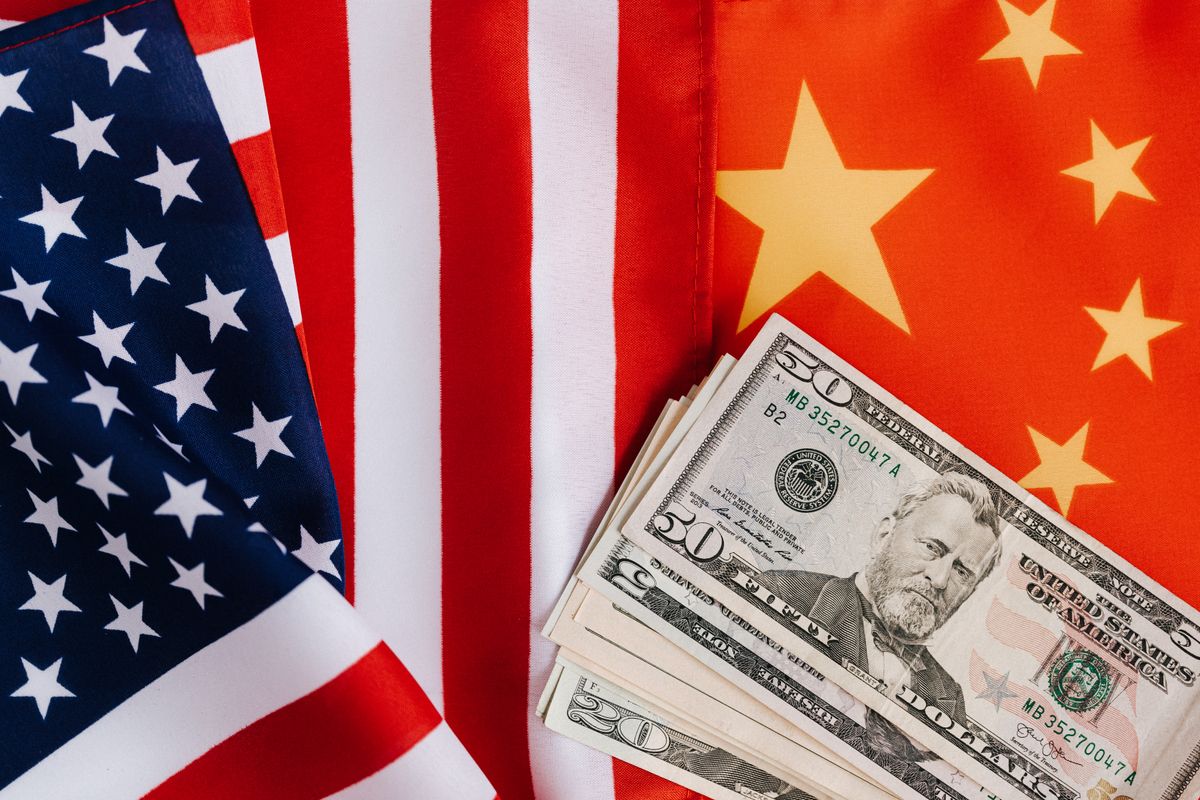
The latest confrontation follows a pattern that has developed over several years.
The United States introduces restrictions targeting Chinese companies or technologies. China responds with sanctions or export controls. Washington considers additional measures, and Beijing prepares further responses.
This cycle creates a difficult question. At what point does economic competition become economic separation? Sanctions can be useful diplomatic tools. Governments use them to pressure rivals, protect strategic industries, or influence negotiations.
However, repeated escalation can create unintended consequences.
Businesses may become trapped between competing regulations. International cooperation may decline. Global markets may become less predictable.
History provides examples of how major power rivalries can reshape the world economy.
During the Cold War, the United States and Soviet Union developed competing political and economic systems. Although the current China-US relationship is different because both economies remain deeply connected, the risks of long-term division are becoming more visible.
The China-US sanctions conflict could create a new form of economic competition where technology replaces traditional military strength as the primary measure of influence.
Artificial Intelligence and Robotics Are the Real Battleground
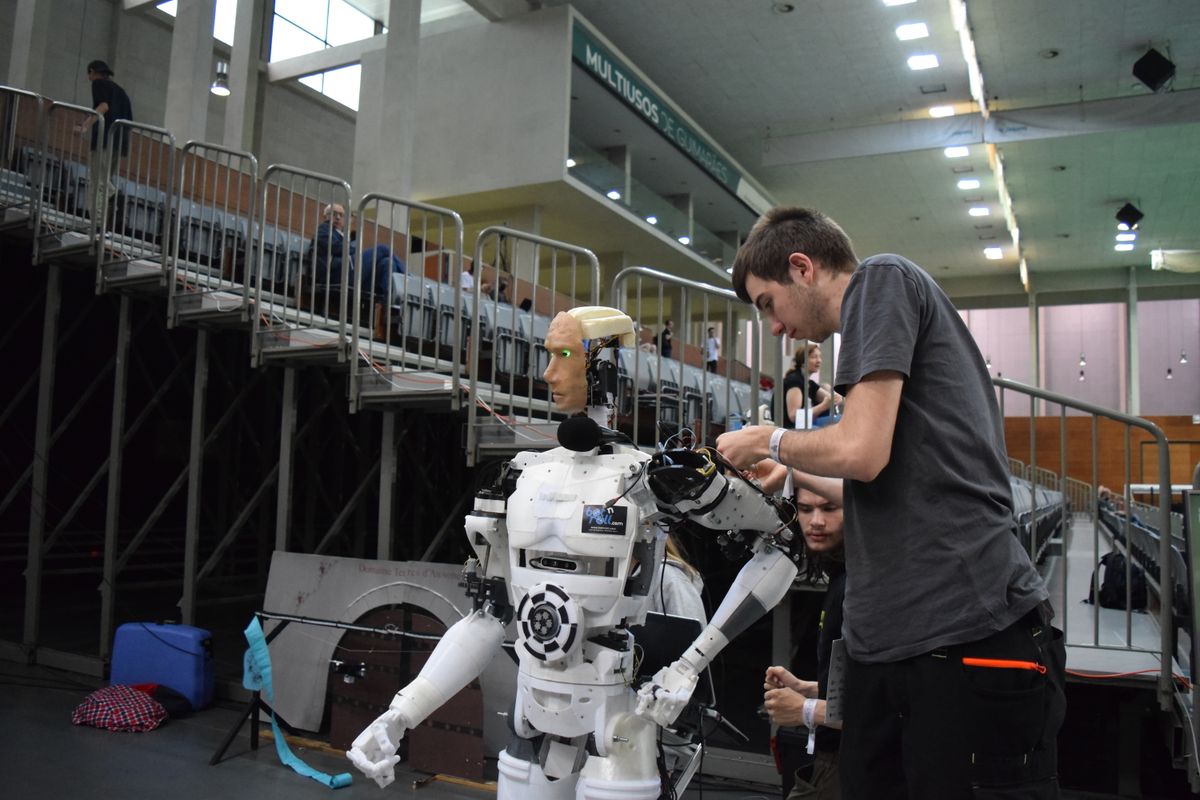
Behind the debate over drones and sanctions lies a larger competition over artificial intelligence and automation. Both China and the United States recognize that these technologies could transform industries and economies.
Artificial intelligence is already changing healthcare, transportation, finance, manufacturing, and scientific research. Robotics is reshaping factories by improving efficiency and reducing production costs.
The countries that lead in these areas may gain advantages in productivity, innovation, and global influence. This explains why technology restrictions have become such a major part of the China-US sanctions dispute.
The conflict is not simply about preventing access to individual products. It is about controlling the infrastructure of the future economy. China has invested heavily in domestic innovation as part of its strategy to reduce dependence on foreign technology.
The United States has focused on protecting advanced technologies that officials believe are important for national security. Both nations see technological leadership as essential.
The competition will likely continue because neither side wants to fall behind in industries that may determine economic success for the next generation.
Other Countries Are Being Forced to Navigate Between Beijing and Washington
The China US sanctions conflict does not only affect the two countries involved. Many nations maintain important relationships with both China and the United States.
European countries trade heavily with China while depending on American technology and security partnerships. Asian economies often rely on Chinese manufacturing while maintaining cooperation with Washington. Developing countries also face difficult decisions.
China has become a major source of infrastructure investment and trade opportunities in many regions. The United States remains a major financial, technological, and diplomatic partner.
As competition increases, smaller economies may face pressure to choose sides. This creates uncertainty for governments seeking economic growth. A divided global system could make international trade more complicated.
Countries may need to consider not only economic benefits but also political consequences when selecting technology partners or investment agreements.
The China US sanctions conflict therefore has global implications beyond the immediate dispute.
The Xi-Trump Meeting Faces Pressure From Growing Distrust
The timing of the sanctions announcement adds additional importance to the expected meeting between Xi Jinping and Donald Trump.
Diplomatic meetings between major powers often depend on trust and preparation. However, sanctions can make negotiations more difficult by increasing suspicion.
Both countries may view economic restrictions as leverage.
China wants recognition of its economic interests and sovereignty. The United States wants to protect strategic technologies and address security concerns. Finding common ground will not be easy.
However, maintaining communication remains important because a complete breakdown between the two economies would create major consequences worldwide. Investors, businesses, and governments are watching closely.
The outcome of future discussions could influence whether the China-US relationship moves toward greater cooperation or deeper separation.
The Future of Globalization May Be Defined by This Rivalry
The China US sanctions conflict has become a defining issue of the modern global economy.
What began as trade disagreements has expanded into a struggle over technology, security, and economic influence.
The latest sanctions against American entities and China’s drone export restrictions demonstrate that both governments are preparing for a longer competition.
The decisions made today will shape how businesses operate, how countries cooperate, and how technology develops in the future.
The world now faces a critical question: Can the United States and China compete without creating a permanent divide?
The answer will determine whether the next era of globalization is built on cooperation with safeguards or separation between competing economic systems.
The conflict over drones, artificial intelligence, and sanctions may appear to be about specific policies and companies, but the deeper issue is much larger. It is about who will shape the future of technology, trade, and global power in the decades ahead.