8 Popular Foods Experts Warn Could Be Quietly Damaging Your Health
Some foods look harmless because they are everywhere. We see them in lunchboxes, office snacks, supermarket carts, family dinners, drive-thru bags, and even “healthy” routines that feel normal because everyone else eats the same way.
The danger is that familiarity can make risky foods seem innocent, especially when they are cheap, fast, tasty, and aggressively marketed as part of modern life. We do not need to fear every packaged item or treat every meal like a medical exam. The real problem begins when popular foods become daily habits and slowly crowd out whole foods that protect the body.
Too much added sugar, sodium, saturated fat, refined starch, and heavily processed ingredients can push the body toward weight gain, high blood pressure, blood sugar swings, digestive trouble, and long-term disease risk. These ten popular foods deserve a closer look because they may be causing more harm than most people realize.
Sugary Drinks

Sugary drinks are among the easiest ways to overload the body with sugar without feeling full. Soda, sweet tea, fruit punch, energy drinks, flavored lemonades, and many bottled coffees can deliver a large sugar hit in minutes. We may drink them casually with meals, during work, or while driving, but the body still has to process that flood of liquid sugar.
Unlike whole fruit, these drinks usually lack fiber, chewing time, and natural fullness signals. The problem gets worse because sugary drinks can become a daily routine before we notice the cost. Regular intake is linked to weight gain, poor blood sugar control, increased risk of fatty liver, and greater heart health concerns.
A can of soda may feel small, but repeated over weeks and months, it can quietly train the body to expect constant sweetness. We can make a smarter shift by choosing water, sparkling water, unsweetened tea, or fruit-infused water. The less often we drink calories, the easier it becomes to control sugar without feeling deprived.
Processed Meats
Processed meats may be convenient, but they carry health concerns that should not be ignored. Bacon, hot dogs, sausages, salami, ham, pepperoni, deli meats, and cured meats often contain high levels of sodium, preservatives, and saturated fat.
They are popular because they are quick, flavorful, and easy to add to sandwiches, breakfasts, pizzas, and party trays. Still, convenience does not erase the risk. Frequent processed meat intake has been linked to higher colorectal cancer risk and heart health concerns. The issue is not one sandwich at a family event.
The issue is making processed meat a regular protein source while ignoring fresher options. We can reduce damage by choosing grilled chicken, fish, beans, lentils, eggs, tofu, or lean fresh meats more often. If processed meats remain in the diet, smaller portions and less frequent use are better than treating them as everyday staples.
Packaged Snack Chips

Chips are designed to be difficult to stop eating. Potato chips, corn chips, cheese puffs, tortilla chips, and flavored crisps often combine salt, fat, crunch, and refined starch in a way that encourages mindless snacking.
We open a bag for a few bites, and suddenly half of it is gone. The body receives calories, sodium, and fat, but very little protein, fiber, or lasting nutrition. The danger is not just the snack itself. It is the way chips replace better foods. Instead of fruit, nuts, yogurt, boiled eggs, hummus, or vegetables, we fill hunger with a salty crunch that leaves us wanting more.
Too much sodium can put pressure on heart health, especially when combined with restaurant meals and other packaged foods. We can still enjoy crunchy snacks, but smarter options include air-popped popcorn, roasted chickpeas, lightly salted nuts, sliced vegetables with dip, or whole-grain crackers with protein.
White Bread
White bread feels harmless because it is soft, cheap, and familiar. It sits behind toast, sandwiches, burgers, breakfast plates, and school lunches. The problem is that many white breads are made from refined flour that has been stripped of much of its natural fiber.
Without enough fiber and protein in the meal, white bread can be digested quickly, leaving us hungry sooner than expected. That quick digestion can contribute to blood sugar spikes and cravings, especially when white bread is paired with jam, sugary spreads, processed meats, or fried fillings.
We do not need to ban bread, but we should choose bread that works harder for the body. Whole-grain bread, sprouted-grain bread, rye bread, or high-fiber options can offer better fullness and steadier energy. The goal is not perfection. The goal is to stop letting refined bread dominate meals that need more nutrients.
Fast Food Burgers
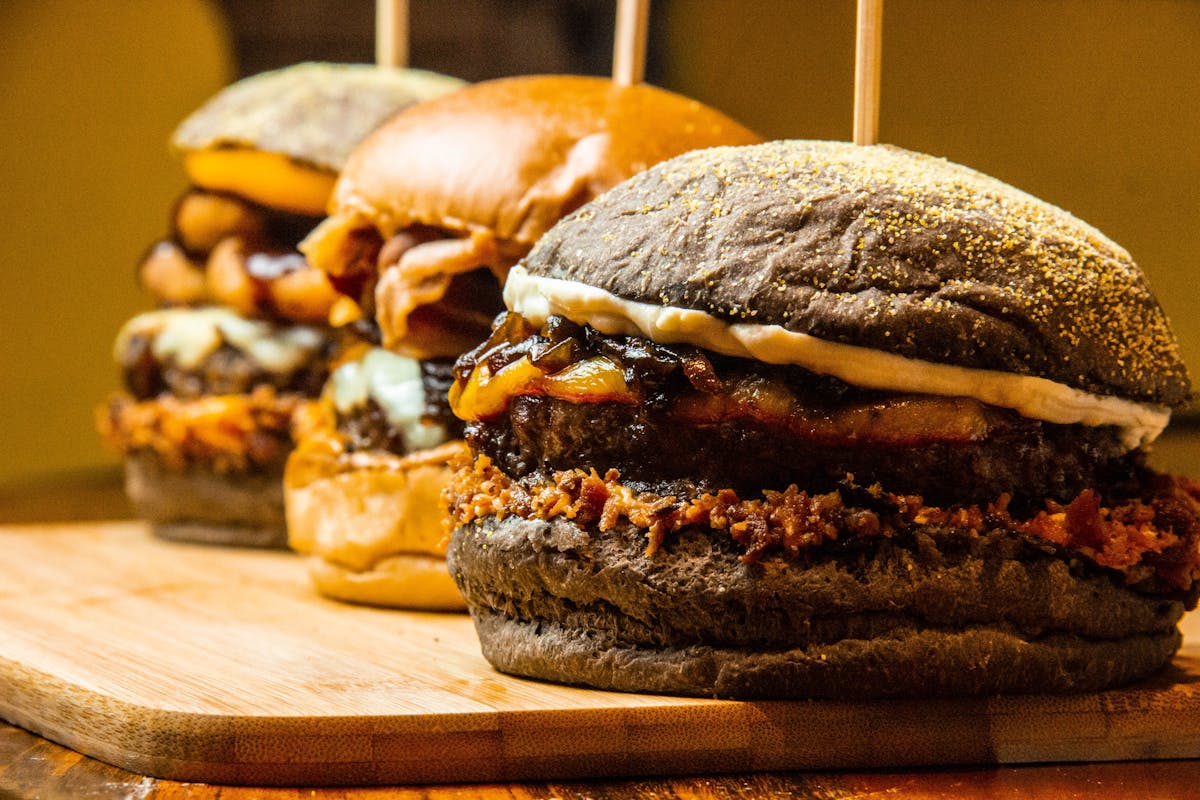
Fast-food burgers are popular because they satisfy hunger quickly, but they can also pile on multiple health problems in one meal. A typical burger may bring refined bread, high-fat meat, salty sauces, processed cheese, and a side of fries.
Add soda, and one meal can become a heavy load of sodium, saturated fat, refined carbs, and added sugar. It tastes satisfying, but the body pays attention long after the meal ends. The bigger concern is frequency. A burger once in a while is different from relying on fast food several times a week.
When fast food becomes the default meal, we usually lose vegetables, fiber, balanced protein intake, and portion control. We can reduce the harm by choosing smaller burgers, skipping sugary drinks, adding salad, avoiding extra cheese and bacon, or choosing grilled options when available. Better still, preparing burgers at home gives us control over the quality of the meat, the amount of salt, the toppings, and the portion size.
Frozen Pizza
Frozen pizza can look like an easy dinner, but it often hides a lot of sodium, refined flour, saturated fat, and processed meat. Pepperoni, sausage, extra cheese, and stuffed-crust versions can turn a simple meal into a heavy combination of salt and fat.
Because frozen pizza is cheap and convenient, it can become a weekly habit in busy homes. That habit can quietly lower overall diet quality. The issue is not pizza itself. Homemade or better-balanced pizza can include vegetables, lean protein, whole-grain crust, and reasonable cheese portions.
The problem is relying heavily on processed frozen options that deliver calories without enough fiber or freshness. If we keep frozen pizza at home, we can improve it by adding vegetables, serving it with a salad, choosing thin crust, limiting processed meat toppings, and watching portion sizes. Small changes can reduce the damage without removing comfort food completely.
Sweet Breakfast Cereals
Breakfast cereal often wears a health halo, especially when the box mentions vitamins, minerals, whole grains, or energy. Many popular cereals, however, still contain a lot of added sugar and refined grains. Children and adults can start the day with a bowl that tastes more like dessert than breakfast.
After the quick sugar rush fades, hunger and cravings may return before lunch.A better breakfast should help us stay full and focused. That means more protein, fiber, and fewer added sugars. Oatmeal, Greek yogurt, eggs, fruit, nuts, high-fiber cereal, or whole-grain toast with peanut butter can help sustain energy levels.
We don’t have to throw out every cereal box, but we should read labels carefully. A cereal that lists sugar near the top of the ingredient list should be treated like a sweet snack, not a daily health food.
Packaged Pastries
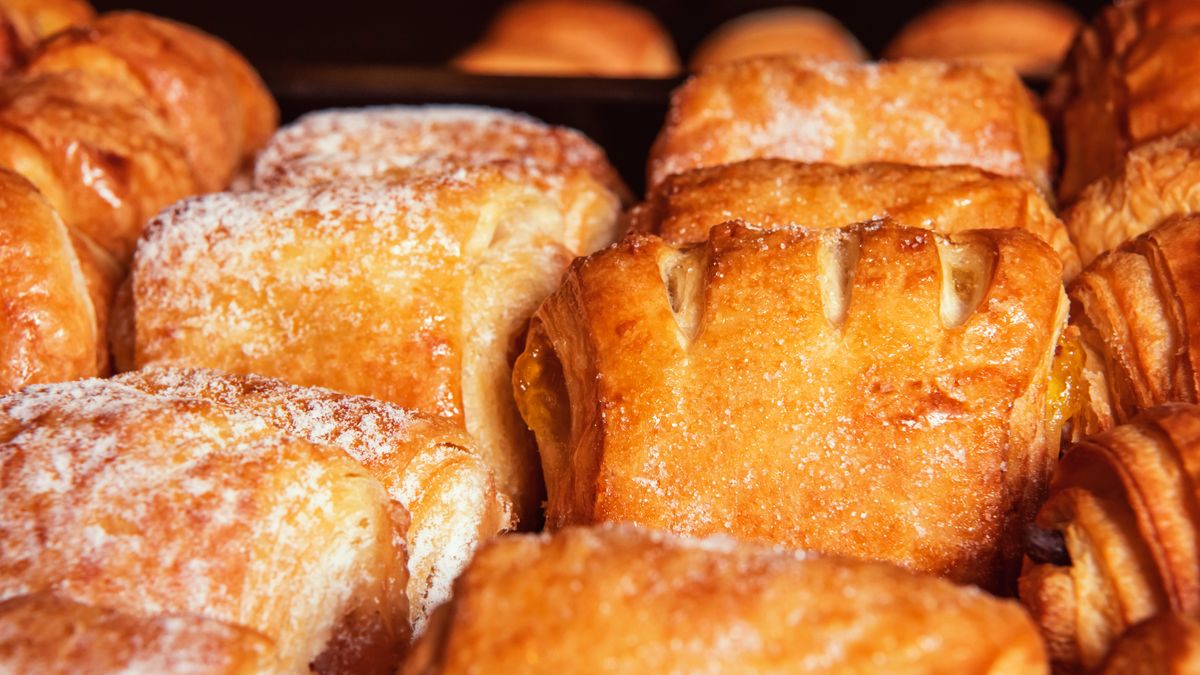
Packaged pastries are everywhere, from convenience stores to office break rooms. Doughnuts, snack cakes, muffins, toaster pastries, cream-filled cakes, and sweet rolls may seem like quick comfort, but they often contain refined flour, added sugar, unhealthy fats, and very little fiber.
They can create a short burst of pleasure followed by sluggishness and renewed hunger. That makes them especially risky as a breakfast habit. The problem with pastries is that they often replace real meals. We grab one with coffee and call it breakfast, but the body still needs protein, minerals, fiber, and healthy fats.
Over time, that pattern can support weight gain, poor blood sugar control, and lower diet quality. A better approach is to treat pastries as occasional desserts rather than meal replacements. When morning hunger hits, options like eggs, oats, yogurt, fruit, nuts, or whole-grain toast offer far more staying power.
Conclusion
The most dangerous foods are not always strange, rare, or dramatic. Many of them are ordinary items we eat without thinking. Sugary drinks, processed meats, chips, white bread, fast food burgers, frozen pizza, sweet cereals, packaged pastries, instant noodles, and flavored yogurts can all fit into modern life too easily.
The risk grows when they become routine instead of occasional.We protect our health by paying attention to patterns. One snack does not ruin the body, but repeated choices shape blood pressure, blood sugar, weight, energy, digestion, and long-term disease risk.
A better diet does not require perfection. It requires more whole foods, more fiber, more protein, less added sugar, less sodium, and fewer ultra-processed shortcuts. When we stop treating popular foods as harmless just because everyone eats them, we gain back control over our health one meal at a time.