10 awful Uber passenger habits that make drivers dread the next pickup
Every Uber ride begins with a tiny gamble. The driver pulls up, checks the name, unlocks the door, and hopes the next ten minutes will be normal. Most riders are easy. They get in, say hello, ride quietly, and leave without turning the back seat into a crime scene.
Then there are the passengers who make drivers question every life choice that led them to that curb. They treat someone’s personal car like a hotel lobby, a trash can, a moving bar, or a therapy office on wheels. The ride may only last 12 minutes, but the headache can follow the driver for the rest of the night.
The passenger who makes the driver wait forever
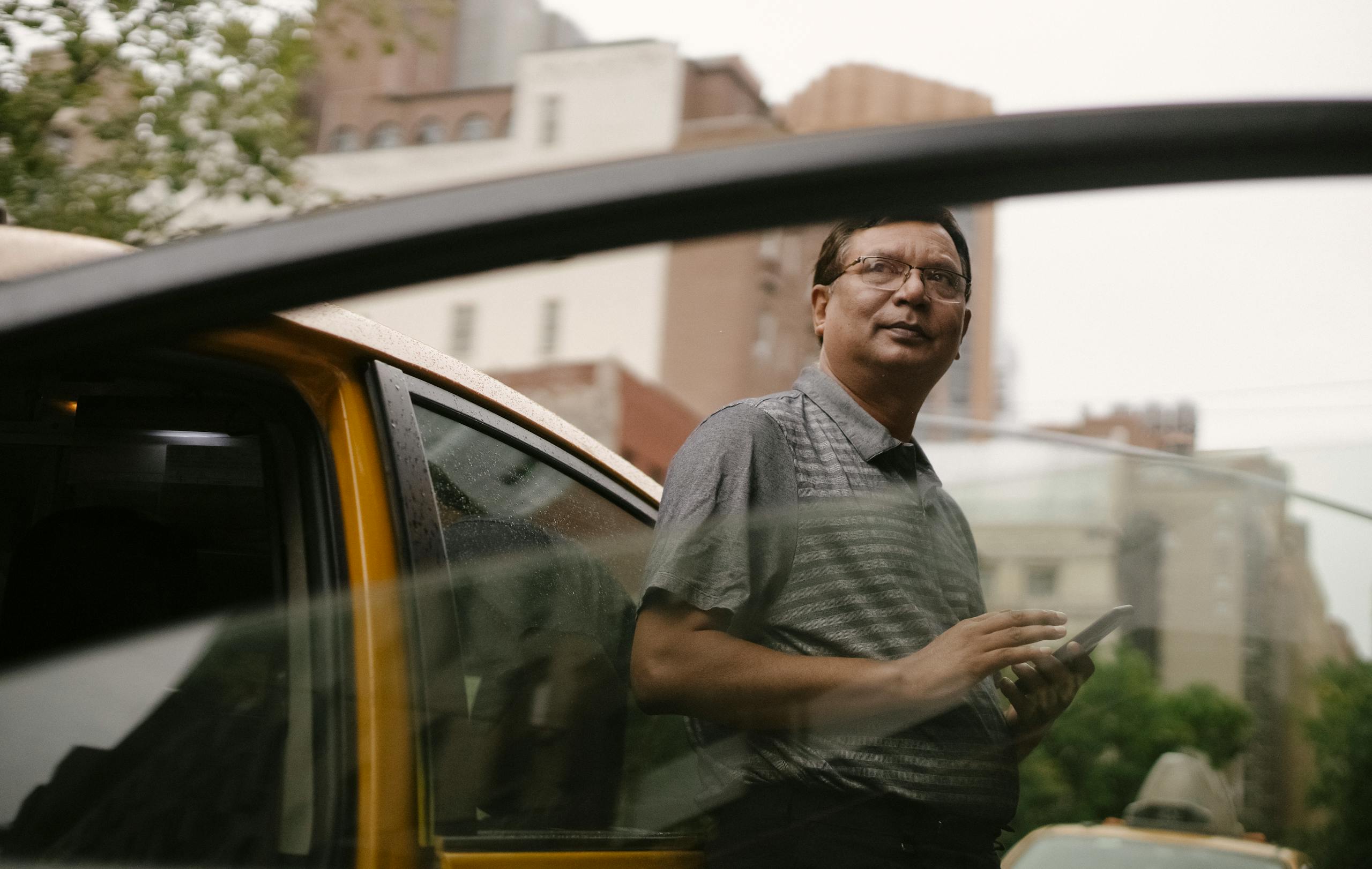
Nothing starts a ride badly like a passenger who orders the car, watches it arrive, and still is not ready. The driver sits outside with hazards blinking while the rider is upstairs finding shoes, finishing a drink, saying goodbye, or pretending “I’m coming down” means anything real.
The worst part is how casual it feels to the passenger. To the driver, every wasted minute can mean lost money, missed rides, and more frustration. Being ready when the car arrives is not difficult. It is basic respect.
The passenger who tries to squeeze in too many people
This one happens more than it should. A group orders a regular Uber, then tries to pack in five, six, or more people because “it is only a short ride.” Suddenly, the driver has to be the bad guy for following safety rules.
Nobody enjoys that awkward curbside argument. The passengers may think the driver is being difficult, but seat belts and passenger limits exist for a reason. If the group is too large, order a bigger ride. Saving a few dollars is not worth turning the back seat into a human suitcase.
The passenger who leaves trash behind
Some riders leave water bottles, gum wrappers, receipts, tissues, food bags, makeup stains, and mystery crumbs as the car resets itself after every trip. They step out casually, and the driver turns around to see the damage.
That mess is more than annoying. It can delay the next ride and make the car feel dirty to the next passenger. A rider who would not throw trash around a friend’s car should not do it in an Uber. The back seat is not a garbage bin with GPS.
The passenger who brings food to the car is a diner
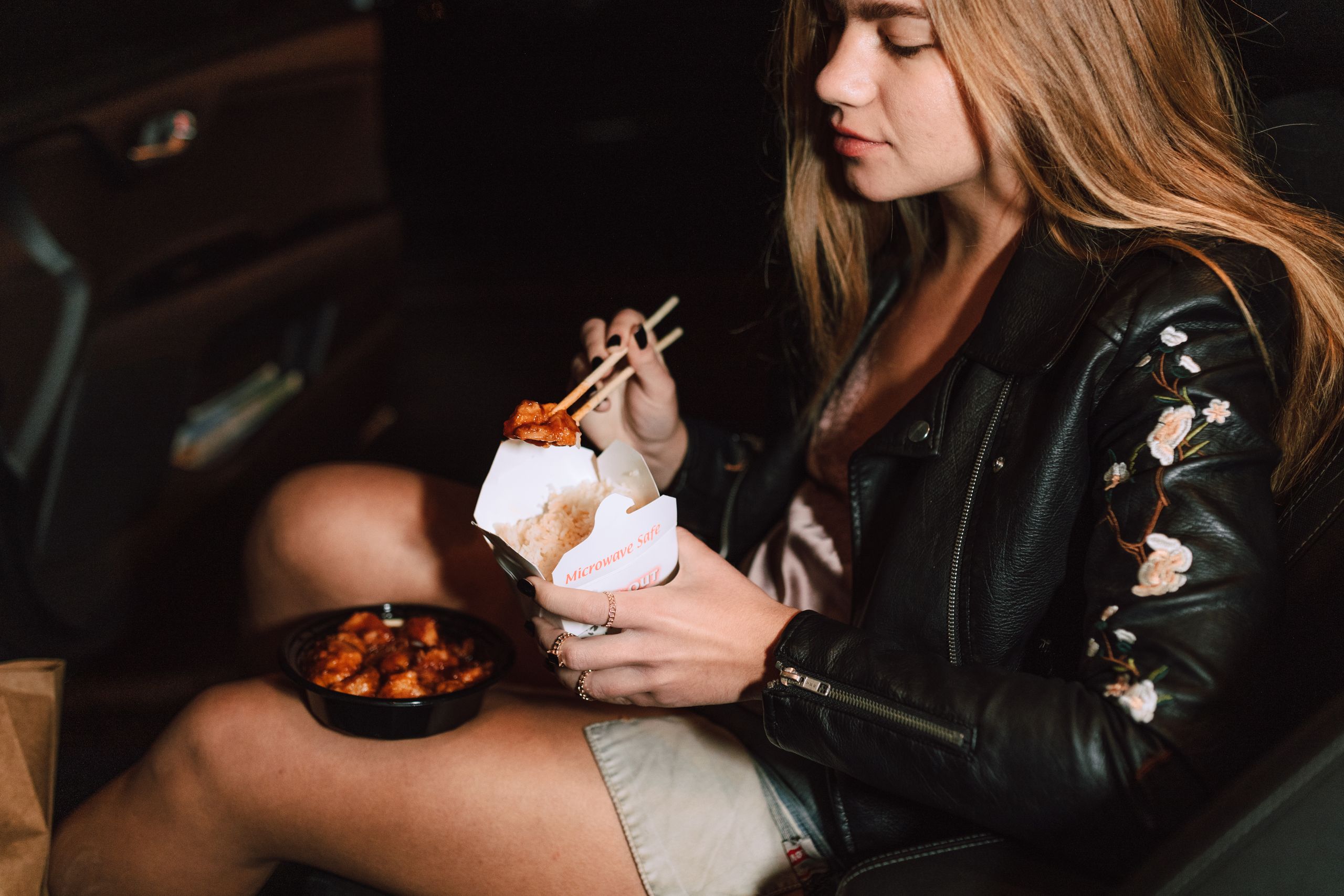
Some riders climb into an Uber with greasy fries, dripping sauces, melting ice cream, or a full takeout bag that smells like it could win a fight. They eat in the back seat, drop crumbs, wipe fingers on napkins, and act surprised when the driver looks nervous.
Drivers are not being dramatic. That car may be their workplace, their personal vehicle, and their next rider’s first impression. One spilled drink or food stain can ruin the night. If the food cannot survive the ride unopened, it probably should not come into the car.
The passenger who treats the driver like a servant
Some passengers forget they are in someone’s car, not a private limousine from a movie. They snap directions, complain about the route, demand temperature changes, criticize the music, and talk to the driver like an appliance with a steering wheel.
That attitude can drain the whole ride. A driver can be professional without accepting disrespect. A simple hello, please, and thank you changes the energy fast. The ride is a service, yes, but the person driving is still a person.
The passenger who asks the driver to break the rules
Some passengers think confidence can bend traffic laws. They ask drivers to speed, make illegal turns, stop in dangerous places, block traffic, fail to wear seat belts, or pull over where stopping is not allowed. Then they act irritated when the driver refuses.
That kind of pressure puts the driver in a terrible position. If something goes wrong, the passenger will not be the one dealing with the ticket, accident, or account trouble. A good rider does not ask a driver to risk safety for convenience. Being late is not a license to create danger.
The passenger who changes the destination mid-ride
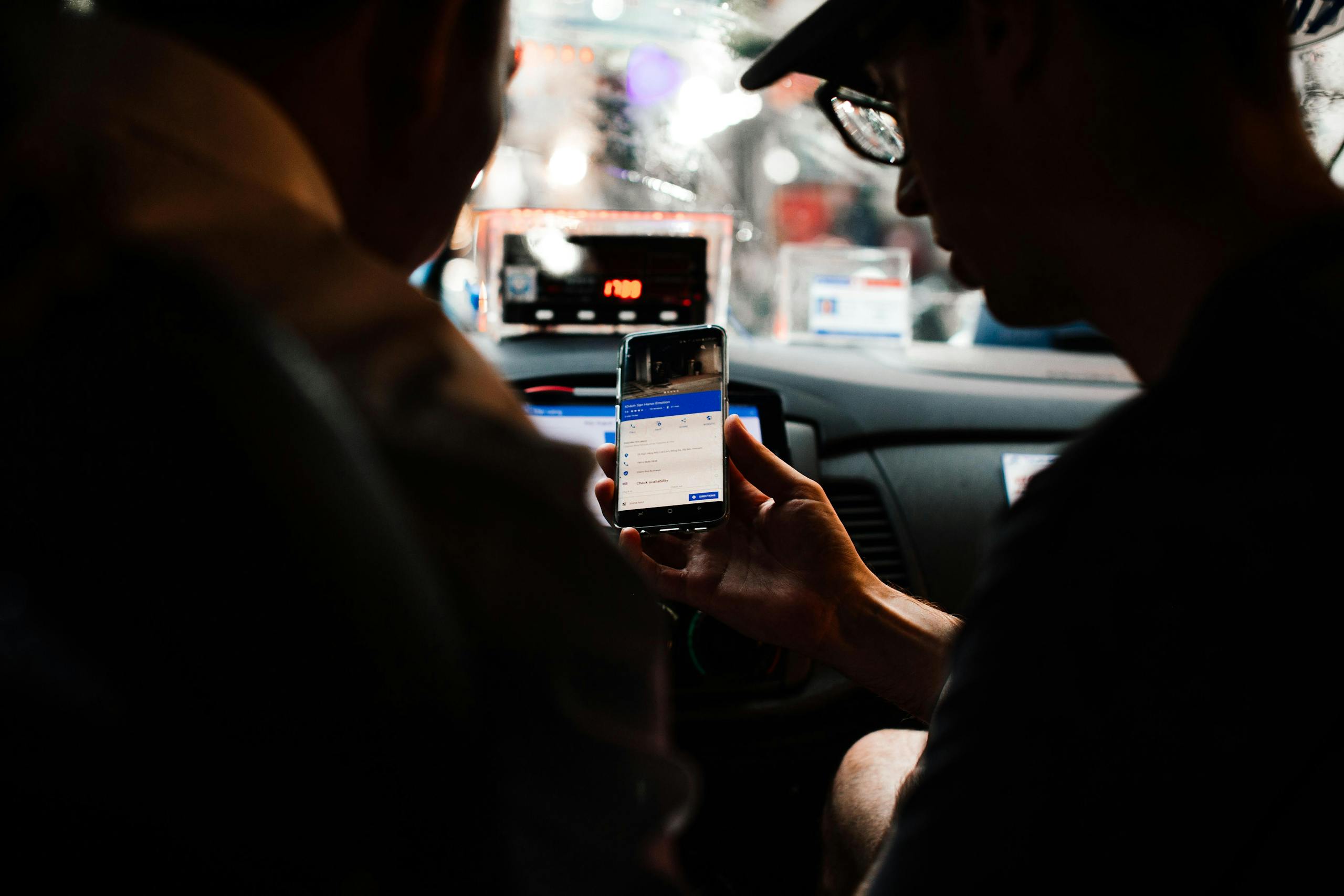
A small route adjustment is one thing. A passenger suddenly adding three stops, changing cities, or asking the driver to “just swing by” somewhere else is another. Drivers plan their time around trips, distance, traffic, and where the ride ends.
When riders treat the route like a rough suggestion, they create stress. The driver may have another plan, a fuel concern, or a personal limit on how far they want to go. Properly updating the trip through the app is fair. Springing surprise errands on the driver is not.
The passenger who turns the ride into a personal drama
An Uber can become uncomfortable when a passenger overshares, argues on speakerphone, fights with a partner, cries loudly, or pulls the driver into a private conflict. Drivers hear a lot, but that does not mean they signed up to referee someone’s life.
Everyone has bad days. Still, there is a difference between being human and making a stranger’s ride emotionally exhausting. A driver can offer quiet kindness, but they should not be forced into someone’s argument, breakup, rant, or family crisis.
The passenger who refuses to leave a normal ride normally
The end of a ride should be simple. The car stops, the passenger checks their things, says thanks, and gets out. Some riders make this weird. They linger, argue about the drop-off point, ask for extra favors, demand cash deals, or refuse to leave until they finish a conversation.
That final minute can turn a decent ride sour. Drivers need to move on to the next trip, and passengers need to respect that the ride has ended. A clean exit matters. It leaves the driver with peace, rather than another story they will tell other drivers later.
The passenger who gets too drunk to function
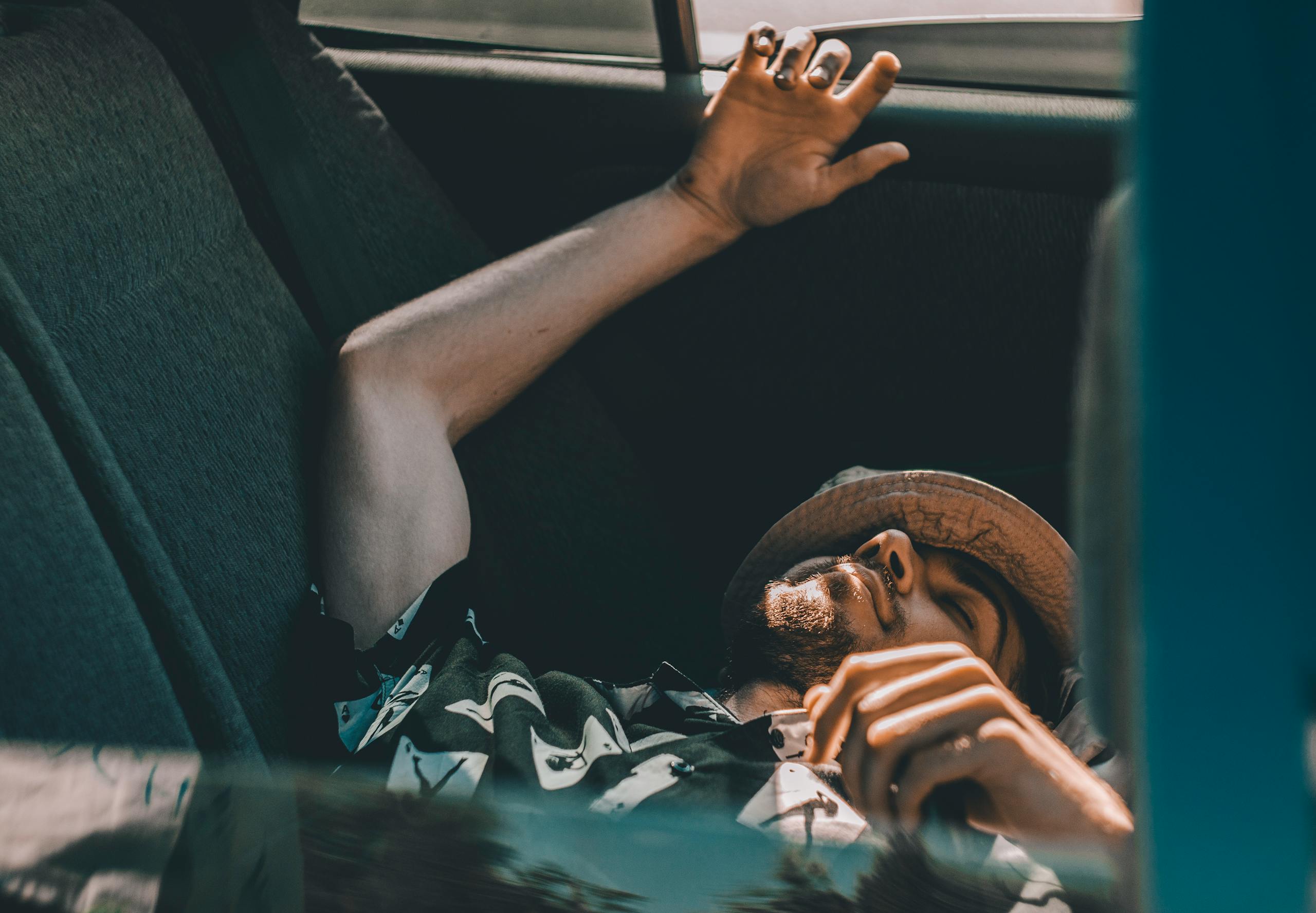
Late-night rides can get messy fast. Some passengers stumble into the car, slur their words, forget the destination, argue with friends, or look one speed bump away from disaster. The driver then becomes a transportation, babysitter, and crisis manager all at once.
A safe ride home is important, but drivers should not have to handle chaos alone. If someone is too drunk to speak clearly, sit upright, or behave safely, they should not be traveling alone. A ride home should not become a cleanup job with wheels.
Conclusion
Most Uber passengers are not a problem. They are regular people trying to get to work, home, the airport, dinner, or a night out without drama. The issue is the small group of riders who forget that convenience does not cancel courtesy.
A good passenger does not need to be perfect. They just need to be ready, respectful, clean, safe, and aware that the driver is working. The harsh truth is simple: a bad passenger can turn a short ride into a long memory. The best riders make the trip easy enough that nobody has to think about it again.