When Did We Start Decorating Cakes? The Sweet History Behind a Centuries-Old Tradition
Today, beautifully decorated cakes are a centerpiece of birthdays, weddings, holidays, and major celebrations worldwide. From elaborate wedding cakes covered in delicate sugar flowers to colorful birthday cakes shaped like cartoon characters, cake decorating has become an art form that combines baking, design, and creativity.
But decorating cakes is not a modern invention. The tradition stretches back centuries, evolving from simple displays of wealth and celebration into the highly creative craft we know today.
The story of cake decorating reveals how food has always been about more than survival. Across different cultures and time periods, people have used sweet creations to mark important occasions, display status and express artistic ideas.
When Sweet Foods Became Symbols of Celebration
The roots of decorated cakes trace back to ancient civilizations, though early versions looked very different from modern cakes.
Ancient Egyptians were among the first cultures known to create sweet baked goods for special occasions. They used honey, fruits, and nuts to enhance bread-like creations often prepared for religious ceremonies and celebrations. While these early treats were not decorated with the detailed icing seen today, they represented an early connection between baked goods and important events.
Ancient Greeks and Romans also created special sweet breads and cakes. In ancient Greece, people often offered cakes to the gods during religious rituals. Romans developed more advanced baking techniques and introduced new ingredients that helped create richer and more varied desserts.
These early cakes were less about decoration and more about symbolism. Shape, ingredients, and presentation could represent wealth, celebration, or religious meaning.
The Beginning of Decorative Baking
During the Middle Ages in Europe, cakes and sweet pastries became increasingly associated with wealth and special occasions.
Sugar was expensive and difficult to obtain, making sweet desserts a luxury reserved mainly for wealthy families and royal courts. Bakers began experimenting with ways to make these creations more visually impressive.
One early form of cake decoration involved using nuts, fruits, and spices as toppings. Elaborate food displays became common at royal banquets, where presentation was almost as important as taste.
Marzipan, a sweet mixture made from almonds and sugar, became especially popular in Europe during this period. Bakers and confectioners used it to create decorative shapes and figures, laying the groundwork for later cake-decorating techniques.
The Rise of Icing and Frosting
Modern cake decorating began to take shape between the 16th and 18th centuries as sugar became more widely available and baking techniques improved.
One major development was the use of icing. Early icings were often made from sugar and egg whites and were applied to cakes to create a smooth, decorative surface.
In the 17th century, European bakers began creating more refined desserts for aristocratic households. Cakes became taller, more detailed, and increasingly designed to impress guests.
Royal celebrations helped popularize decorative cakes. Large, elaborate desserts became symbols of elegance and sophistication at weddings and important events.
The Victorian Era Transformed Cake Decorating
The Victorian period in the 19th century was a turning point in the history of decorated cakes.
Advances in sugar production made sweet ingredients more affordable, allowing more people to enjoy decorated desserts. At the same time, improvements in baking equipment and cookbooks helped spread decorating techniques beyond professional kitchens.
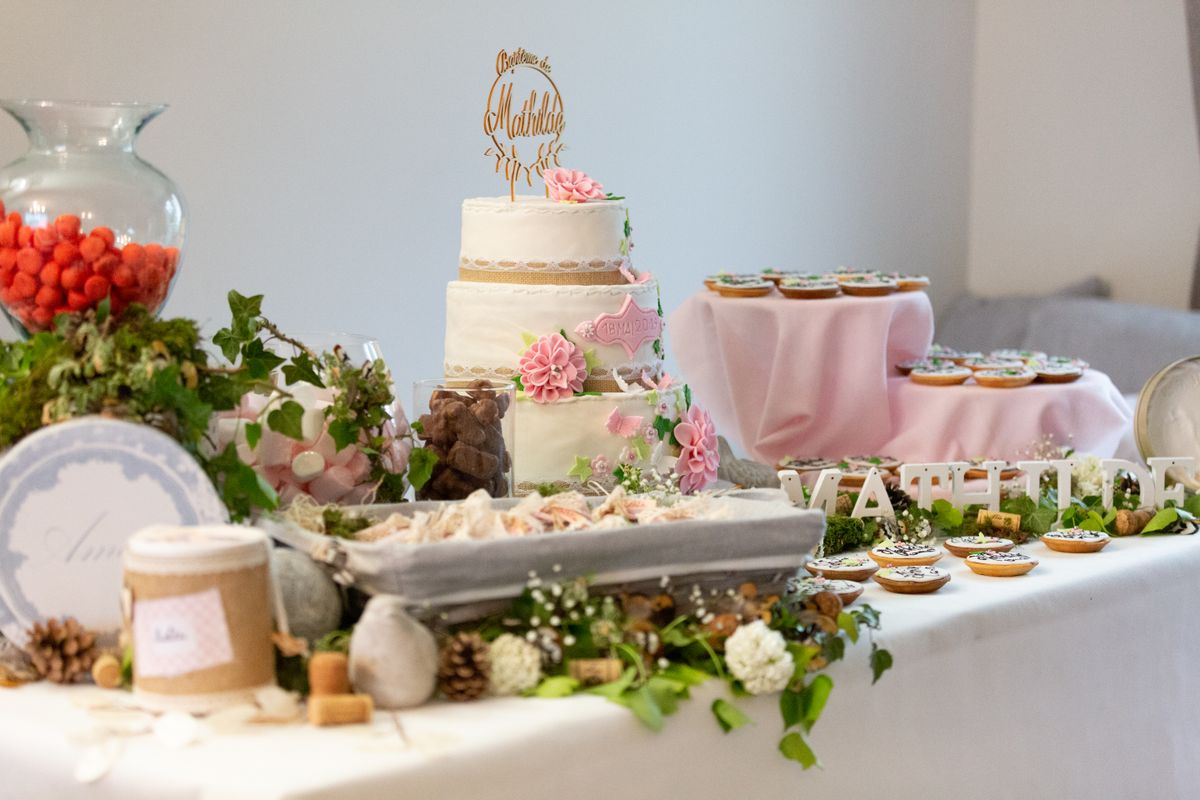
Queen Victoria’s 1840 wedding cake became one of the most famous examples of elaborate cake decoration. The large white cake featured intricate designs and helped establish the tradition of white wedding cakes as symbols of purity and celebration.
During this era, bakers developed more sophisticated methods for creating decorative details, including piping techniques, sugar flowers, and ornamental designs.
Cake decorating gradually shifted from a luxury practice among the wealthy into a skill that home bakers could learn.
Cake Decorating Becomes a Popular Hobby
The 20th century brought major changes to cake decorating. The growth of home baking, improved kitchen appliances, and the availability of decorating tools made the craft accessible to more people.
Companies began producing ready-made frosting, cake mixes, and decorating supplies, allowing families to create decorated cakes at home with less effort.
Birthday cakes became especially important during this period. As children’s birthday celebrations grew in popularity, cakes transformed into personalized expressions of interests and personalities.
Instead of simple round cakes, bakers began creating cakes shaped like animals, vehicles, cartoon characters, and other imaginative designs.
Television and magazines also helped spread cake decorating trends. Professional bakers demonstrated techniques that inspired home decorators worldwide.
Modern Cake Decorating
Today, cake decorating has become a global creative industry. Professional cake artists create detailed designs that can take days or even weeks to complete.
Modern techniques include fondant sculpting, edible printing, airbrushing, and advanced sugar artistry. Some decorated cakes are so detailed that they resemble sculptures rather than traditional desserts.
Social media has played a major role in transforming cake decorating culture. Platforms where people share photos and videos have allowed bakers to showcase their creations, exchange ideas, and inspire new trends.
Popular modern styles include minimalist cakes with simple designs, realistic sculpted cakes, floral wedding cakes, and highly customized celebration cakes.
Why Do We Decorate Cakes?
While decorated cakes are often associated with beauty and celebration, experts say they matter for more than that.
A decorated cake can represent care, creativity, and personal connection. Making or choosing a special cake for someone is often a way to show appreciation and mark a meaningful moment.
Throughout history, cakes have been connected to milestones such as weddings, birthdays, religious ceremonies, and achievements. Decoration adds a visual element that makes these occasions feel more memorable.
The tradition also reflects human creativity. Just as people decorate homes, clothing, and art, decorating food lets them transform everyday ingredients into something special.
From Ancient Treats to Modern Masterpieces
The history of cake decorating is a story of innovation, culture, and celebration. What began as simple sweet offerings in ancient civilizations has developed into a sophisticated art form enjoyed around the world.
Although the tools and techniques have changed dramatically, the purpose remains remarkably similar: creating something beautiful to share during important moments.
Whether it is a simple homemade birthday cake topped with candles or a professionally crafted wedding masterpiece, decorated cakes continue to bring people together.
So, when did we start decorating cakes? The answer reaches back thousands of years, with each generation adding new ideas and techniques. The decorated cakes we enjoy today are the result of centuries of creativity, tradition, and a universal desire to make celebrations sweeter.