Eight Grocery Store Foods That Experts Say to Think Twice About
Walking through a grocery store can feel simple: grab what looks fresh, healthy, and convenient, then move on.
But some foods deserve a closer look before they land in your cart.
That does not mean these foods are automatically bad or unsafe. Many are perfectly fine when handled, stored, and prepared correctly. The real issue is that some products carry higher risks of foodborne illness, while others may not be as healthy as their packaging suggests.
Food safety experts often advise shoppers to slow down, read labels, check storage conditions, and understand who may be more vulnerable, such as pregnant women, young children, older adults, and people with weakened immune systems.
Here are eight grocery store foods to consider before buying.
Raw Sprouts
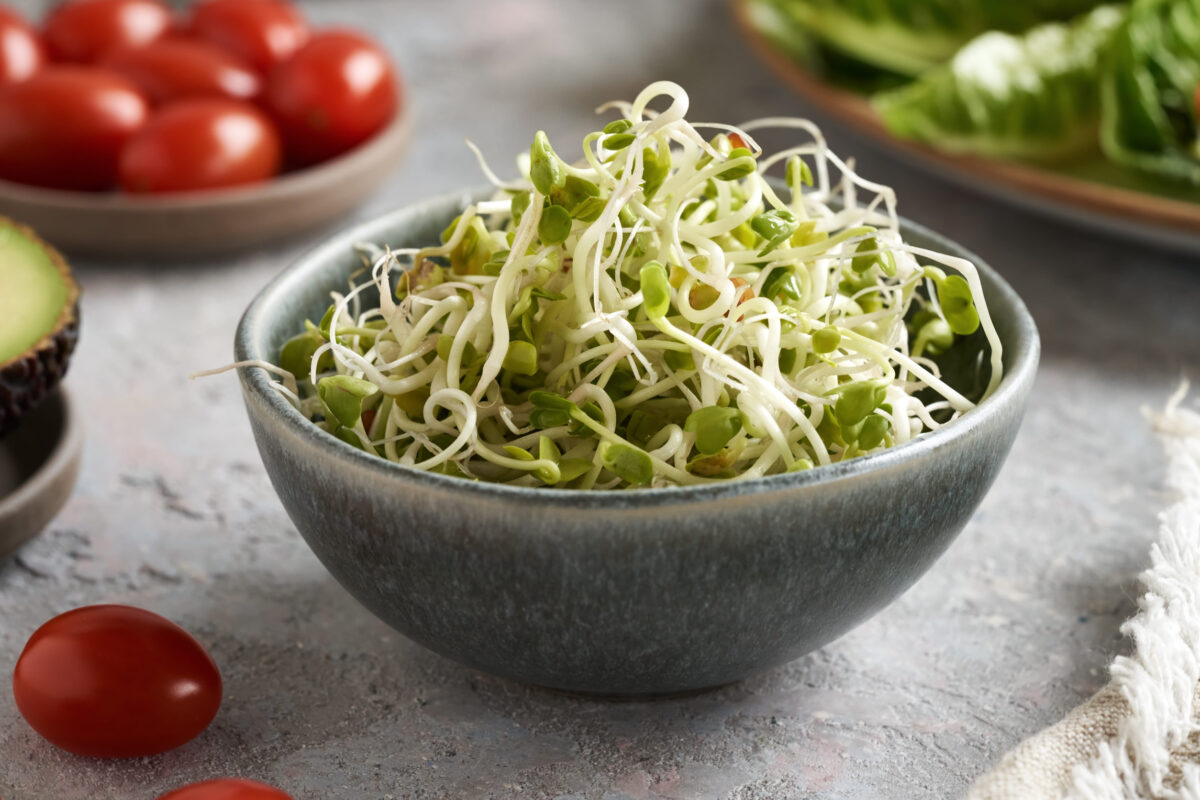
Sprouts may look like a healthy addition to sandwiches and salads, but food safety experts regularly warn about them.
The problem comes from how sprouts are grown. Seeds are usually kept in warm, humid conditions that help them grow, but those same conditions can also allow harmful bacteria like Salmonella and E. coli to multiply.
Another challenge is that bacteria can enter inside the seed itself, meaning washing the sprouts may not remove the risk completely.
People who are pregnant, elderly, very young, or have weakened immune systems face greater risks from contaminated sprouts.
You do not necessarily have to avoid sprouts forever. Cooking them thoroughly can reduce the risk. But if you are eating them raw, it is worth knowing what you are choosing.
Unpasteurized Juice and Cider
Fresh juice often sounds healthier because it feels natural and less processed. But “fresh” does not always mean safer.
Unpasteurized juices and ciders have not been heated to kill harmful bacteria. This means they can sometimes contain germs that cause illness.
The risk applies to products like fresh apple cider, freshly squeezed juices, and some refrigerated juices sold at farms, markets, and health stores.
This is especially important for children, older adults, pregnant people, and anyone with a weakened immune system.
A safer option is choosing pasteurized juice or cider. If you buy unpasteurized products, proper handling and preparation become even more important.
Deli Meat and Prepared Deli Salads
Deli counters are convenient. A quick sandwich with sliced turkey or a ready-made chicken salad can save time during a busy week.
However, deli meats and prepared salads require extra care because certain bacteria can grow even in refrigerated conditions.
One concern is Listeria, a bacterium that can be especially dangerous for pregnant people, older adults, and those with weakened immune systems.
Experts recommend that higher-risk individuals take extra precautions with deli meats, including reheating them until steaming hot.
Prepared salads such as chicken salad, tuna salad, and egg salad also need careful storage. Check dates, keep them cold, and don’t leave them out for long.
Raw Cookie Dough and Refrigerated Batter
Eating cookie dough straight from the package is a classic temptation. But regular cookie dough and cake batter are designed to be baked, not eaten raw.
Many people think the only concern is raw eggs. However, uncooked flour can also carry harmful bacteria.
Flour may look harmless because it is dry, but it is still a raw agricultural product that has not been treated as a ready-to-eat food.
If you enjoy edible cookie dough, look for products specifically labeled as safe to eat raw. These products are made differently, often using treated flour and safer ingredients.
Bagged Salad and Pre-Cut Produce
Pre-cut fruits, vegetables, and bagged salads are some of the biggest time-savers in modern grocery shopping.
The downside is that cutting produce creates more surfaces where bacteria can spread.
Foods like leafy greens, sliced fruit, and prepared salad kits need careful handling. Shoppers should check that packages are properly sealed, refrigerated, and within their use-by dates.
Avoid bags with slimy leaves, excess liquid, or damaged produce.
Convenience is helpful, but it does not replace safe food handling. Refrigerate these products quickly after shopping and wash your hands and utensils before preparing meals.
Raw Milk and Certain Soft Cheeses
Raw milk has gained popularity among some consumers who believe it is a more natural choice. However, health authorities continue to warn that unpasteurized milk can contain harmful bacteria.
Pasteurization reduces the risk of bacteria such as Salmonella, E. coli, Campylobacter, and Listeria.
The same concern can apply to foods made with raw milk, including some cheeses, yogurt, and ice cream.
Soft cheeses are not automatically unsafe, but shoppers should check labels carefully and look for products made with pasteurized milk.
Frozen Breaded Chicken Products
Frozen chicken nuggets, strips, and stuffed chicken products can be confusing because they often look fully cooked.
A golden-brown coating can make a product appear ready to eat, but some frozen chicken items are actually raw or only partially cooked.
The safest approach is to read the package carefully. Words like “raw,” “uncooked,” or “cook thoroughly” mean the product needs to be fully cooked before eating.
Follow cooking instructions and use a thermometer when possible. Chicken should reach a safe internal temperature before serving.
Sugary Breakfast Cereals and Snack Bars
Not every food that deserves a second look is dangerous. Some aren’t as healthy as their packaging makes them seem.
Many cereals and snack bars use words like “natural,” “whole grain,” or “made with real fruit” to attract shoppers.
Those claims do not tell the whole story.
The nutrition label reveals more. Check added sugars, sodium, serving sizes, and calories.
A snack bar may contain some protein or fiber but still function more like a candy bar. A cereal that looks healthy may contain more sugar than expected if the serving size is small.
These foods can still fit into a balanced diet. The key is to choose wisely.
Shop Smarter, Not Fearfully
The goal is not to panic every time you enter a grocery store. You can enjoy most foods when you buy, store, and prepare them correctly.
The smarter approach is simple: read labels, check dates, keep cold foods cold, separate raw meats from other groceries, and understand which foods require extra care.
The best question is not “Is this food good or bad?”
Instead ask: “What do I need to know before I buy, prepare, or serve it?”
That small pause can help you make safer choices while still enjoying the foods you love.